
Ventral & Incisional Hernia Repair in Ahmedabad
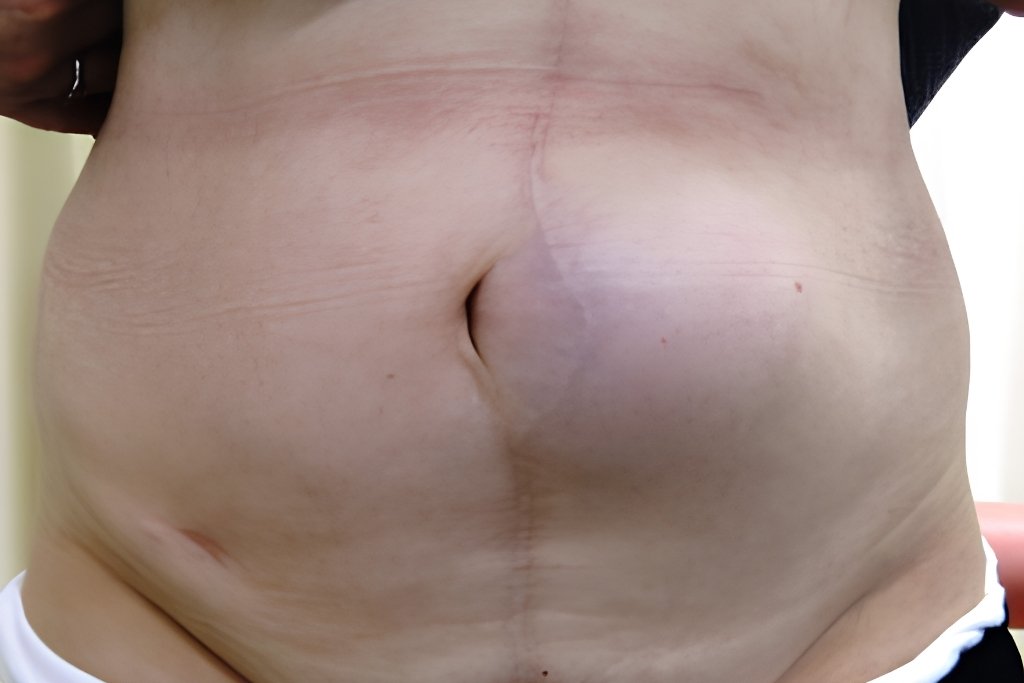
What Is Incisional Hernia Surgery?
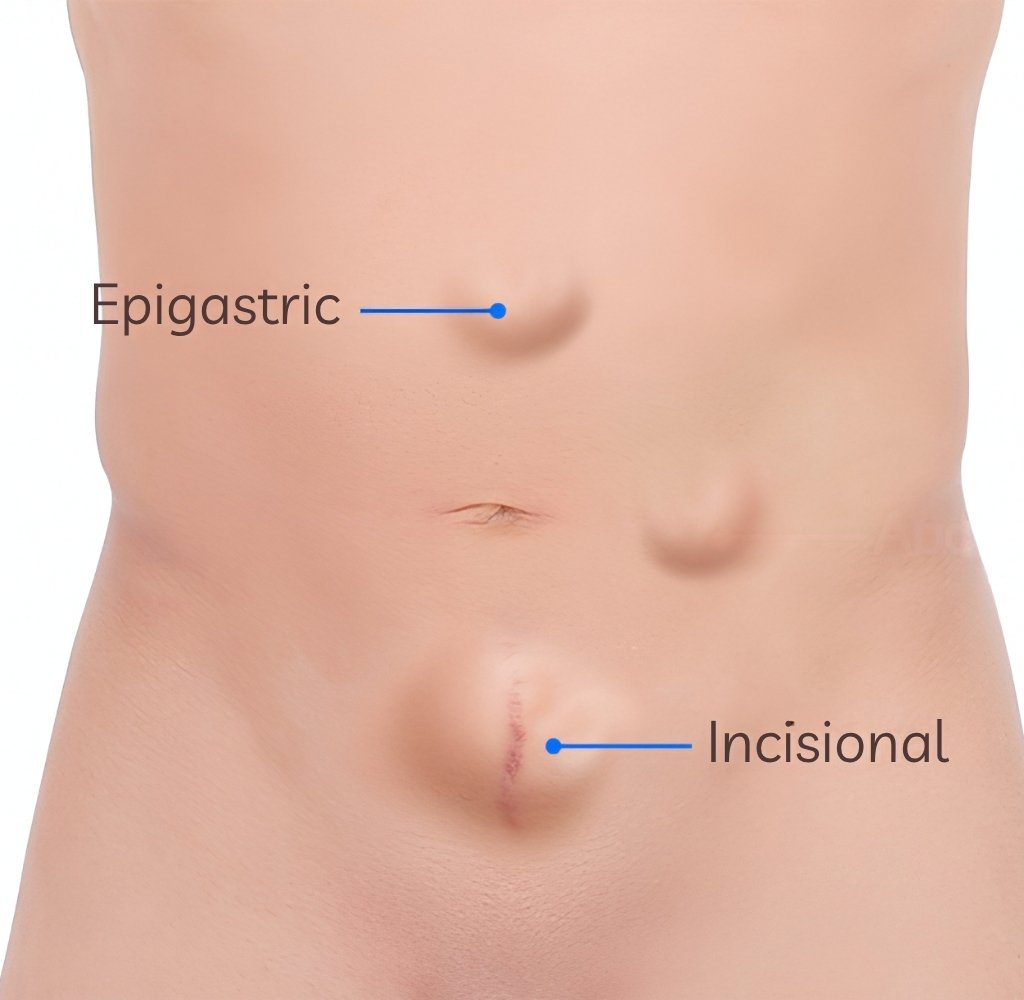
Incisional Hernia Surgery is performed to repair a weakness that develops in the abdominal wall at or near the site of a previous surgical incision. An incisional hernia can cause a visible bulge, discomfort or pain, particularly while coughing, lifting or standing. Ventral hernias are a broader group of abdominal wall hernias that can occur through weakened areas of the front abdominal wall.
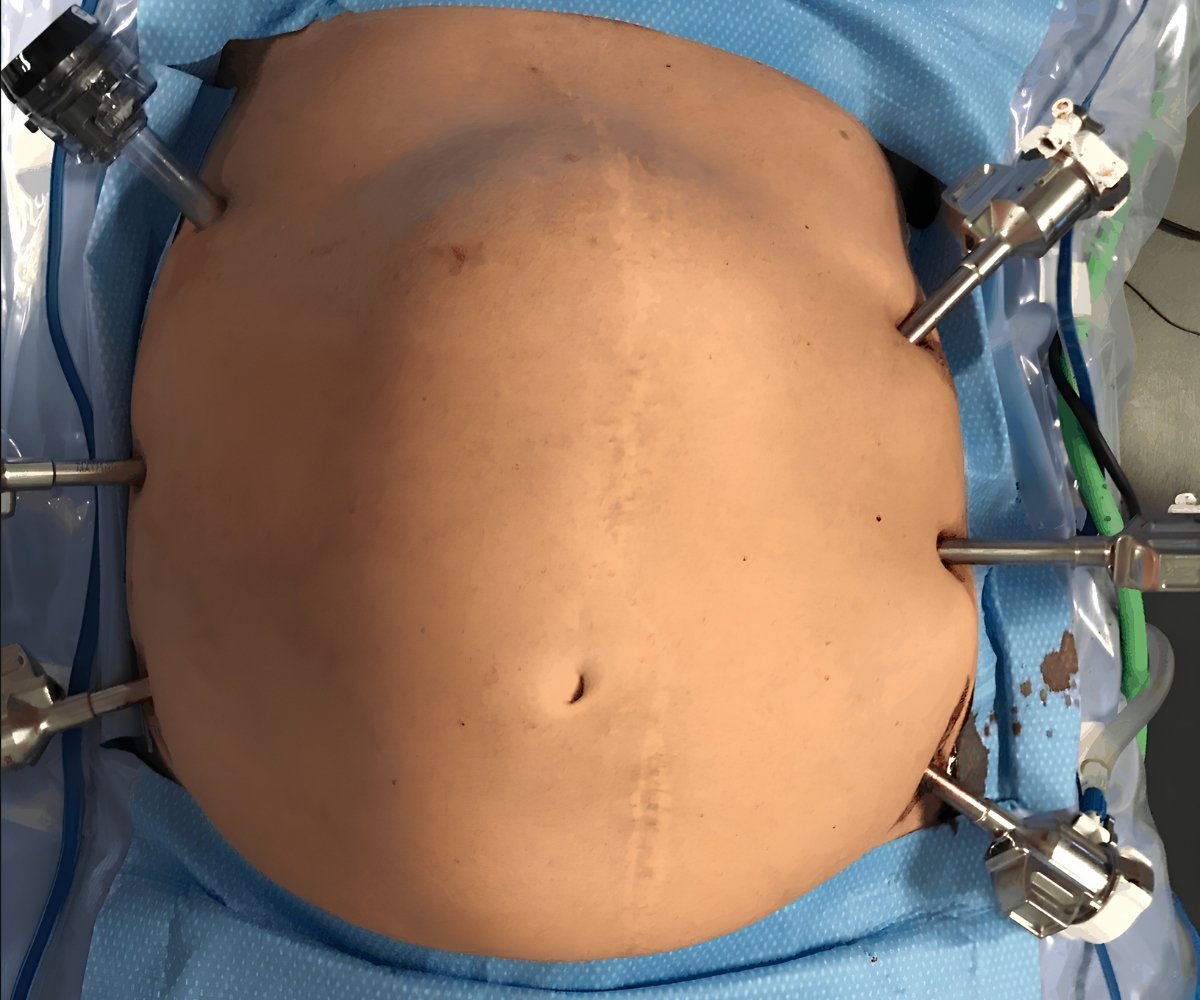
Depending on the location and size of the defect, repair may be performed using an open, laparoscopic or advanced abdominal wall technique. During laparoscopic Incisional Hernia Surgery, small incisions are used to introduce a camera and specialised instruments. The hernia contents are reduced, the abdominal wall defect is assessed and mesh may be placed in an appropriate anatomical plane to reinforce the weakened area.
What Causes Incisional Hernia Surgery?
An incisional hernia develops because the abdominal wall may remain structurally weak after a previous operation. The risk can be influenced by several factors related to the original surgery, healing process and abdominal wall.
01. Previous Abdominal Surgery
A surgical incision can create a potential area of weakness in the abdominal wall.
02. Incomplete Tissue Healing
Reduced strength during the healing process can contribute to later separation of the abdominal wall.
03. Excess Body Weight
Increased abdominal pressure can contribute to the development or enlargement of a hernia.
04. Wound Infection
Infection around a previous surgical wound can affect normal tissue healing.
05. Increased Abdominal Pressure
Persistent coughing, constipation, heavy lifting or straining can place additional pressure on a weakened area.
06. Recurrent Hernia
A hernia can return after an earlier repair, particularly when the abdominal wall remains weak.
Not every patient with these factors develops an incisional hernia. The timing, size and location of the defect are assessed through physical examination and, when needed, imaging such as ultrasound or CT.
How Is Ventral & Incisional Hernia Repair Performed?
The method used for Ventral & Incisional Hernia Repair depends on the size and location of the defect, previous operations, existing mesh and the condition of the abdominal wall. For a laparoscopic repair, the procedure is performed under general anaesthesia through small abdominal incisions. A camera is introduced to examine the abdominal wall and identify the hernia defect, while specialised instruments are used to carefully separate the hernia from surrounding tissues and return the protruding contents to their appropriate position. The defect may be closed with sutures when appropriate, followed by placement of surgical mesh in a suitable anatomical plane to reinforce the weakened abdominal wall. In larger or more complex defects, an advanced abdominal wall reconstruction technique such as eTEP may be considered. The operative area is checked before the instruments are removed and the incisions are closed. The duration of surgery varies according to the size and complexity of the hernia and whether previous mesh or scar tissue is present.
Benefits of Ventral & Incisional Hernia Repair
The appropriate repair depends on the size, location and complexity of the defect rather than on one technique being suitable for every patient. The aim of hernia repair is to restore the strength and structure of the abdominal wall while addressing the hernia defect. Depending on the surgical approach and individual anatomy, repair may offer several advantages:
01. Defect Reinforcement
Mesh can strengthen the weakened abdominal wall where required.
02. Small incisions
Laparoscopic approaches use smaller access points than conventional open surgery.
03. Abdominal Wall Reconstruction
Selected complex defects can be repaired by restoring the appropriate tissue planes.
04. Reduced Hernia Bulge
Repair addresses the abdominal wall opening responsible for the visible swelling.
Ventral Hernia Surgery Recovery Time
Recovery after Ventral & Incisional Hernia Repair depends on the size of the hernia, the repair technique and whether abdominal wall reconstruction is required.
First 24 Hours
Pain control, wound monitoring and early movement begin after surgery. Walking is encouraged as tolerated.
First Few Days
Basic movement and daily activities are gradually increased. Some abdominal tightness or discomfort is expected during the early healing period.
First Week
Light activities can usually be increased, while heavy lifting and strenuous movements remain restricted.
Following Weeks
The abdominal wall continues to strengthen as healing progresses. Activity is increased gradually according to the extent of the repair.
Returning to Exercise
Walking is generally encouraged early. Gym workouts, core exercises and heavy lifting should be resumed only after appropriate medical advice.
Follow-Up
Follow-up appointments help assess wound healing, abdominal wall recovery and any swelling or discomfort before activity restrictions are changed.
FAQs About Incisional Hernia Surgery
How do I know if I have an incisional hernia?
A bulge or swelling near a previous abdominal surgical scar may indicate an incisional hernia. It can become more noticeable while standing, coughing or straining. A clinical examination can help confirm the diagnosis.
Can an incisional hernia return after surgery?
Recurrence is possible after any hernia repair. The risk can be influenced by factors such as the size of the defect, previous repairs, tissue quality and postoperative healing.
How long should I avoid heavy lifting after hernia surgery?
Heavy lifting is usually restricted during the early healing period, but the exact timeline depends on the repair and individual recovery.
Can an incisional hernia be repaired laparoscopically?
Yes, selected incisional hernias can be repaired laparoscopically. The appropriate approach depends on the size and location of the defect, previous surgery, existing mesh and abdominal wall anatomy.
Is mesh required for incisional hernia repair?
Mesh is commonly used to reinforce the abdominal wall, particularly for larger defects. Its need, size and position depend on the individual repair.
Can an old surgical scar cause a hernia years later?
Yes. An incisional hernia can develop months or even years after abdominal surgery because the previous incision may remain a weaker area of the abdominal wall.
Planning Incisional Hernia Surgery in Ahmedabad
Book a consultation with Dr. Krunal K. Solanki at Sunshine Surgical Hospital, Ahmedabad, for an evaluation of your ventral or incisional hernia and discussion of the available surgical options.