
Abdominal Wall Reconstruction Surgery in Ahmedabad
What Is Abdominal Wall Reconstruction?
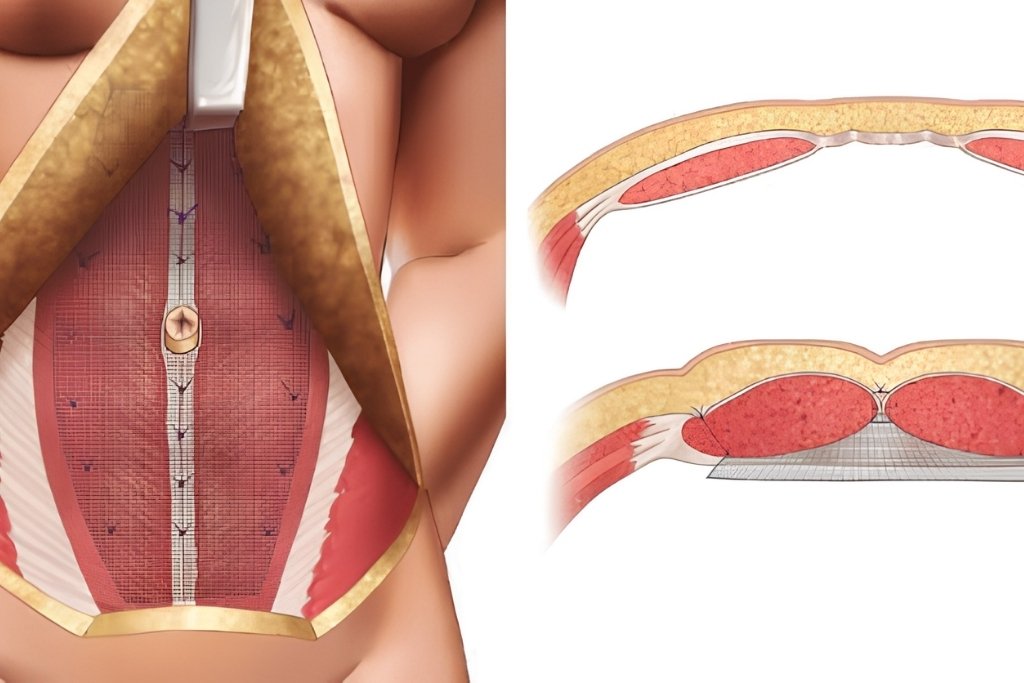
Abdominal Wall Reconstruction is a surgical approach used to restore the structure and strength of the abdominal wall when there is a significant defect, weakness or loss of normal abdominal wall anatomy. It may be required for large ventral or incisional hernias, recurrent hernias or complex defects following previous abdominal surgery.
Unlike a straightforward hernia repair, reconstruction may involve carefully restoring the abdominal wall layers, closing the defect and placing mesh within an appropriate anatomical plane to provide reinforcement. Depending on the condition, the procedure can be performed using open, laparoscopic or advanced minimally invasive techniques such as eTEP.
The choice of technique depends on the size and location of the defect, previous operations, existing mesh, tissue quality and the amount of abdominal wall reconstruction required.
When Is Abdominal Wall Reconstruction Needed?
Abdominal Wall Reconstruction Surgery may be considered when the abdominal wall defect is too extensive or complex for a simple repair. The need for reconstruction is assessed based on the condition of the abdominal wall and the patient’s previous surgical history.
01. Large Ventral Hernias
Significant defects involving a broad area of the abdominal wall
02. Recurrent Hernias
Defects that have returned after an earlier repair
03. Loss of Abdominal Wall Strength
Areas where normal abdominal wall support has been significantly weakened
04. Complex Incisional Hernias
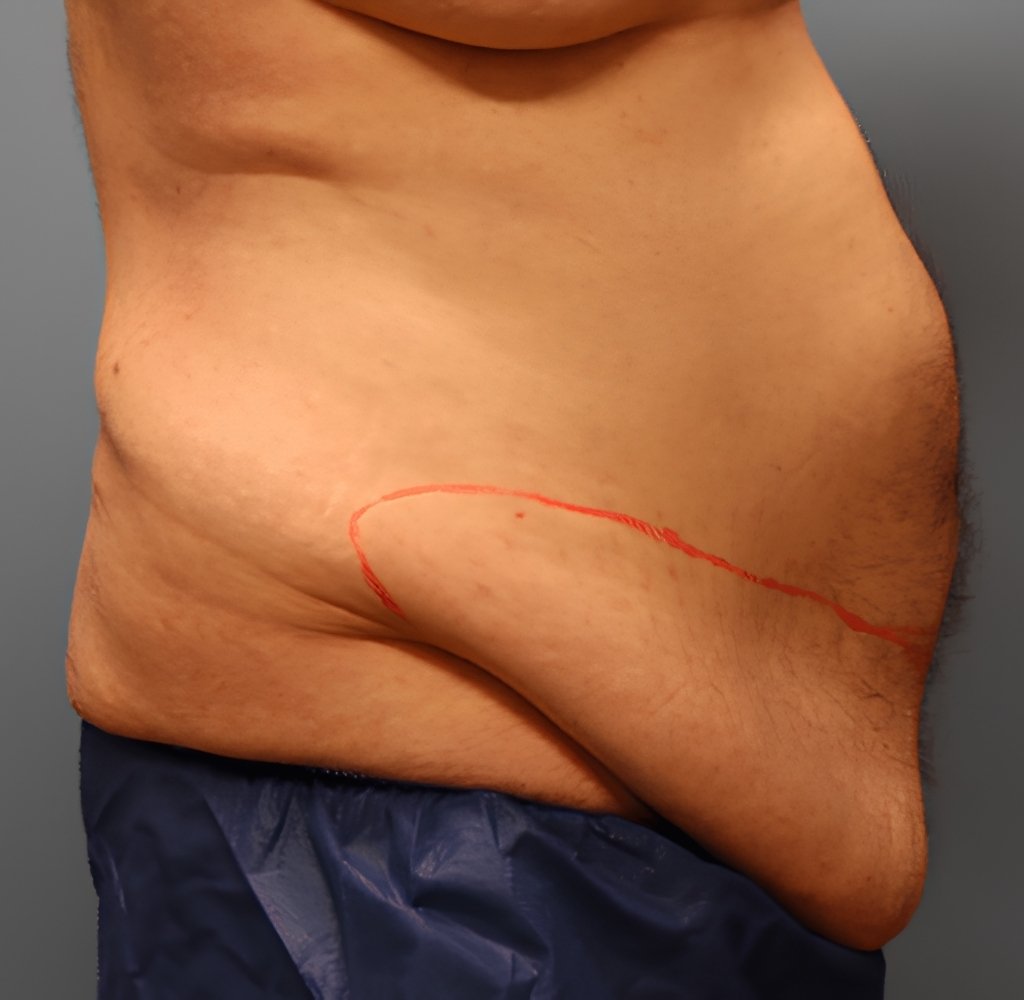
Hernias developing after previous abdominal operations
05. Previous Mesh Repair
Cases requiring assessment or revision of an earlier mesh repair
06. Complex Abdominal Defects
Hernias involving multiple areas or requiring restoration of abdominal wall anatomy
Before Abdominal Wall Reconstruction Surgery, the defect is assessed through physical examination and, when required, CT imaging. Previous operations, scar tissue, existing mesh and the condition of the abdominal muscles are considered when planning the repair.
How Is Abdominal Wall Reconstruction Performed?
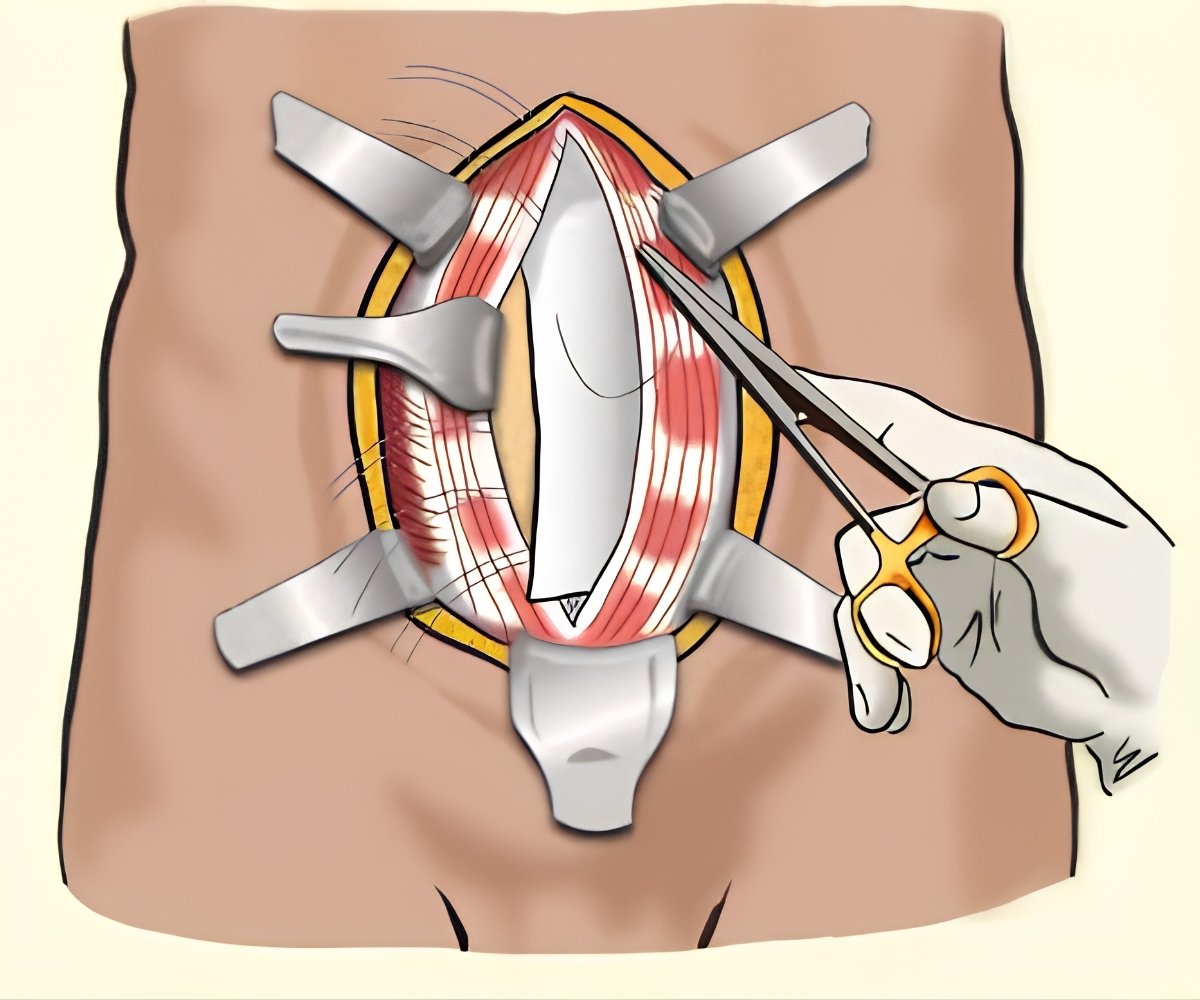
Abdominal Wall Reconstruction Surgery is performed under general anaesthesia, with the surgical approach selected according to the size and complexity of the abdominal wall defect. Through open or minimally invasive access, the surgeon first identifies the hernia and carefully separates the surrounding tissues and abdominal wall layers. The hernia contents are returned to their appropriate position, and the abdominal wall planes are developed to allow reconstruction. Where possible, the defect is brought together with controlled suturing to restore the continuity of the abdominal wall. Surgical mesh may then be placed within a suitable anatomical plane to reinforce the repair and provide additional strength. Advanced techniques such as eTEP may be used in selected cases to work within the retromuscular or extraperitoneal planes while avoiding routine entry into the abdominal cavity. The repair is checked before the surgical access points are closed. The duration and exact steps vary according to the defect, previous surgery, scar tissue and reconstruction required.
Benefits of Abdominal Wall Reconstruction Surgery
The expected outcome and recovery depend on the size of the defect, tissue condition, previous repairs and the reconstruction technique used. The purpose of reconstruction is to restore the abdominal wall rather than simply cover the hernia defect. Depending on the individual condition and surgical approach, it may provide several advantages:
01. Restored Abdominal Wall
Reconstructs the weakened area and aims to restore normal abdominal wall continuity.
02. Defect Closure
Where appropriate, the hernia opening can be brought together rather than leaving a gap.
03. Mesh Reinforcement
Mesh can provide additional support to the reconstructed abdominal wall.
04. Anatomical Repair
Surgical planes and muscle layers can be addressed according to the individual defect.
Abdominal Wall Reconstruction Surgery Recovery Time
Recovery after Abdominal Wall Reconstruction Surgery is generally longer than after a straightforward small hernia repair because the abdominal wall may require more extensive reconstruction. The exact timeline varies between patients.
First 24 Hours
Pain control, wound monitoring and early movement begin after surgery. Walking is encouraged according to the patient's condition.
First Few Days
Movement is gradually increased, while abdominal discomfort and tightness may be present as the reconstructed tissues begin to heal.
First Week
Light daily activities can be increased gradually. Heavy lifting and strenuous abdominal movements remain restricted.
Following Weeks
The abdominal wall continues to heal and strengthen. Activity is progressively increased according to the extent of reconstruction.
Returning to Exercise
Walking is generally introduced early, while core exercises, gym activity and heavy lifting require a longer healing period and medical clearance.
Follow-Up
Regular follow-up helps assess the surgical site, abdominal wall healing and progression of activity restrictions.
FAQs About Abdominal Wall Reconstruction Surgery
When is abdominal wall reconstruction different from a regular hernia repair?
A straightforward hernia repair may address a smaller, well-defined defect. Reconstruction is generally considered when the abdominal wall has a larger or more complex weakness requiring restoration of its structure and reinforcement.
Can reconstruction be performed after previous hernia surgery?
Yes, selected recurrent or complex hernias can undergo reconstruction. Previous mesh, scar tissue and the condition of the abdominal wall are important parts of surgical planning.
How long does recovery take after abdominal wall reconstruction?
Recovery varies according to the size of the defect and extent of reconstruction. Light activity usually begins early, while strenuous exercise and heavy lifting require a longer period of healing.
Can a large abdominal wall defect be repaired without open surgery?
Some large or complex defects can be approached using advanced minimally invasive techniques, but not every hernia is suitable for this approach. The decision depends on the anatomy and reconstruction required.
Is mesh always used during abdominal wall reconstruction?
Mesh is commonly used to reinforce the reconstructed abdominal wall, but the need and placement depend on the defect, tissue condition and surgical technique.
Can abdominal wall reconstruction be performed laparoscopically?
Selected patients may undergo minimally invasive reconstruction. Techniques such as eTEP can provide access to the retromuscular or extraperitoneal planes without routinely entering the abdominal cavity.
Planning Abdominal Wall Reconstruction Surgery Around the Defect
Book a consultation with Dr. Krunal K. Solanki at Sunshine Surgical Hospital, Ahmedabad, to discuss your abdominal wall defect and the available reconstruction options.