
Laparoscopic Gallbladder Surgery in Ahmedabad
What Is Laparoscopic Gallbladder Surgery?
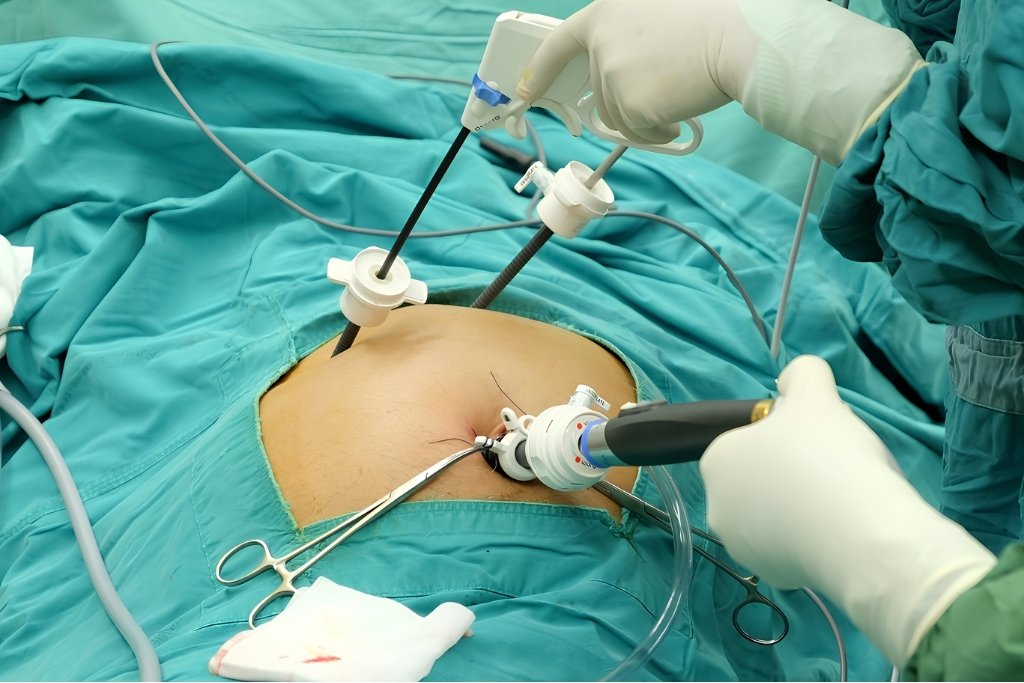
Laparoscopic Gallbladder Surgery is a minimally invasive procedure used to remove the gallbladder, most commonly when gallstones or other gallbladder problems cause repeated symptoms or complications. The procedure is also known as laparoscopic cholecystectomy.
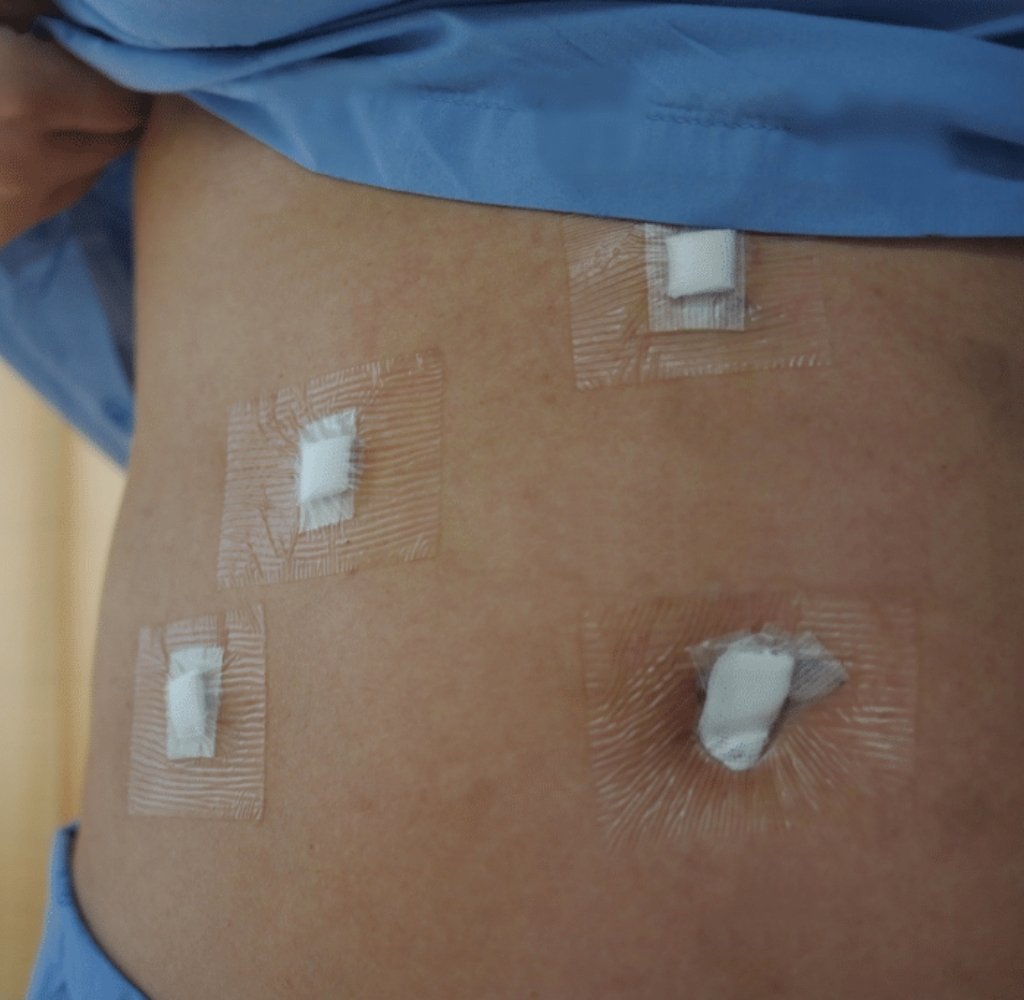
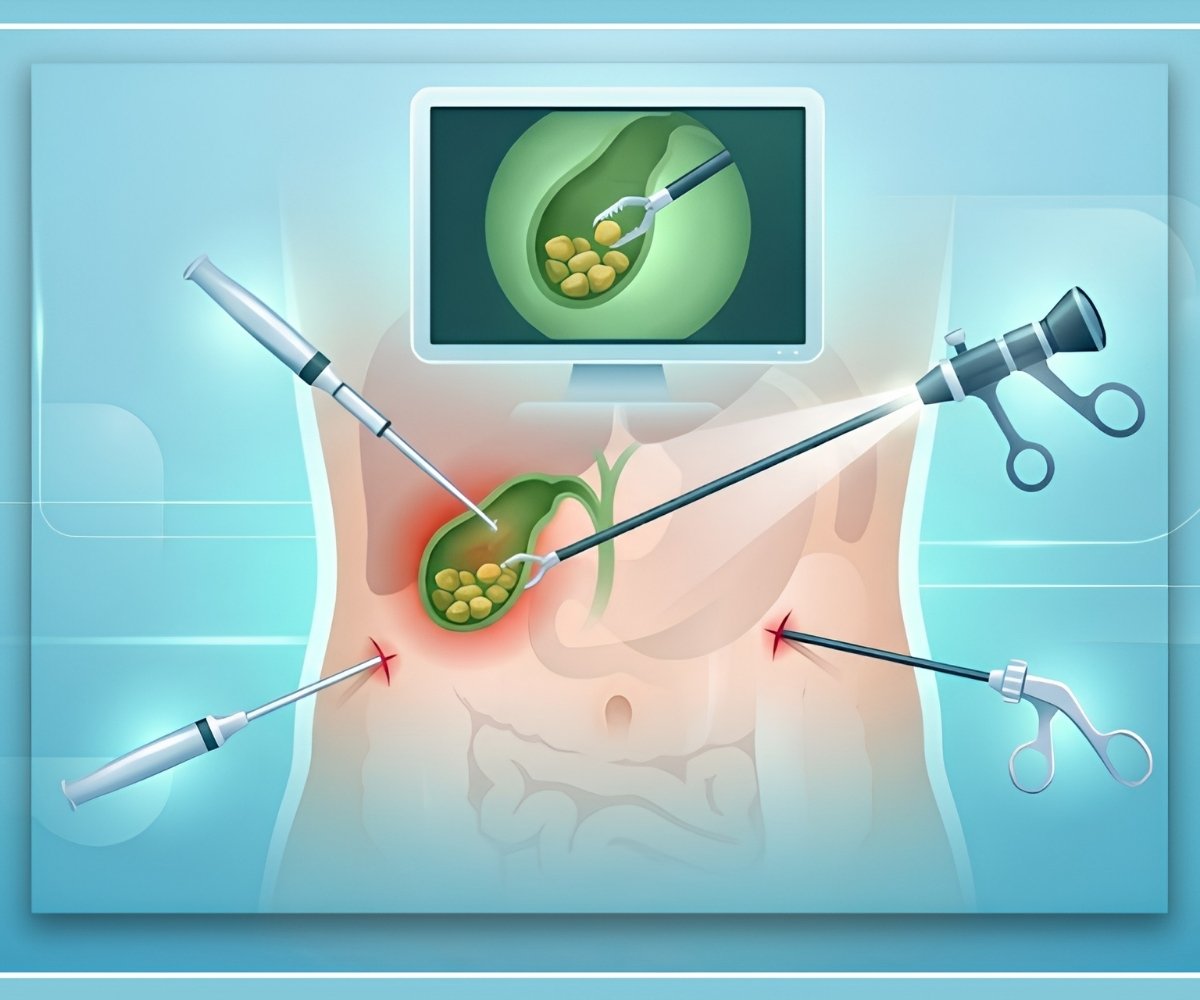
During the surgery, a small camera and specialised instruments are introduced through a few small abdominal incisions. The surgeon identifies the gallbladder and the structures connecting it to the bile duct, carefully separates the gallbladder and removes it through one of the small incisions. Unlike open surgery, the procedure does not require a large abdominal incision.
The gallbladder stores bile produced by the liver, but it is not essential for digestion. After removal, bile continues to flow directly from the liver into the intestine.
When Is Laparoscopic Gallbladder Surgery Considered?
Laparoscopic Gallbladder Surgery may be recommended when gallbladder disease causes persistent symptoms or creates a risk of further complications. The decision depends on the symptoms, imaging findings and overall clinical condition. Common situations include:
01. Symptomatic Gallstones
Repeated abdominal pain caused by gallstones
02. Acute Cholecystitis
Inflammation of the gallbladder, often associated with a blocked duct
03. Gallbladder Polyps
Selected polyps requiring surgical assessment based on their size and characteristics
04. Recurrent Hernias
Multiple episodes of gallstone-related pain or inflammation
05. Chronic Gallbladder Disease
Ongoing gallbladder problems causing recurrent symptoms
06. Biliary Complications
Gallstones or gallbladder disease associated with problems involving the bile ducts
Assessment may include an abdominal examination, ultrasound and blood tests. Additional imaging or procedures may be required when a bile duct stone or another complication is suspected.
How Is Laparoscopic Gallbladder Surgery Performed?
Laparoscopic Gallbladder Surgery is performed under general anaesthesia through small abdominal incisions. The abdomen is gently inflated to create working space, and a camera is introduced to provide a clear view of the gallbladder and surrounding structures. The surgeon identifies the cystic duct and cystic artery before carefully securing and dividing them. The gallbladder is then separated from the liver and removed through one of the small incisions. The operative area is checked for bleeding or bile leakage, and any necessary additional steps are completed before the instruments are removed. The small incisions are then closed. In some situations, severe inflammation, scarring or unexpected anatomy may make an open approach safer, and the surgical plan may be changed accordingly.
Benefits of Laparoscopic Gallbladder Surgery
The suitability of laparoscopic surgery depends on the severity of inflammation, previous abdominal surgery, anatomy and findings during the operation. Laparoscopic Gallbladder Surgery uses small abdominal access points rather than the larger incision required for traditional open gallbladder removal. Depending on the individual case, this approach may offer several practical advantages:
01. Small Incisions
Uses several small access points instead of one large abdominal incision.
02. Direct Visualisation
A camera provides a magnified view of the gallbladder and surrounding anatomy.
03. Less Abdominal Wall Disruption
Smaller access points reduce the extent of abdominal wall incision.
04. Earlier Movement
Patients can generally begin walking soon after the effects of anaesthesia settle.
Laparoscopic Gallbladder Surgery Recovery Time
Recovery after Laparoscopic Gallbladder Surgery is usually gradual, with most patients increasing their activity as discomfort settles.
First 24 Hours
Walking is encouraged once the effects of anaesthesia have reduced. Mild abdominal discomfort or shoulder-tip pain from the surgical gas may occur temporarily.
First Few Days
Basic daily activities can usually be resumed gradually. The small incision sites may remain tender during this period.
First Week
Light activities and walking can be increased according to comfort. Heavy lifting and strenuous exercise are generally avoided during the early healing phase.
Next Few Weeks
Most routine activities can be progressively resumed as the incisions heal and abdominal discomfort settles.
Returning to Exercise
Low-impact activity can usually be introduced before more strenuous exercise. The timing for gym workouts and heavy lifting depends on recovery and surgical advice.
Follow-Up
A follow-up assessment helps review wound healing, digestive symptoms and overall recovery.
FAQs About Laparoscopic Gallbladder Surgery
Can gallstones be treated without removing the gallbladder?
Some gallstones may not require treatment if they do not cause symptoms. When stones repeatedly cause pain or complications, gallbladder removal may be recommended rather than treating the stones alone.
Can laparoscopic surgery be performed during acute cholecystitis?
Laparoscopic surgery may be performed in selected patients with acute cholecystitis. The timing and approach depend on the severity of inflammation and the patient’s overall condition.
What can I eat after gallbladder removal?
Diet is usually progressed gradually after surgery. Many patients return to their usual diet, although temporary changes may be advised depending on digestive symptoms and individual recovery.
How long does Laparoscopic Gallbladder Surgery take?
The duration varies according to the gallbladder condition, inflammation, previous surgery and anatomy. Straightforward cases generally take less time than complicated or inflamed cases.
Can I live normally without a gallbladder?
Yes. The gallbladder is not essential for digestion. After removal, the liver continues to produce bile, which flows directly into the intestine.
Can gallstones come back after gallbladder removal?
Gallstones cannot form inside a gallbladder that has been removed. However, stones can occasionally be present or develop within the bile ducts, which is a different condition requiring separate assessment.
Choosing Laparoscopic Gallbladder Surgery After Proper Assessment
Book a consultation with Dr. Krunal K. Solanki at Sunshine Surgical Hospital, Ahmedabad, for an assessment of your gallbladder condition and discussion of the appropriate surgical options.