
Robotic Bariatric Surgery in Ahmedabad
What Is Robotic Bariatric Surgery?
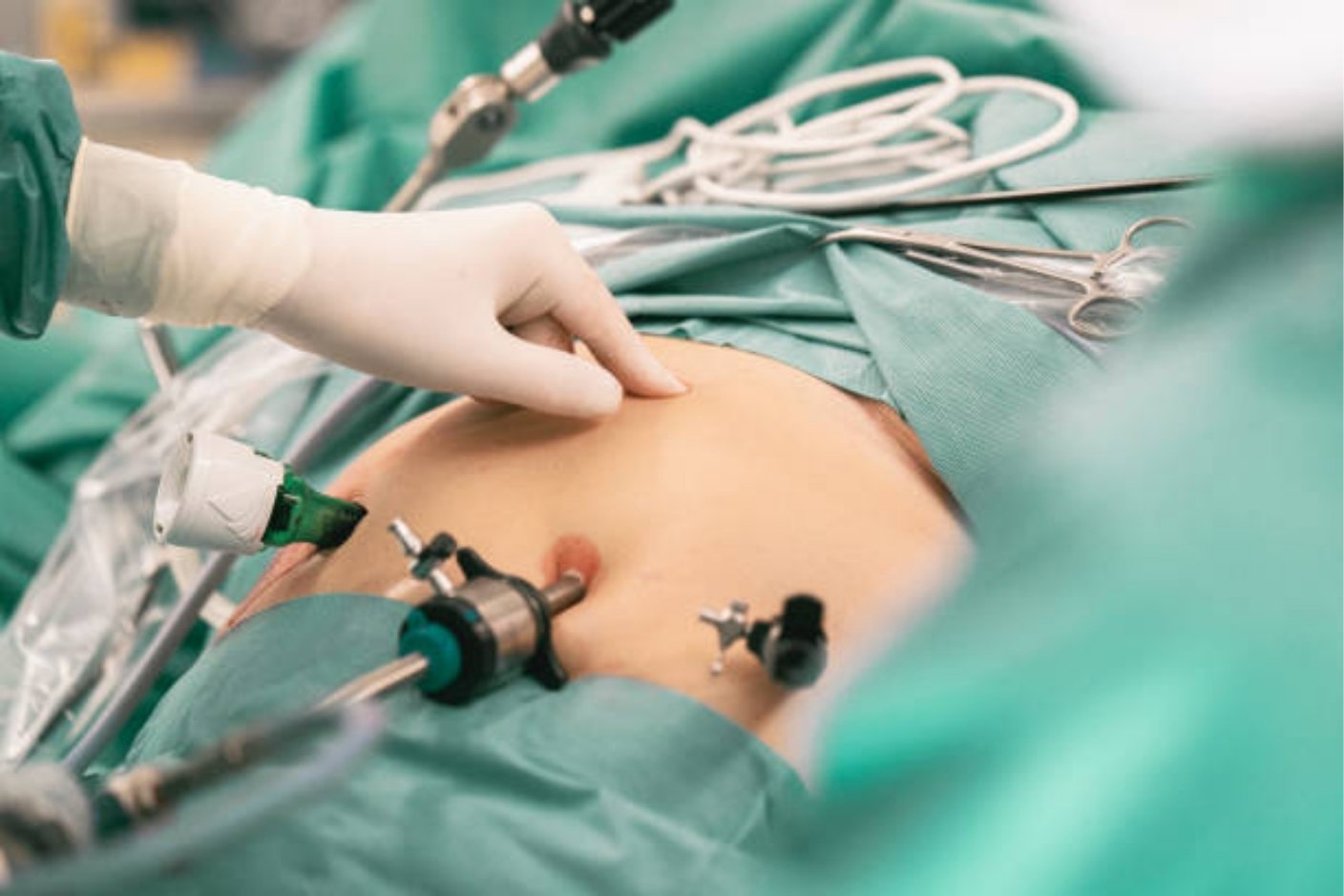
Robotic Bariatric Surgery is a minimally invasive approach used to perform selected weight-loss and metabolic procedures with the assistance of a robotic surgical system. Bariatric surgery changes the size or pathway of the digestive system to help with significant weight reduction and, in appropriate patients, improve obesity-related health conditions. Common bariatric procedures include sleeve gastrectomy and gastric bypass, although the procedure selected depends on the individual’s weight, medical conditions, eating patterns, previous abdominal surgery and long-term treatment goals. During Robotic Bariatric Surgery, the surgeon operates through small abdominal incisions using robotic instruments controlled from a console. A magnified three-dimensional camera provides visualization of the operative field, while articulated instruments assist with controlled dissection and suturing.
The robotic platform does not perform the operation independently. The surgeon makes all procedural decisions and controls the instruments throughout the surgery. Bariatric surgery is not only about reducing stomach capacity. Long-term results also depend on nutritional changes, physical activity, follow-up and monitoring for metabolic and nutritional changes after surgery.
When Is Robotic Bariatric Surgery Considered?
Bariatric surgery may be considered for people with obesity when weight-related health problems or significant excess weight persist despite structured non-surgical measures. The decision requires an assessment of medical history, body weight, previous weight-loss efforts, eating patterns and obesity-related conditions. Robotic Bariatric Surgery may be considered for selected patients requiring procedures such as:
01. Sleeve Gastrectomy
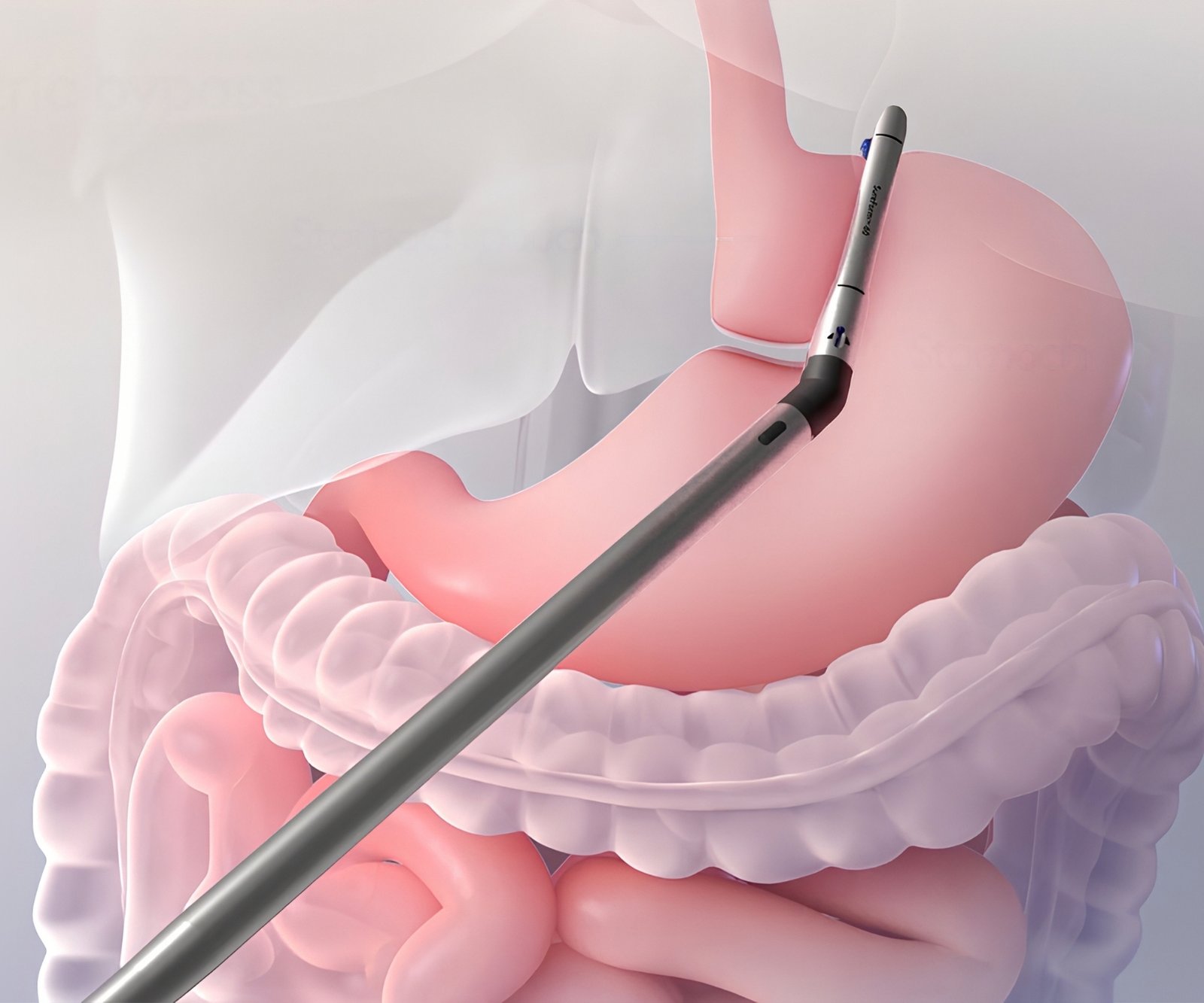
Reduces stomach volume to limit food intake and alter gastrointestinal hormonal signals
02. Metabolic Surgery
Bariatric procedures considered when obesity is associated with metabolic conditions
03. Weight-Related Conditions
Obesity associated with conditions such as type 2 diabetes, sleep apnoea or high blood pressure

04. Gastric Bypass
Creates a smaller stomach pouch and changes the pathway through part of the small intestine
05. Severe Obesity
Surgical treatment considered when excess weight significantly affects health or daily functioning
06. Persistent Weight Problems
Significant obesity continuing despite appropriate non-surgical weight-management efforts
Before surgery, patients generally undergo a detailed medical and nutritional assessment. Depending on individual needs, evaluation may include blood investigations, metabolic assessment, gastrointestinal evaluation, anaesthesia review and assessment of obesity-related conditions.
Robotic vs Laparoscopic Bariatric Surgery
Robotic and laparoscopic bariatric surgery are both minimally invasive approaches. Both use small abdominal incisions, but the instruments and method of surgeon control differ between the two techniques.
|
Feature
|
Robotic Bariatric Surgery
|
Laparoscopic Bariatric Surgery
|
|---|---|---|
|
Visualization
|
Provides a magnified three-dimensional view of the operative field.
|
Provides a high-definition camera view of the surgical area.
|
|
Instrument Movement
|
Articulated instruments allow wrist-like movements during surgery.
|
Conventional instruments are long and relatively rigid during operation.
|
|
Surgeon Control
|
The surgeon controls robotic instruments from a console throughout the procedure.
|
The surgeon directly controls laparoscopic instruments at the operating table.
|
|
Suturing
|
Wristed instruments can assist with controlled suturing during selected bariatric procedures.
|
Conventional laparoscopic instruments are used for stapling and suturing when required.
|
|
Complex Procedures
|
May assist with detailed dissection or reconstruction in selected technically demanding cases.
|
Remains an established approach for sleeve gastrectomy and other bariatric procedures.
|
|
Technique Selection
|
Considered according to the procedure, anatomy, previous surgery and surgeon's assessment.
|
Considered according to the procedure, anatomy, previous surgery and surgeon's assessment.
|
How Is Robotic Bariatric Surgery Performed?
Robotic Bariatric Surgery is performed under general anaesthesia. Small abdominal incisions are made to introduce the camera and robotic instruments. The surgeon first examines the abdominal cavity and identifies the stomach and surrounding structures. The exact surgical steps then depend on the bariatric procedure being performed. For a sleeve gastrectomy, the stomach is divided along a planned line to create a smaller tubular stomach. The remaining portion is removed, and the staple line is checked before completing the operation. For a gastric bypass, a smaller stomach pouch is created and connected to a selected section of the small intestine, changing the route through which food passes through the digestive system. Robotic instruments can assist with tissue dissection, stomach handling, suturing and other detailed surgical steps where required. The surgeon remains in control throughout the procedure. The operative area is checked before the instruments are removed and the small abdominal incisions are closed. The duration of surgery depends on the procedure selected, body habitus, previous abdominal operations and whether additional surgical work is required.
Is Robotic Weight Loss Surgery Safe?
Robotic bariatric surgery is performed using established minimally invasive surgical techniques, with the surgeon maintaining direct control throughout the operation. As with any major surgery, safety depends on appropriate patient selection, preoperative assessment, anaesthesia evaluation, surgical planning and postoperative monitoring. Bariatric surgery carries potential risks such as bleeding, infection, leakage, blood clots and nutritional deficiencies. The individual risks vary according to the procedure and the patient’s health and should be discussed before surgery.
01. Surgeon-Controlled Procedure
The surgeon directly controls the robotic instruments and makes decisions throughout the operation.
02. Detailed Visualization
Magnified three-dimensional imaging provides a clear view of the stomach and surrounding abdominal structures.
03. Controlled Instrumentation
Articulated instruments support measured movements during dissection, tissue handling and suturing.
04. Careful Surgical Planning
The procedure and bariatric technique are selected after evaluating weight, medical conditions and individual anatomy.
Robotic Bariatric Surgery Recovery Time
Recovery following bariatric surgery involves both surgical healing and gradual adjustment to a new eating pattern. The timeline varies according to the procedure performed and the individual’s recovery.
First 24 Hours
Patients are monitored after anaesthesia and encouraged to begin movement as tolerated. Pain control, hydration and early postoperative observations are closely monitored.
Early Hospital Stay
Walking is increased progressively, while fluids and diet are introduced according to the bariatric team's protocol and the procedure performed.
First Few Days
Abdominal soreness, tiredness and temporary changes in appetite or bowel habits may occur during the initial recovery period.
First Few Weeks
Daily activities can be increased gradually. Dietary intake progresses through the recommended stages as the digestive system adapts.
Returning to Exercise
Walking is encouraged early, while more strenuous exercise and abdominal loading are introduced progressively after adequate healing.
Follow-Up
Regular follow-up is an important part of bariatric treatment. Weight changes, nutrition, hydration, vitamin levels and obesity-related health conditions may need ongoing monitoring.
FAQs About Robotic Bariatric Surgery
Who may benefit from bariatric surgery?
Bariatric surgery may be considered for selected people with significant obesity, particularly when excess weight is associated with health problems or persists despite appropriate non-surgical weight-management efforts.
How much weight can I lose after robotic bariatric surgery?
Weight loss varies between individuals and depends on the procedure, starting weight, dietary changes, physical activity and long-term follow-up. A fixed amount of weight loss cannot be guaranteed.
When can I return to normal food after bariatric surgery?
Food is generally reintroduced in stages rather than immediately returning to a regular diet. The progression depends on the procedure and the bariatric team’s dietary protocol.
Is robotic bariatric surgery different from laparoscopic bariatric surgery?
Both are minimally invasive approaches, but robotic surgery uses a surgeon-controlled robotic platform with articulated instruments and three-dimensional visualization. Laparoscopic surgery uses conventional instruments and a laparoscopic camera.
Which bariatric procedure is performed using robotic surgery?
Depending on the patient’s condition and surgical plan, robotic surgery may be used for procedures such as sleeve gastrectomy or gastric bypass. The appropriate procedure is determined after individual assessment.
Will I need vitamins after bariatric surgery?
Nutritional supplementation is commonly required after bariatric procedures, although the specific supplements and doses depend on the operation and individual nutritional needs.
Starting Weight Loss With the Right Surgical Assessment
At Sunshine Surgical Hospital, Robotic Bariatric Surgery is considered for selected patients when a robotic approach is appropriate for the planned weight-loss or metabolic procedure.