
Cancer Surgery in Ahmedabad
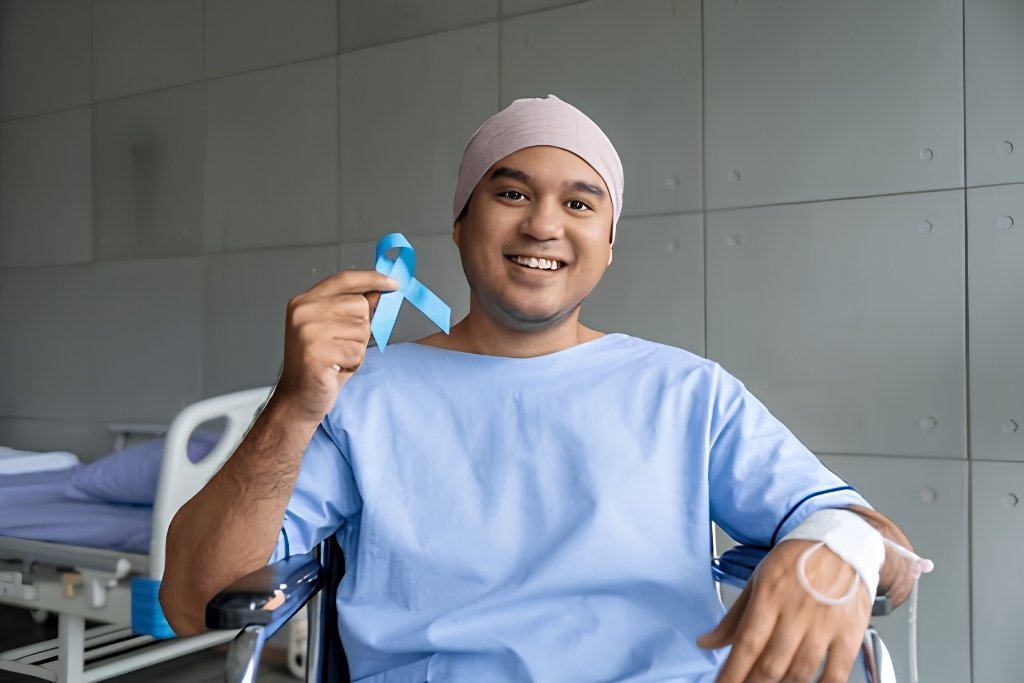
Understanding Cancer Surgery and Care
Cancer surgery involves removing cancerous tissue while considering the surrounding organs, blood vessels, lymph nodes and other structures that may be affected by the disease. The role of surgery differs from one cancer to another.
For some cancers, surgery may be the main treatment. In other situations, chemotherapy, radiation or other treatments may be given before surgery to reduce the tumour or after surgery to address the risk of remaining cancer cells. Some advanced cancers may require surgery primarily to control symptoms or complications.
This makes Cancer Surgery in Ahmedabad an individualised clinical process that begins with understanding the cancer rather than choosing a surgical procedure based only on its location.
Cancers That May Require Surgical Treatment
Surgery can be part of treatment for many solid tumours. The exact procedure depends on the organ involved, tumour size, stage and relationship with surrounding structures.
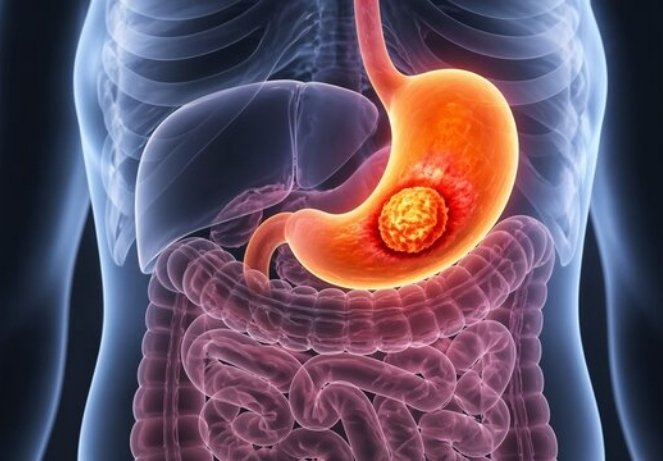
Gastrointestinal Cancers
Surgery may be required for selected cancers of the oesophagus, stomach, small intestine, colon, rectum and other parts of the digestive system.
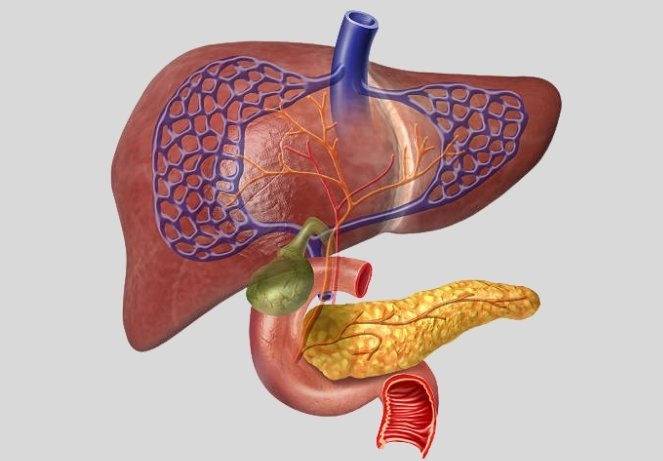
Liver, Gallbladder & Pancreatic Cancers
Selected cancers involving the liver, gallbladder, bile ducts and pancreas may require complex surgery depending on tumour location and involvement of nearby structures.
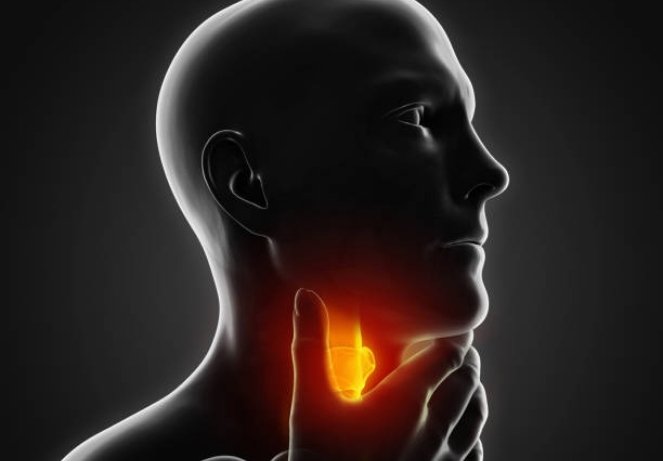
Head & Neck Cancers
Cancers affecting the oral cavity, throat, thyroid, salivary glands and other head and neck structures may require tumour removal, lymph node surgery and, when needed, reconstructive procedures.

Breast & Other Solid Tumours
Surgery may be used to remove selected breast and other solid tumours, with the extent of surgery determined by tumour characteristics and the overall treatment plan.
When Is Cancer Surgery Considered?
The decision to operate depends on several clinical factors rather than the diagnosis alone. Surgery may be considered when:
01. Tumour Removal Is Possible
The cancer is located in an area where the tumour can be surgically removed.
02. Biopsy or Staging Is Required
Surgical procedures may sometimes provide tissue needed to establish or clarify the diagnosis.
03. Cancer Has Returned Locally
Selected recurrent cancers may require further surgery after careful assessment.
04. Local Disease Control Is Needed
Surgery can help control cancer that remains confined to a particular organ or region.
05. Other Treatment Reduced the Tumour
Surgery may follow chemotherapy, radiation or other treatment when the tumour becomes suitable for removal.
06. Symptoms Need Control
Surgery may sometimes be used to relieve obstruction, bleeding, pain.
The expected role of surgery is assessed using biopsy results, scans, disease stage, overall health and the response to any treatment already given.
How Is Cancer Surgery Performed?
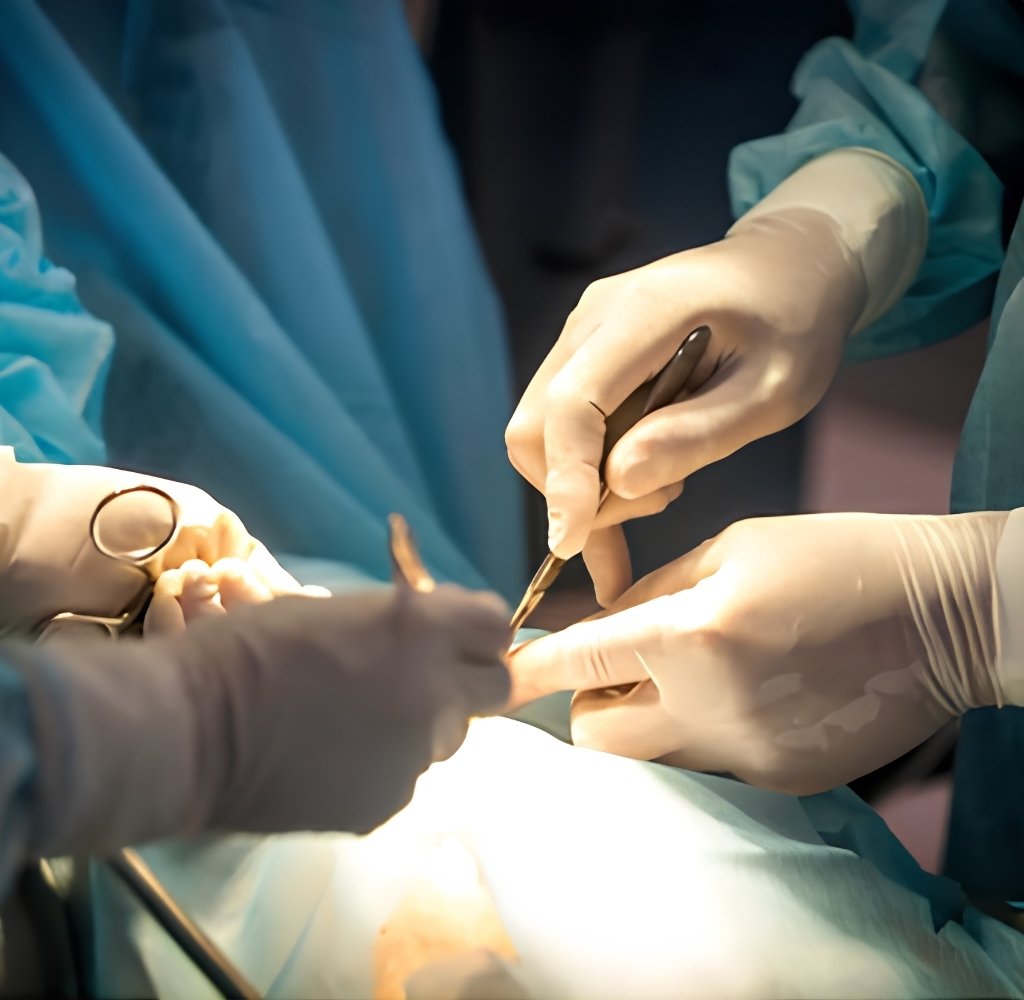
The surgical technique depends on the type and extent of cancer. Surgery may be performed through an open approach, laparoscopic or robotic techniques, depending on the tumour and whether minimally invasive surgery is appropriate. During the procedure, the surgeon removes the tumour along with an appropriate margin of surrounding tissue when required. Nearby lymph nodes may also be removed for examination when indicated. In some cancers, part of an affected organ may be removed, while more extensive disease may require removal of the entire organ or reconstruction of the affected area. For selected abdominal cancers, minimally invasive surgery can provide access through smaller incisions using a camera and specialised instruments. The final approach depends on tumour size, location, disease stage, previous surgery and the need for safe cancer clearance.
Cancer Surgery: From Diagnosis to Treatment Planning
A biopsy or other tissue examination may be required to establish the type of cancer before treatment is planned.
Imaging and other investigations help determine whether the disease is localised, involves nearby lymph nodes or has spread to distant organs.
The cancer type and stage are reviewed to determine whether surgery, chemotherapy, radiation, systemic treatment or a combination is appropriate.
The surgical team considers tumour location, surrounding anatomy, previous operations, general health and the extent of tissue that needs to be removed.
Examining the Surgical Specimen
The removed tissue is sent for pathological examination. The final report provides important information about the tumour and helps determine further treatment.
Depending on the final pathology and cancer stage, additional chemotherapy, radiation, targeted treatment, immunotherapy or surveillance may be recommended.
Open, Laparoscopic and Robotic Cancer Surgery
The choice of surgical approach is based on cancer type, tumour characteristics, anatomy, previous surgery and the need to achieve appropriate cancer clearance. A minimally invasive approach is not suitable for every cancer. Different surgical approaches may be appropriate for different cancers.
|
Surgical Approach
|
What It Involves
|
When It May Be Considered
|
|---|---|---|
|
Open Surgery
|
Uses a larger incision to provide direct access to the tumour and surrounding structures.
|
May be required for large, extensive or technically complex tumours.
|
|
Laparoscopic Surgery
|
Uses small incisions, a camera and specialised instruments to perform the operation.
|
May be suitable for selected abdominal and gastrointestinal cancers.
|
|
Robotic Surgery
|
Uses a robotic surgical platform controlled by the surgeon through small incisions.
|
May be considered for selected cancers where minimally invasive robotic access is appropriate.
|
Benefits of Cancer Surgery
The expected benefit of surgery depends on the cancer type, stage, tumour characteristics and the other treatments required. When surgery forms an appropriate part of cancer treatment, it may provide several important clinical benefits:
01. Tumour Removal
Removes the primary cancerous growth when complete surgical removal is possible.
02. Local Disease Control
Helps control cancer that is confined to a particular organ or region.
03. Tissue Examination
Provides a surgical specimen for detailed pathological assessment.
04. Symptom Relief
Can relieve problems such as obstruction, bleeding or pressure caused by selected tumours.
Recovery After Cancer Surgery
Recovery varies significantly according to the cancer treated, extent of surgery and the patient’s general health. Some patients may require additional treatment after surgery, so recovery also includes ongoing cancer follow-up.
Immediate Recovery
Initial monitoring focuses on pain control, breathing, nutrition, wound care and early movement.
Hospital Recovery
Hospital stay depends on the operation and how quickly normal eating, movement and other functions return.
Early Home Recovery
Light activities are gradually resumed while the surgical wound continues to heal.
Diet & Nutrition
Dietary progression depends on the organ treated and may require specific nutritional guidance.
Returning to Activity
Exercise, driving and work are resumed progressively according to the operation and recovery.
Follow-Up Care
Follow-up includes wound review, pathology discussion and planning of any further cancer treatment.
Knowing the Cost of Cancer Surgery
The cost of Cancer Surgery in Ahmedabad cannot be determined accurately from the cancer diagnosis alone. It can vary depending on the type and stage of cancer, surgical procedure, complexity of the operation, surgical approach, hospital stay, investigations, medicines and whether additional treatment is required.
For an estimate relevant to your diagnosis and planned procedure, contact Sunshine Surgical Hospital and discuss your case with the hospital team.
FAQs About Cancer Surgery
Does every cancer require surgery?
No. Treatment depends on the cancer type and stage. Some cancers are primarily treated with medicines or radiation, while others require surgery as the main or combined treatment.
How long does recovery take after cancer surgery?
Recovery depends on the organ treated and complexity of the operation. Smaller minimally invasive procedures may have a shorter recovery, while extensive cancer surgery can require several weeks or longer.
How is the cancer stage determined before surgery?
Staging may involve biopsy, imaging scans, blood tests and other investigations depending on the cancer. These findings help determine whether surgery and other treatments are appropriate.
Can cancer surgery be performed laparoscopically or robotically?
Selected cancers can be treated using laparoscopic or robotic surgery. Suitability depends on tumour location, size, stage, anatomy and the extent of surgery required.
Will chemotherapy or radiation be needed after cancer surgery?
Not always. Further treatment depends on the cancer type, stage and final pathology report. Some patients may require chemotherapy, radiation, targeted therapy or immunotherapy after surgery.
Can cancer come back after surgery?
Recurrence is possible with some cancers. The risk depends on the cancer type, stage, tumour characteristics and treatment response, which is why structured follow-up is important after surgery.
Discuss Your Cancer Surgery Options
At Sunshine Surgical Hospital, the surgical plan is developed around the diagnosis, imaging, pathology findings and overall treatment requirements. book an appointment for Cancer Surgery.