
Hiatus Hernia Surgery in Ahmedabad
What Is Hiatus Hernia Surgery?
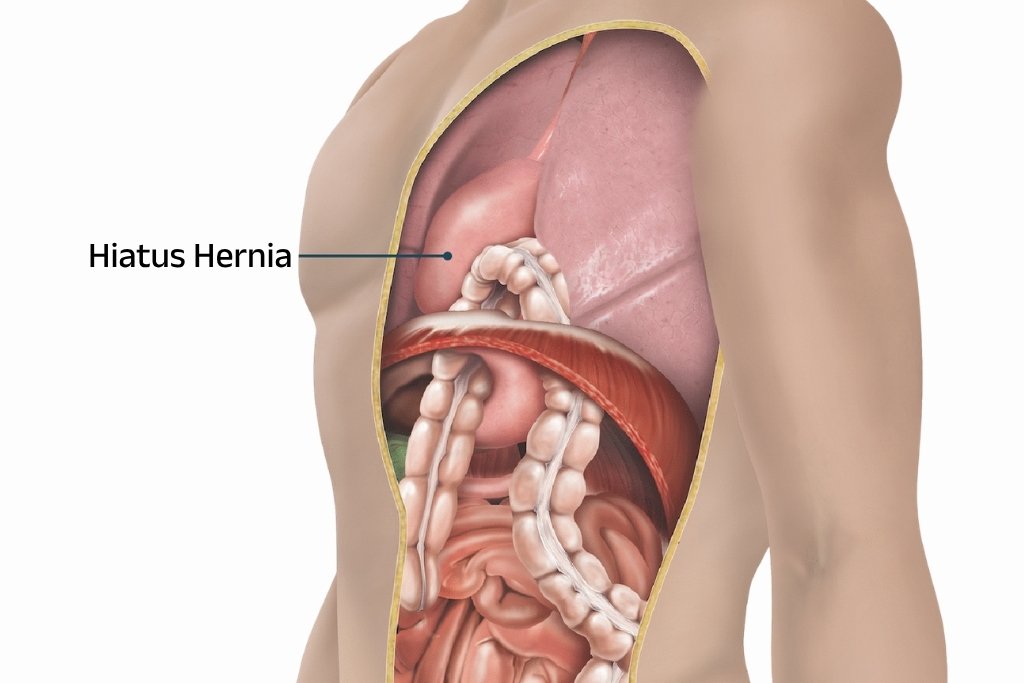
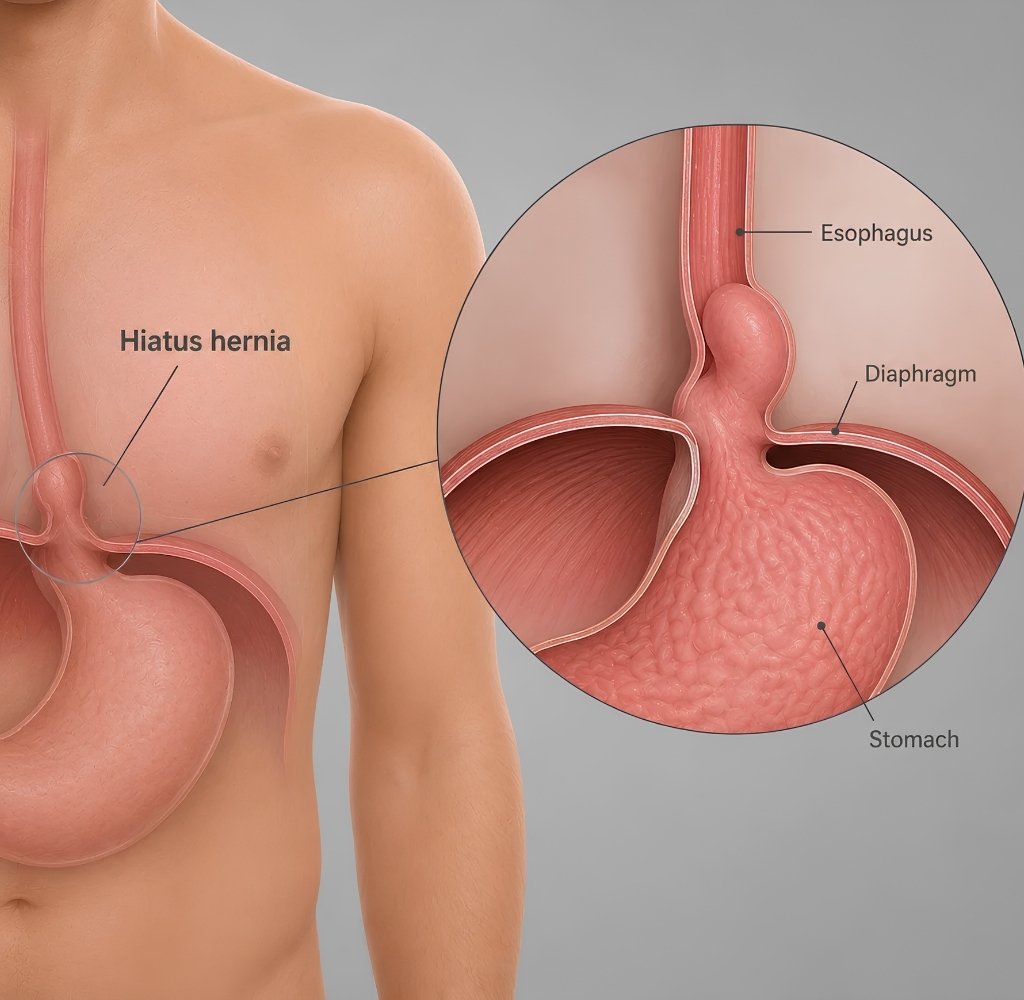
Hiatus Hernia Surgery is performed to repair a condition in which part of the stomach moves upward through the opening in the diaphragm where the oesophagus normally passes. Small hiatus hernias may not require surgery, but larger or symptomatic hernias can sometimes cause persistent reflux, regurgitation, chest or upper abdominal discomfort and difficulty swallowing.
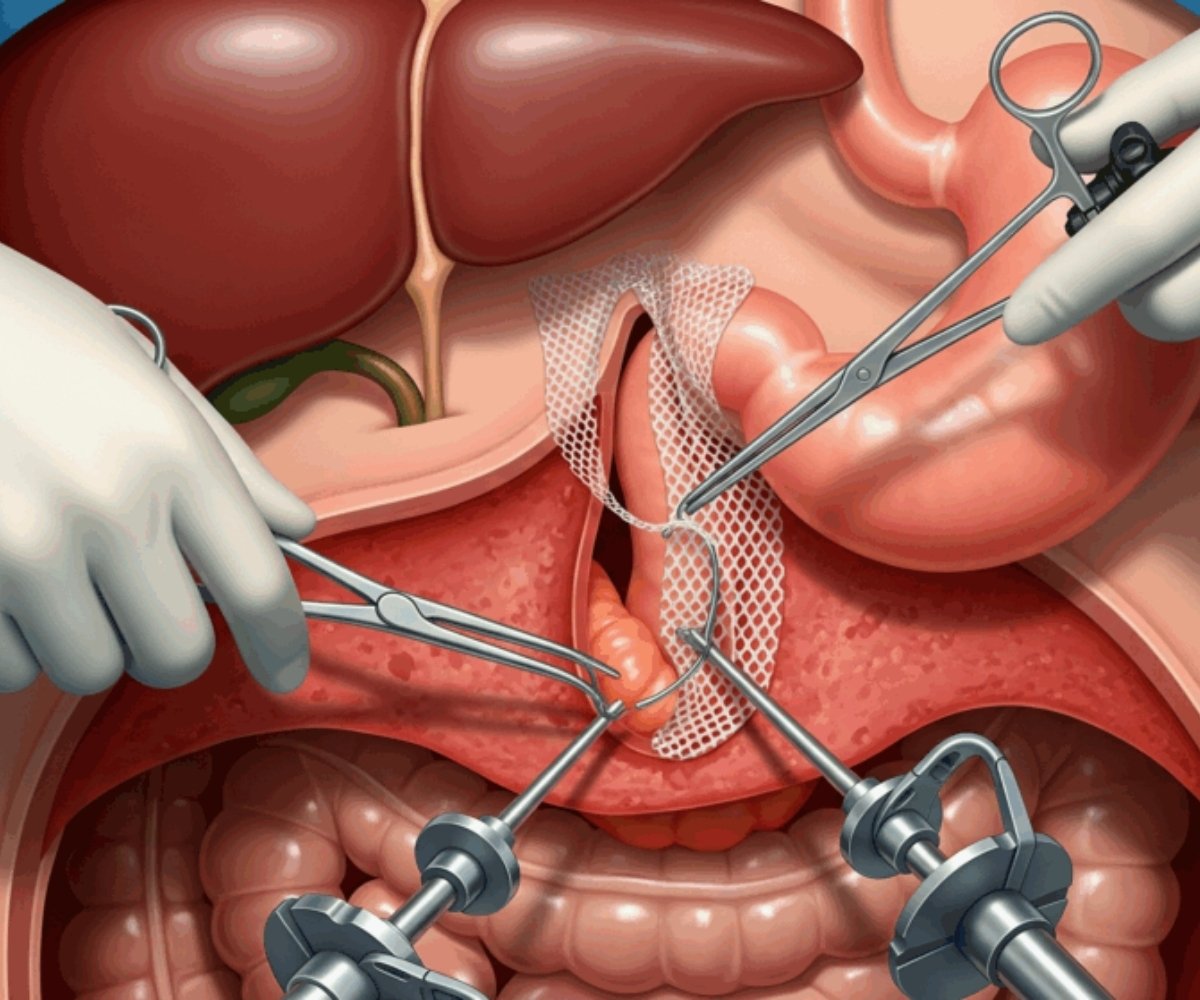
The surgical repair is usually performed using a laparoscopic approach through small abdominal incisions. The stomach is brought back into its normal abdominal position, the enlarged opening in the diaphragm is repaired and the area around the lower oesophagus may be reinforced to reduce the likelihood of the stomach moving upward again. When significant acid reflux is also present, an anti-reflux procedure such as fundoplication may be performed as part of the repair.
The exact surgical plan depends on the type and size of the hiatus hernia, reflux symptoms, oesophageal function and findings from preoperative investigations.
When Is Hiatus Hernia Surgery Considered?
Hiatus Hernia Surgery may be considered when the hernia causes significant symptoms, complications or anatomical problems that are not adequately controlled with non-surgical management. Common situations include:
01. Persistent Reflux
Ongoing acid reflux despite appropriate medical treatment
02. Regurgitation
Repeated movement of stomach contents back into the oesophagus
03. Swallowing Difficulty
Difficulty passing food due to altered anatomy or compression
04. Recurrent Symptoms
Symptoms returning despite medical or lifestyle measures
05. Large Hiatus Hernia
A significant portion of the stomach moving through the diaphragm
06. Complications
Ulceration, bleeding, obstruction or other problems related to the hernia
Before surgery, the hernia is evaluated using investigations such as upper GI endoscopy, contrast studies or imaging. In selected patients, oesophageal manometry and reflux testing may also be performed to understand oesophageal function and determine the most appropriate surgical approach.
Hiatus Hernia Surgery
Hiatus Hernia Surgery is generally performed under general anaesthesia using laparoscopic access through several small abdominal incisions. The surgeon first identifies the stomach and lower oesophagus and carefully brings the herniated stomach back into the abdominal cavity. The tissues around the oesophageal opening in the diaphragm are then dissected to define the hiatus and allow the repair to be performed. The enlarged opening is narrowed with sutures to provide appropriate support around the oesophagus. When indicated, an anti-reflux procedure such as fundoplication is performed by wrapping a portion of the upper stomach around the lower oesophagus to help reduce reflux. In selected complex or recurrent cases, additional techniques may be required according to the anatomy. The repair is checked before the instruments are removed and the small incisions are closed.
Benefits of Hiatus Hernia Surgery
The expected outcome depends on the size and type of hernia, oesophageal function, reflux severity and whether the condition is primary or recurrent. When surgery is appropriate, the procedure aims to correct the underlying anatomical problem rather than only control its symptoms. Depending on the individual condition, potential benefits include:
01. Restored Stomach Position
Moves the herniated portion of the stomach back below the diaphragm.
02. Hiatal Defect Repair
Narrows the enlarged opening through which the stomach has moved.
03. Reflux Control
Fundoplication can be added when significant reflux requires surgical treatment.
04. Small Incisions
Laparoscopic access avoids the need for a large abdominal incision.
Hiatus Hernia Surgery Recovery Time
Recovery after Hiatus Hernia Surgery varies depending on the size of the hernia, the type of repair and whether an anti-reflux procedure is performed at the same time.
First 24 Hours
Patients are monitored after anaesthesia, with pain control and early movement encouraged. Fluids and diet are introduced according to the surgical plan.
First Few Days
Walking is gradually increased. Temporary bloating, abdominal discomfort or difficulty swallowing can occur while the repaired area begins to heal.
First Week
Most patients continue with light activities and follow the recommended diet. Heavy lifting and strenuous exercise are generally restricted.
Following Weeks
Diet is progressively advanced according to swallowing and digestive comfort. Energy levels and daily activity generally improve gradually.
Returning to Exercise
Walking is encouraged early, while strenuous exercise and heavy lifting are resumed progressively after medical advice
Follow-Up
Follow-up appointments help assess swallowing, reflux symptoms, wound healing and overall recovery.
FAQs About Hiatus Hernia Surgery
Does every hiatus hernia require surgery?
No. Many small hiatus hernias can be managed without surgery. Surgical repair is considered when symptoms, complications or the size and anatomy of the hernia make an operation appropriate.
What can I eat after hiatus hernia surgery?
A soft or modified diet is commonly followed during the early recovery period. Food is gradually advanced as swallowing and digestive function improve according to the surgeon’s instructions.
Can a hiatus hernia return after surgery?
Light activities can generally be resumed progressively as comfort improves. The timing for heavier lifting, exercise and strenuous activity depends on healing and the specific repair.
Can Hiatus Hernia Surgery treat acid reflux?
It can help control reflux when the reflux is related to the hiatus hernia and the patient is suitable for surgical treatment. An anti-reflux procedure such as fundoplication may be performed along with the hernia repair.
Is fundoplication always performed with hiatus hernia repair?
No. The need for fundoplication depends on the patient’s reflux symptoms, oesophageal function and surgical findings. The procedure is selected according to the individual condition.
How long does Hiatus Hernia Surgery take?
The duration varies according to the size and complexity of the hernia and whether additional procedures such as fundoplication are required.
Hiatus Hernia Surgery : Treating the Hernia at Its Source
Book a consultation with Dr. Krunal K. Solanki at Sunshine Surgical Hospital, Ahmedabad, for an evaluation of your hiatus hernia and discussion of the appropriate surgical options.