
Orthopedic Treatment in Ahmedabad
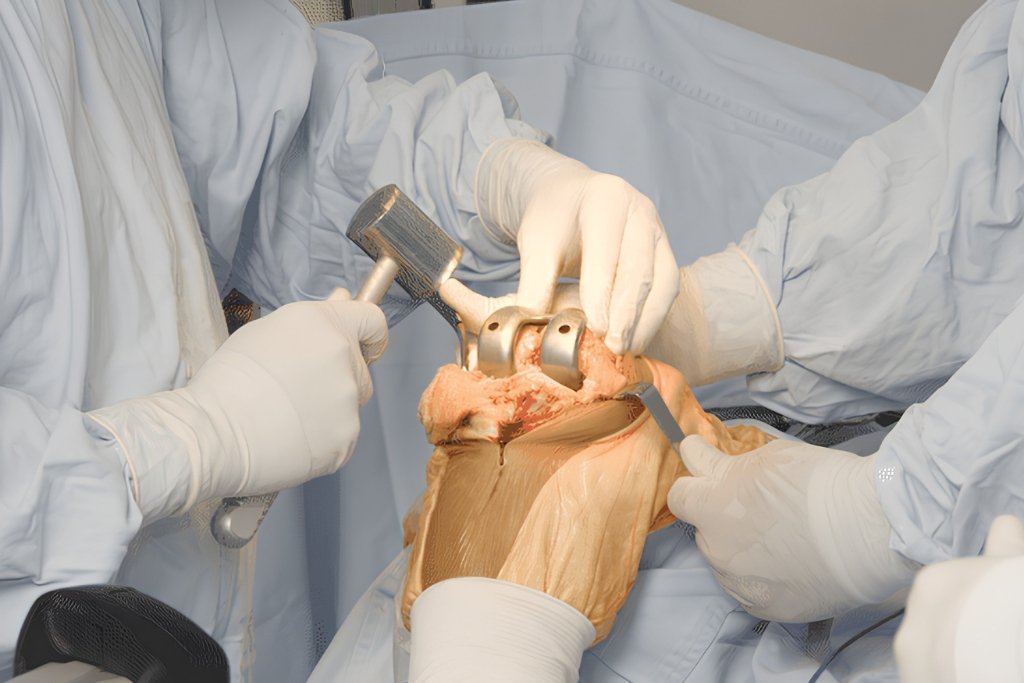
Understanding Orthopedic Surgery and Care
Orthopedic surgery and care address conditions affecting the bones, joints, muscles, ligaments, tendons and other structures involved in movement and stability. Treatment may be required for arthritis, fractures, sports injuries, ligament damage, joint degeneration and other musculoskeletal problems that interfere with everyday activities.
Orthopedic Treatment in Ahmedabad begins with identifying the underlying cause of pain, stiffness, instability or restricted movement. Depending on the condition, treatment may include medicines, physiotherapy, injections, arthroscopy, fracture fixation, ligament reconstruction or joint replacement.
When surgery is required, the procedure is selected according to the affected structure, extent of damage, functional limitations and overall health. Orthopedic care therefore focuses not only on relieving symptoms but also on addressing the underlying structural problem, restoring movement where possible and supporting recovery through appropriate rehabilitation.
When Is Orthopedic Treatment Needed?
Not every orthopedic condition requires surgery. Many problems can initially be managed with medicines, physiotherapy, activity modification or other non-surgical measures. Further orthopedic evaluation may be appropriate when:
01. Pain Persists
Joint or musculoskeletal pain continues despite appropriate conservative treatment.
02. Joint Damage Progresses
Imaging shows significant cartilage loss, deformity or structural deterioration.
03. Daily Function Declines
Walking, climbing stairs, working, exercising or other routine activities become increasingly difficult.
04. Movement Becomes Limited
Stiffness or restricted movement begins interfering with everyday activities.
05. Injury Requires Repair
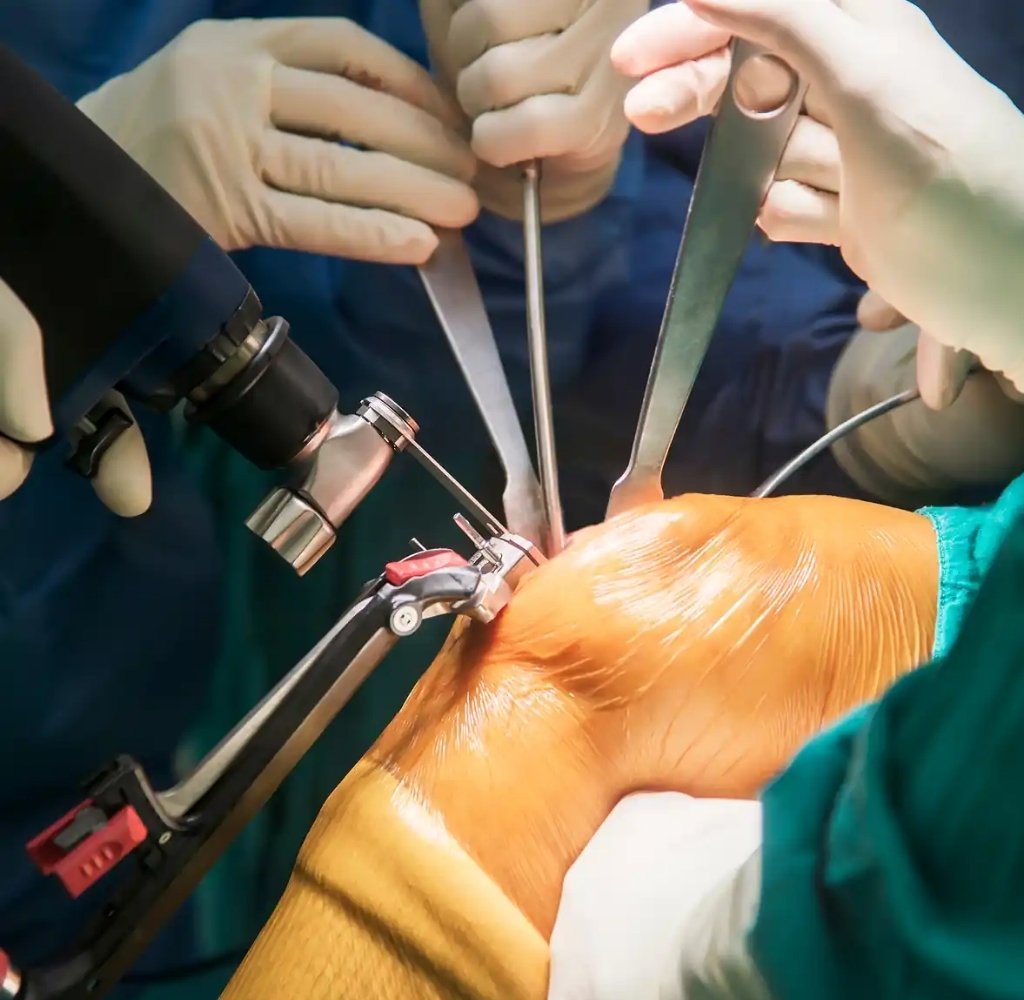
A fracture, ligament tear or other injury requires surgical stabilisation or reconstruction.
06. Conservative Care Falls Short
Non-surgical treatment no longer provides adequate symptom relief or functional improvement.
The need for surgery is determined after considering clinical findings, imaging, symptoms, functional limitations and the expected benefit of the proposed procedure.
From Orthopedic Assessment to Treatment Planning
Clinical Evaluation
The orthopedic team assesses pain, joint movement, strength, stability, alignment and how the condition affects everyday activities.
Imaging & Investigations
X-rays, MRI, CT scans or other investigations may be recommended to understand bone, cartilage, ligament or soft-tissue damage.
Non-Surgical Treatment
Depending on the diagnosis, treatment may include medicines, physiotherapy, activity modification, supportive devices or injections before surgery is considered.
Surgical Assessment
If an operation may provide meaningful improvement, the procedure, expected recovery, possible risks and available alternatives are discussed before treatment.
Selecting the Procedure
The surgical approach depends on the affected joint or bone, severity of damage, age, activity level, medical history and functional requirements.
Rehabilitation Planning
Physiotherapy and progressive activity form an important part of recovery after procedures such as fracture fixation, ligament reconstruction and joint replacement.
Common Orthopedic Procedures
Different musculoskeletal conditions require different surgical approaches. Common orthopedic procedures include:
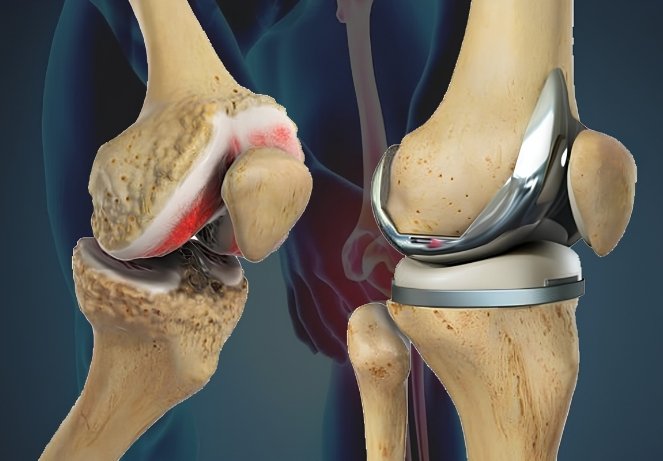
Knee Replacement
Advanced knee joint damage causing persistent pain and significant functional limitation.
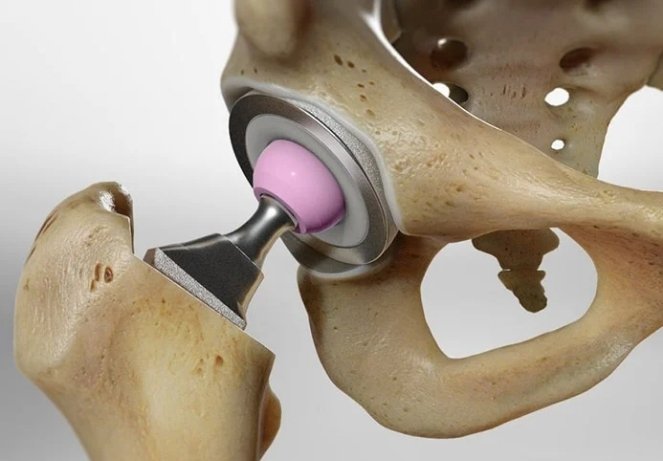
Hip Replacement
Severe hip joint damage affecting movement, walking and everyday activities.
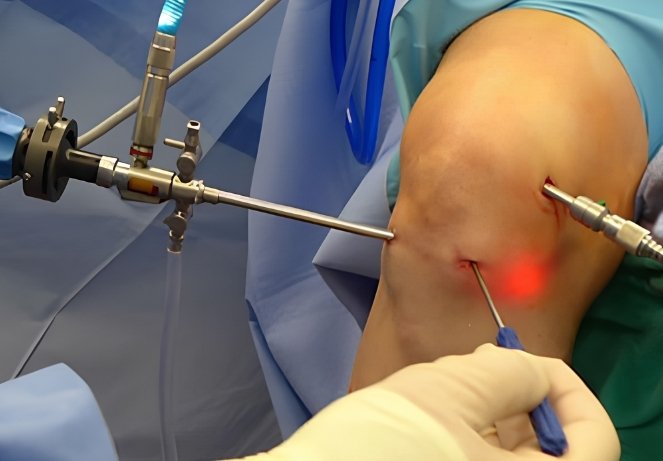
Knee Arthroscopy
Selected meniscus, ligament, cartilage and other internal knee problems.
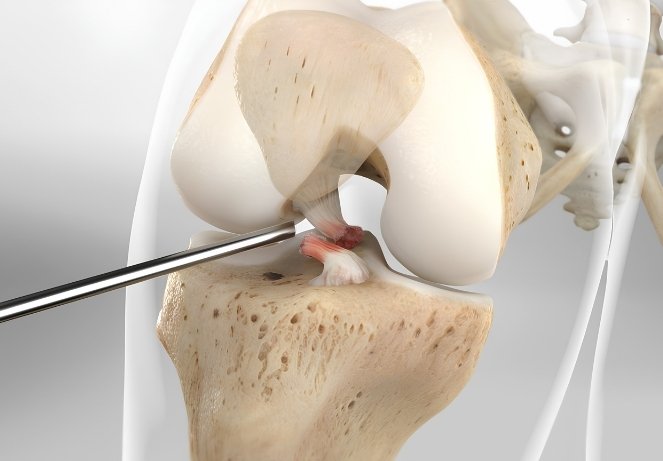
Ligament Reconstruction
Selected ligament injuries causing persistent instability or functional limitation.
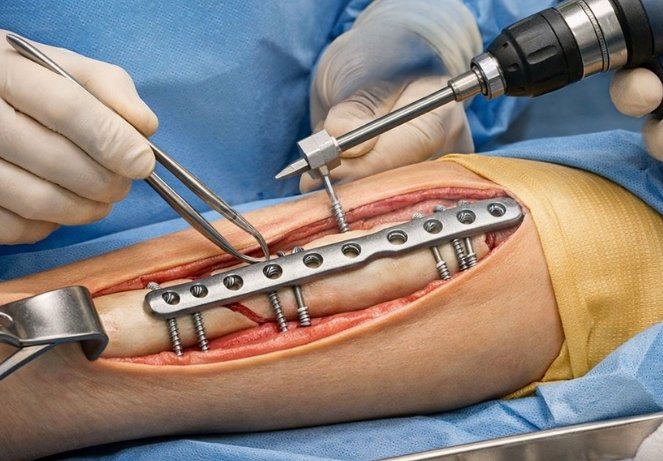
Fracture Fixation
Fractures requiring surgical alignment and stabilisation for appropriate healing.
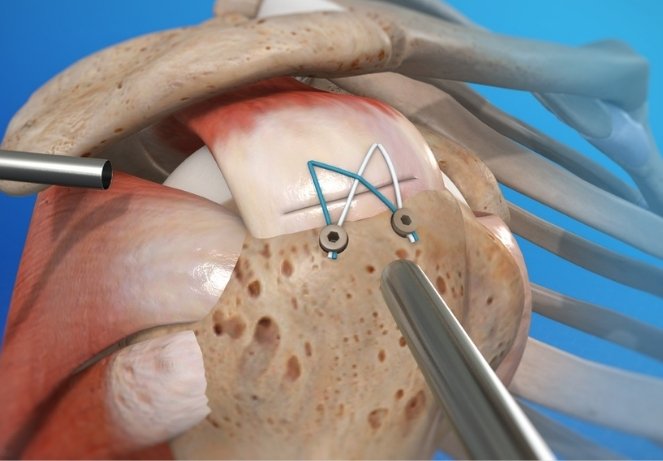
Shoulder Surgery
Selected rotator cuff, instability, tendon and other structural shoulder conditions.
Recovery After Orthopedic Surgery
Recovery after joint replacement, fracture surgery, ligament reconstruction and arthroscopy follows different timelines, so individual postoperative instructions are important. Recovery depends on the procedure, affected joint or bone, extent of surgery, overall health and rehabilitation requirements.
Early Mobilisation
Movement is started as advised to support circulation, joint function and recovery.
Pain Management
Medicines and other measures are used to keep postoperative discomfort under control.
Physiotherapy
Structured exercises help improve strength, flexibility, balance and joint movement.
Walking & Weight Bearing
The timing of walking and weight-bearing depends on the specific procedure.
Returning to Activities
Driving, work, exercise and other activities are resumed progressively.
Follow-Up
Follow-up helps monitor healing, joint function and rehabilitation progress.
FAQs About Orthopedic Treatment
When should I seek orthopedic treatment?
An orthopedic evaluation may be appropriate when persistent pain, stiffness, weakness, instability or restricted movement begins affecting daily activities or does not improve with appropriate conservative treatment.
What affects knee replacement cost in Ahmedabad?
The implant, replacement type, surgical technique, hospital stay, room category, investigations, medicines and rehabilitation requirements can all influence the final treatment cost.
What affects hip replacement cost in Ahmedabad?
The replacement type, implant, surgical complexity, hospital facilities, room category, investigations and postoperative rehabilitation can affect the total expense.
Does every knee problem require knee replacement?
No. Many knee conditions can be managed with medicines, physiotherapy, injections, activity modification or arthroscopic procedures. Replacement is considered when significant joint damage causes persistent symptoms and functional limitation.
How long does recovery take after hip or knee replacement?
Recovery varies according to the procedure, general health and rehabilitation. Early movement is encouraged in many cases, while strength, mobility and return to normal activities progress gradually over the following weeks and months.
Can both knees or hips be replaced?
In selected patients, both joints may require replacement. Whether procedures are performed together or separately depends on the patient’s medical condition and surgical assessment.
Discuss Your Orthopedic Treatment Options
At Sunshine Surgical Hospital, Orthopedic Treatment in Ahmedabad can be planned according to the specific diagnosis, severity of the condition and functional requirements. The treatment approach is determined after clinical assessment and discussion of suitable options.