
Robotic Fundoplication in Ahmedabad
What Is Robotic Fundoplication?
Robotic fundoplication is a minimally invasive surgery used to treat selected patients with gastroesophageal reflux disease (GERD) when reflux remains troublesome despite appropriate medical treatment or when surgery is recommended for another clinical reason.
During the procedure, the upper part of the stomach, called the fundus, is carefully wrapped around the lower oesophagus to strengthen the barrier that helps prevent stomach contents from flowing back into the food pipe. If a hiatus hernia is present, it may also be repaired during the same operation.
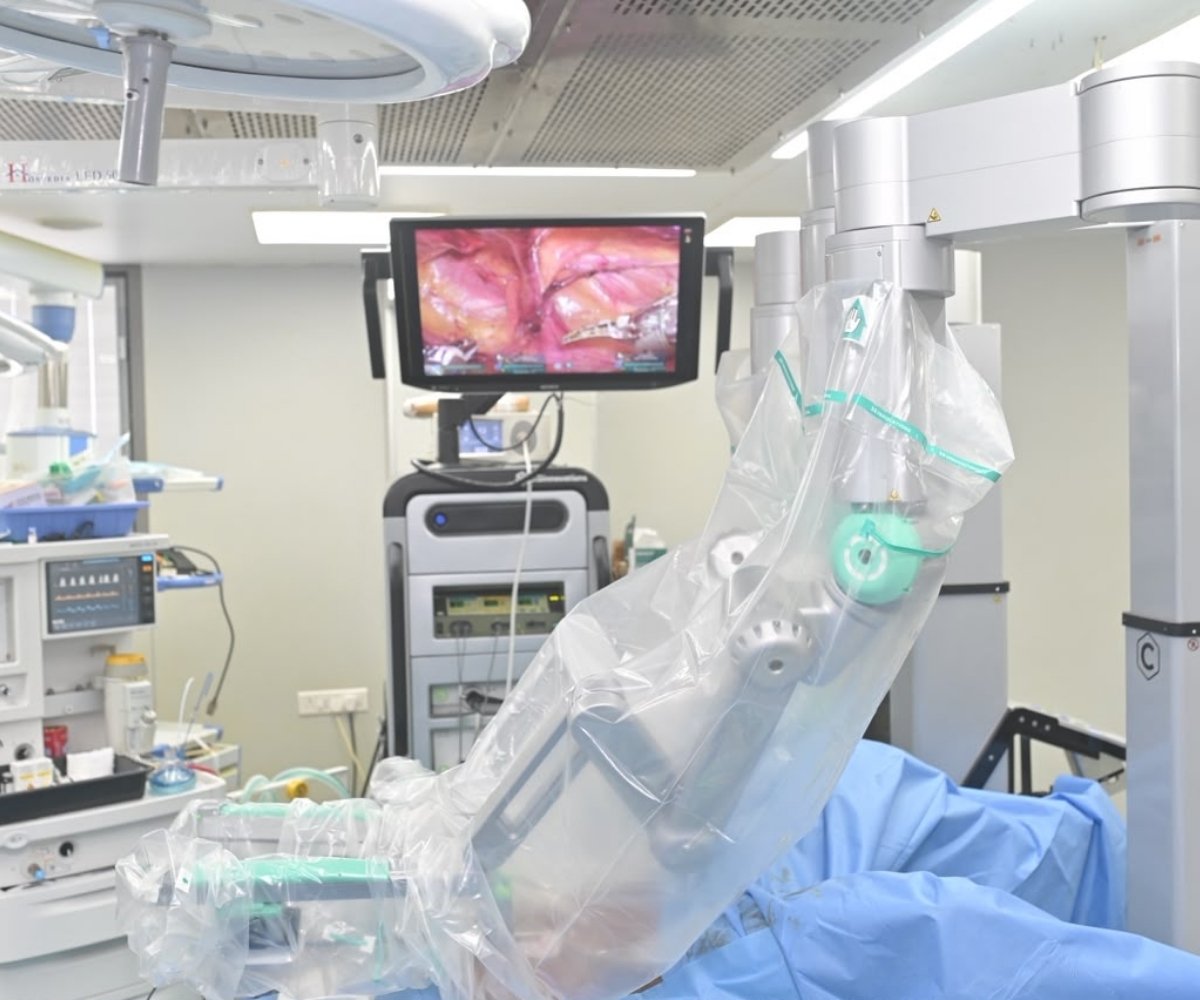
In Robotic Fundoplication in Ahmedabad, the surgeon controls the robotic instruments from a console while a high-definition three-dimensional camera provides an enlarged view of the operative area. The robot acts as a surgical platform; the surgeon remains responsible for the dissection, repair and fundoplication.
When Is Robotic Fundoplication Considered?
Robotic fundoplication is considered after confirming that reflux is the underlying cause of symptoms and that surgical treatment is appropriate.
01. Persistent Reflux Despite Medicines
Surgery may be discussed when significant reflux symptoms continue despite appropriate acid-suppressing treatment and lifestyle measures.
02. Reflux Returning After Stopping Medicines
Patients who repeatedly develop troublesome reflux when medication is reduced or stopped may require assessment for long-term treatment options.
03. Complications of Chronic Reflux
Long-standing reflux can cause oesophageal inflammation, narrowing or other complications that may require a more comprehensive treatment plan.
04. Associated Hiatus Hernia
A hiatus hernia can contribute to reflux by altering the anatomy of the gastro-oesophageal junction. When surgery is indicated, the hernia can often be repaired along with fundoplication.
05. Regurgitation or Night-Time Reflux
Persistent regurgitation, particularly when symptoms occur despite medication, may prompt further evaluation to determine whether anti-reflux surgery could help.
06. Medication-Related Concerns
Patients who have difficulty tolerating long-term medication or prefer to discuss a surgical approach may be evaluated for appropriate alternatives.
Robotic vs Laparoscopic Fundoplication
Both robotic and laparoscopic fundoplication use small abdominal incisions and aim to restore the anti-reflux barrier. Current guidance considers either approach appropriate for adults requiring fundoplication, with the choice based on the individual situation and shared decision-making.
|
Feature
|
Robotic Fundoplication
|
Laparoscopic Fundoplication
|
|---|---|---|
|
Surgical Access
|
Small abdominal incisions
|
Small abdominal incisions
|
|
Visualisation
|
3D magnified operative view
|
Camera-based magnified view
|
|
Instrument Control
|
Surgeon-controlled robotic instruments
|
Surgeon-controlled laparoscopic instruments
|
|
Suturing
|
Robotic wristed instrument control
|
Conventional laparoscopic instruments
|
|
Suitable Cases
|
Selected primary or complex cases
|
Broad range of suitable cases
|
|
Approach Selection
|
Depends on case and expertise
|
Depends on case and expertise
|
How Is Robotic Fundoplication Performed?
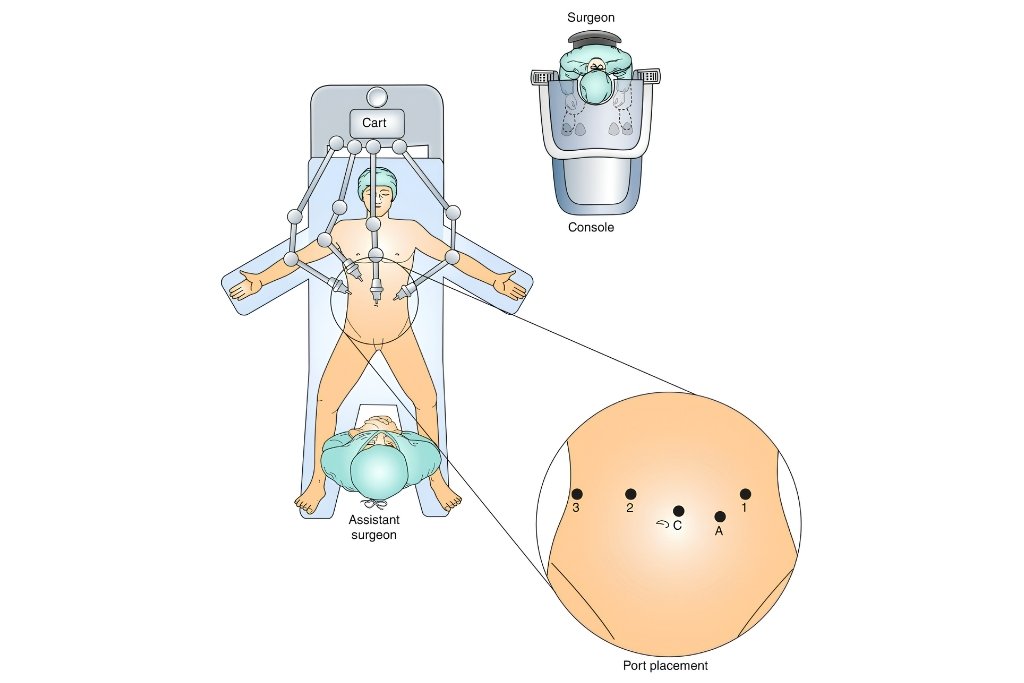
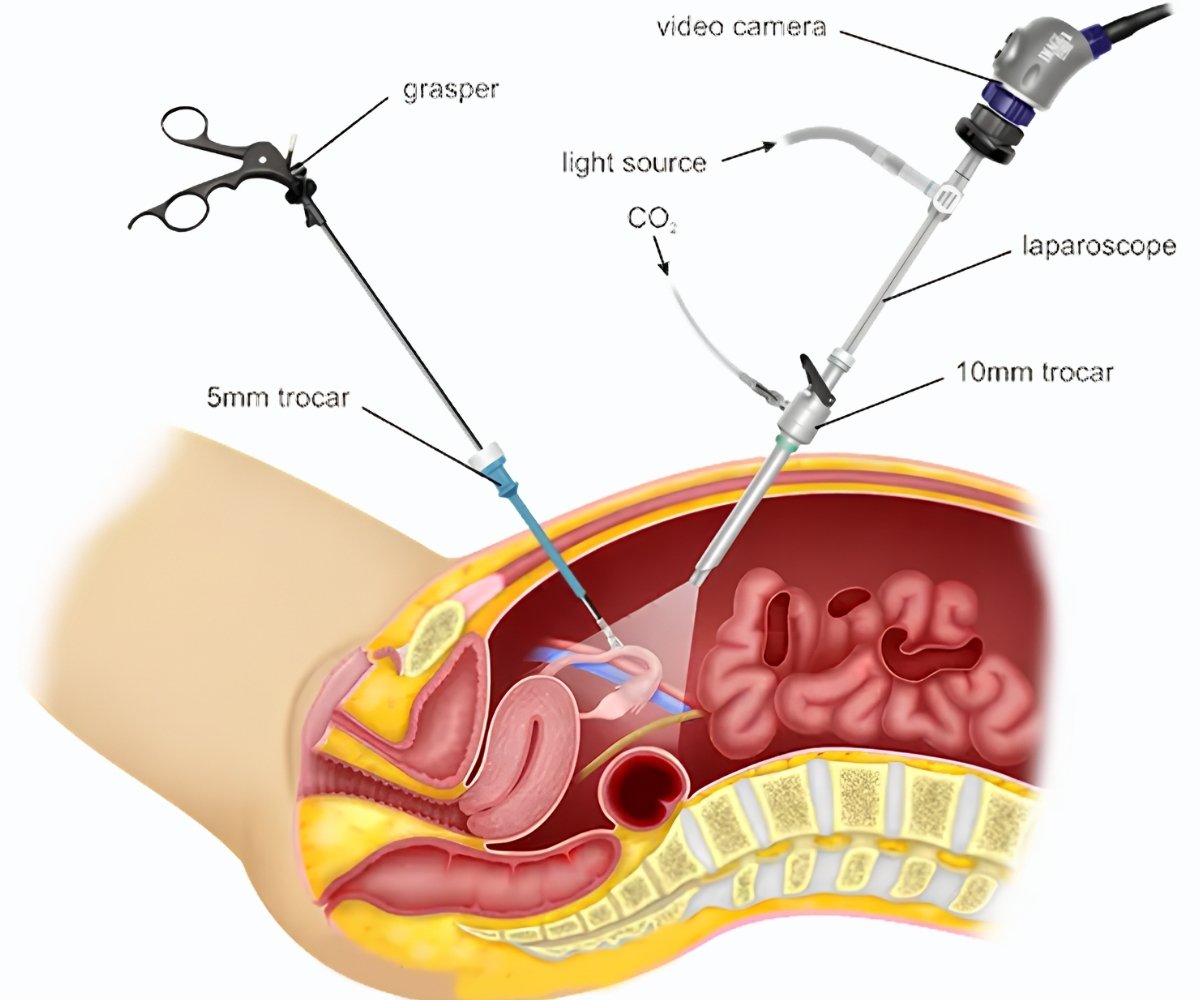
Before surgery, the patient may undergo investigations such as upper gastrointestinal endoscopy, oesophageal manometry and reflux testing, depending on the symptoms and clinical assessment. During Robotic Fundoplication in Ahmedabad, several small abdominal ports are placed and the robotic system is connected. The surgeon carefully exposes the gastro-oesophageal junction and, when required, reduces a hiatus hernia and repairs the opening in the diaphragm. The upper part of the stomach is then mobilised and brought around the lower oesophagus to create the fundoplication wrap. The wrap is constructed according to the surgical plan, with attention to the anatomy and oesophageal function. The instruments are then removed and the small incisions are closed.
Benefits of Robotic Fundoplication
Robotic fundoplication combines minimally invasive access with precise robotic instrument control for selected patients undergoing anti-reflux surgery. The procedure can address reflux and associated hiatus hernia while allowing the surgeon to work around the gastro-oesophageal junction through small abdominal incisions.
01. Precise Surgical Control
The robotic platform provides magnified three-dimensional visualisation and wristed instruments, supporting controlled dissection and suturing around delicate structures.
02. Small Surgical Access
The procedure is performed through small abdominal ports, avoiding the larger incision associated with traditional open anti-reflux surgery.
03. Hiatus Hernia Repair
When a hiatus hernia contributes to reflux, the diaphragmatic opening can be repaired during the same operation as the fundoplication.
Robotic Fundoplication Recovery Time
Recovery after robotic fundoplication progresses gradually, with diet, activity and follow-up adjusted according to the healing of the anti-reflux repair. Most patients return to routine activities in stages rather than immediately after surgery.
Early Recovery
Initial recovery focuses on pain control, movement and gradual fluid intake while the stomach and oesophagus begin to heal after surgery.
Diet Progression
Food is introduced gradually, often beginning with liquids and soft foods before progressing towards a more regular diet as swallowing becomes comfortable.
Returning to Routine
Light daily activities can usually be resumed progressively, while strenuous exercise and heavy lifting may be restricted during the early healing period.
Follow-Up Care
Follow-up appointments help assess swallowing, reflux symptoms, dietary tolerance and recovery while allowing the surgical team to address any concerns.
FAQs About Robotic TAPP Hernia Repair
When is robotic fundoplication recommended?
Robotic fundoplication may be considered when confirmed GERD continues to cause troublesome symptoms despite appropriate medical treatment or when an associated hiatus hernia requires surgical repair.
Can a hiatus hernia be repaired during fundoplication?
Yes. If a hiatus hernia is contributing to reflux, the diaphragmatic opening can generally be repaired during the same operation as the fundoplication.
Is robotic fundoplication different from laparoscopic fundoplication?
Both procedures use small abdominal incisions to perform the fundoplication. Robotic surgery uses a surgeon-controlled robotic platform with three-dimensional visualisation and instruments.
Will I need acidity medicines after robotic fundoplication?
Some patients may reduce or stop reflux medicines after successful surgery, while others may continue to need medication. The long-term requirement depends on the underlying condition and treatment response.
What can I eat after robotic fundoplication?
Diet is usually advanced gradually after surgery, beginning with liquids or soft foods and progressing according to swallowing comfort and the healing of the surgical repair.
How long does recovery take after robotic fundoplication?
Recovery varies between patients and procedures. Light activities can generally be resumed progressively, while dietary adjustment and complete recovery may take several weeks.
Discuss Your Reflux Treatment Options
If you have persistent GERD symptoms or have been advised to consider anti-reflux surgery, consult the surgical team to understand your condition, treatment options and expected recovery.