
Pilonidal Sinus Surgery in Ahmedabad
What Is Pilonidal Sinus Surgery?
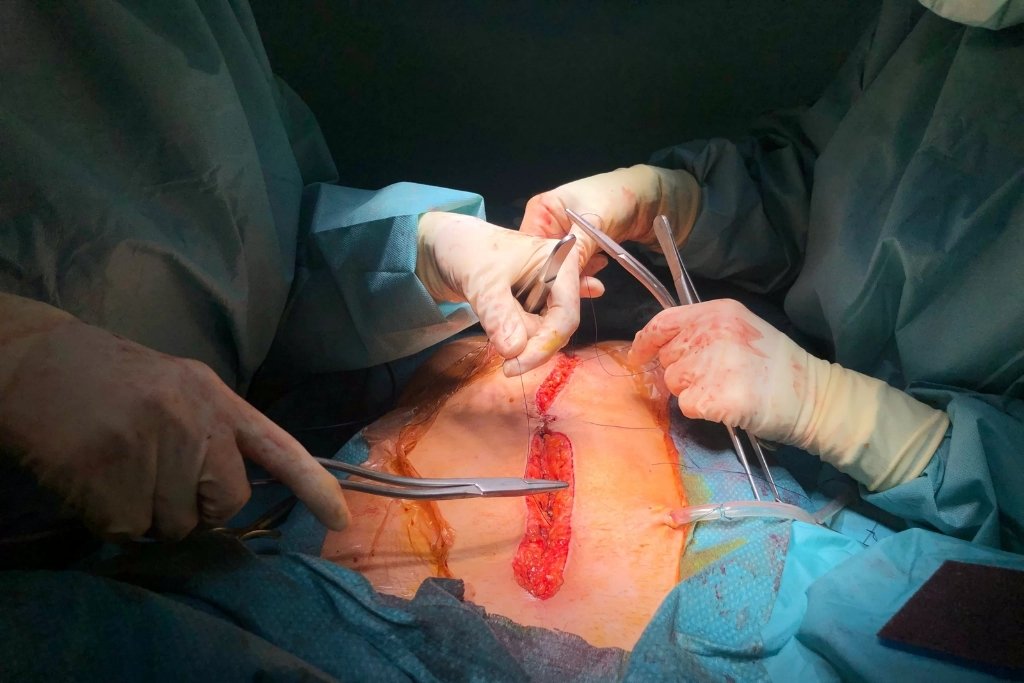
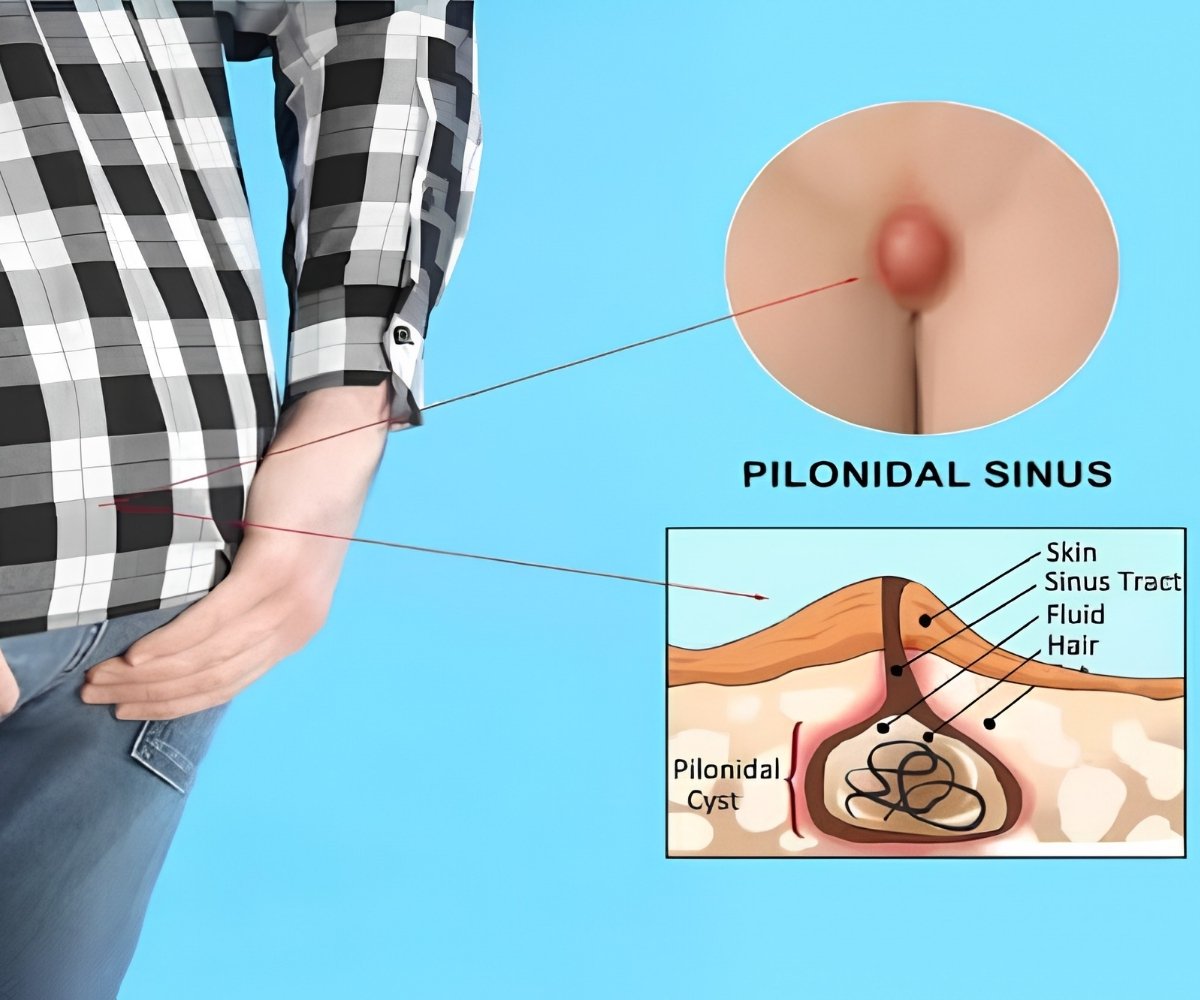
Pilonidal Sinus Surgery is a procedure used to treat a persistent or infected pilonidal sinus by removing the sinus tract and affected tissue or by using a technique that clears the sinus while allowing the area to heal appropriately.
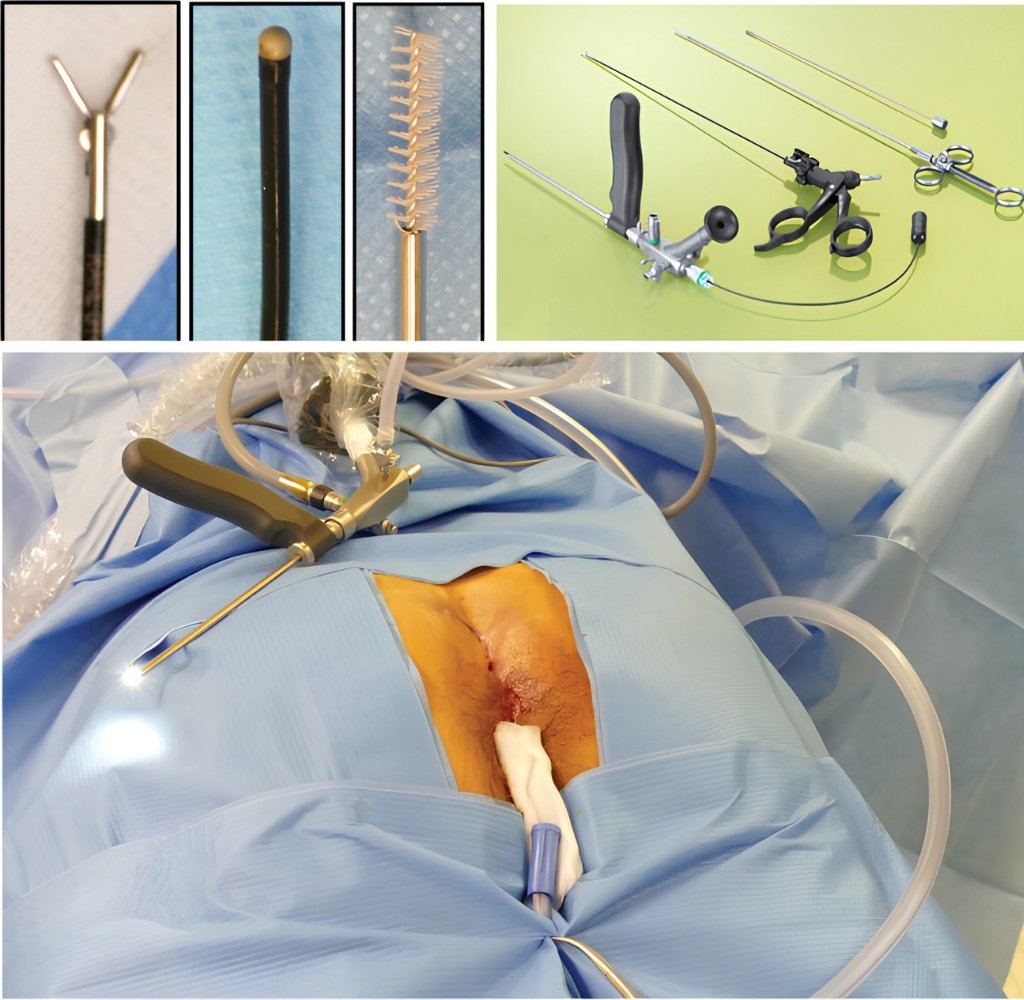
The surgical approach depends on the size and location of the sinus, the number of openings, whether an abscess is present and whether the condition has returned after previous treatment. Selected cases may be managed with minimally invasive techniques, while larger or recurrent disease may require a wider procedure or flap-based closure.
For patients considering Pilonidal Sinus Surgery in Ahmedabad, an examination helps determine the extent of the sinus and the most appropriate treatment approach.
When Is Pilonidal Sinus Surgery Needed?
Surgery may be considered when a pilonidal sinus is persistent, repeatedly infected or causing ongoing symptoms. Common situations include:
01. Recurrent Infection
Repeated episodes of swelling, redness, pain or pus discharge may indicate an active sinus.
02. Painful Swelling
A tender lump near the tailbone can occur when the sinus becomes inflamed or infected.
03. Multiple Openings
Several pits or interconnected sinus tracts may require surgical management.
04. Persistent Discharge
Continuous or recurring fluid or pus from a small opening in the natal cleft may require definitive treatment.
05. Recurrent Abscess
Repeated abscess formation may occur when the underlying sinus remains untreated.
06. Failed Previous Treatment
Recurrence after drainage or previous pilonidal sinus treatment may require a different surgical approach.
An acute abscess may first require drainage before definitive treatment of the underlying sinus is planned.
How Is Pilonidal Sinus Surgery Performed?
Pilonidal Sinus Surgery is performed under appropriate anaesthesia, with the technique selected according to the size and complexity of the sinus. The surgeon identifies the external openings and traces the sinus to determine the extent of affected tissue. In a limited sinus, the tract and unhealthy tissue may be removed through a smaller incision or treated using a minimally invasive technique. Larger or recurrent sinuses may require removal of the affected tissue followed by appropriate wound management or flap-based closure to reduce tension in the natal cleft. If an abscess is present, drainage and control of the infection may be required. The surgical plan is determined by the sinus anatomy, previous procedures and condition of the surrounding skin.
Benefits of Pilonidal Sinus Surgery
The risk of recurrence varies with the extent of the sinus, previous treatment, wound healing and local factors. Following postoperative wound-care and hygiene instructions remains important. When surgery is appropriate, treating the underlying sinus can provide several benefits:
01. Removes the Sinus Tract
Addresses the abnormal tract and affected tissue responsible for persistent symptoms.
02. Reduces Recurrent Infection
Definitive treatment can reduce repeated episodes of swelling and pus formation.
03. Relieves Local Discomfort
Treatment can improve pain, tenderness and irritation around the tailbone.
04. Manages Persistent Discharge
Removing or treating the sinus can help stop recurring drainage from the skin openings.
Pilonidal Sinus Surgery Recovery Time
Keeping the natal cleft clean and dry and following wound-care instructions are important during recovery. Recovery after Pilonidal Sinus Surgery depends on the technique used, size of the wound and whether the sinus is primary or recurrent.
First 24 Hours
Pain control, wound assessment and guidance regarding movement and local care.
First Few Days
Mild pain, swelling or drainage may occur while the surgical area begins to heal.
First Week
Light activities can usually be resumed gradually, with wound care continued as advised.
Following Weeks
The wound continues to heal, particularly when the procedure involves an open healing area.
Returning to Exercise
Running, cycling, gym workouts and prolonged sitting should be resumed gradually after adequate healing.
Follow-Up
Regular review may be required to monitor wound healing and identify any signs of recurrent disease.
FAQs About Pilonidal Sinus Surgery
Can a pilonidal sinus heal without surgery?
A small, asymptomatic pilonidal sinus may sometimes be observed, while an acute abscess may require drainage. Persistent or recurrent symptomatic sinus disease often requires definitive treatment.
How long does Pilonidal Sinus Surgery take?
The duration varies according to the size and complexity of the sinus and the technique used. A limited sinus generally requires less operative time than extensive or recurrent disease.
When can I sit normally after surgery?
Sitting may be uncomfortable during the initial healing period. The timing for prolonged sitting depends on the procedure, wound location and healing progress.
Is every pilonidal sinus treated by removing the entire area?
No. The extent of treatment depends on the number of pits, sinus tract, infection, previous surgery and surrounding tissue. Limited disease may be treated with a smaller or minimally invasive procedure.
Can a pilonidal sinus come back after surgery?
Yes, recurrence is possible. The likelihood depends on the extent of disease, wound healing, previous treatment and factors such as hair accumulation and local skin conditions.
How can I reduce the chance of pilonidal sinus recurrence?
Keeping the natal cleft clean and dry, following wound-care instructions and managing hair in the area when advised can help reduce factors associated with recurrence.
Get Your Pilonidal Sinus Evaluated
A proper examination can establish the extent of disease and help select the appropriate surgical approach. Book an Appointment for Pilonidal Sinus Surgery in Ahmedabad