
eTEP Hernia Repair in Ahmedabad
What Is eTEP Hernia Repair?
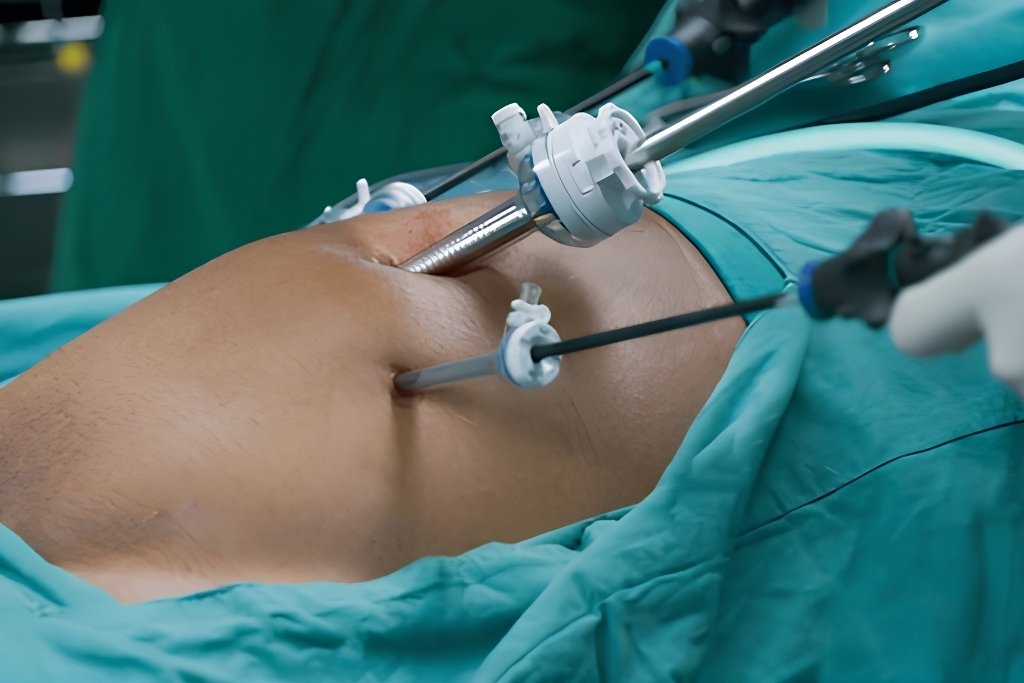
eTEP Hernia Repair is an advanced laparoscopic technique used for selected ventral, incisional and complex abdominal wall hernias. eTEP stands for extended Totally Extraperitoneal, referring to the surgical approach used to reach the abdominal wall without routinely entering the main abdominal cavity.
Through small incisions, a camera and specialised instruments are introduced into the abdominal wall planes. The surgeon creates and works within the appropriate retromuscular or preperitoneal space, allowing the hernia defect to be assessed and repaired while keeping the abdominal contents separated from the operative field. Depending on the defect, the repair may involve closing the hernia opening and placing surgical mesh in a suitable anatomical plane. The exact technique depends on the size, location and complexity of the hernia, along with previous operations and existing mesh.
When Can eTEP Hernia Repair Be Considered?
eTEP may be considered when the hernia requires access to the abdominal wall layers rather than a straightforward groin repair. Common situations include:
01. Ventral Hernias
Defects along the front abdominal wall
02. Incisional Hernias
Hernias developing at a previous surgical incision
03. Midline Defects
Hernias involving the central abdominal wall
04. Recurrent Hernias
Selected cases after an earlier repair
05. Larger Defects
Hernias requiring broader abdominal wall reconstruction
06. Complex Abdominal Walls
Cases requiring careful tissue-plane dissection
A physical examination and, when required, imaging such as ultrasound or CT help determine the location and extent of the defect. Previous abdominal operations, existing mesh and the condition of the abdominal wall are also considered before selecting the repair method.
eTEP vs Laparoscopic Hernia Surgery
Both techniques use small incisions, a camera and specialised instruments, but they differ in where the surgeon works within the abdomen and abdominal wall.
|
Aspect
|
eTEP Hernia Repair
|
Conventional Laparoscopic Repair
|
|---|---|---|
|
Surgical Plane
|
Works within abdominal wall tissue planes
|
Commonly works through the abdominal cavity
|
|
Abdominal Cavity
|
Usually avoids entering the main cavity
|
TAPP enters the abdominal cavity
|
|
Mesh Position
|
Retromuscular or preperitoneal placement
|
Commonly placed in a preperitoneal position
|
|
Defect Closure
|
Allows direct abdominal wall closure
|
Closure depends on hernia and technique
|
|
Abdominal Wall
|
Suited to selected larger wall defects
|
Commonly used for groin and selected wall hernias
|
|
Technique Selection
|
Useful for selected complex repairs
|
Established option across several hernia types
|
How Is eTEP Hernia Repair Performed?
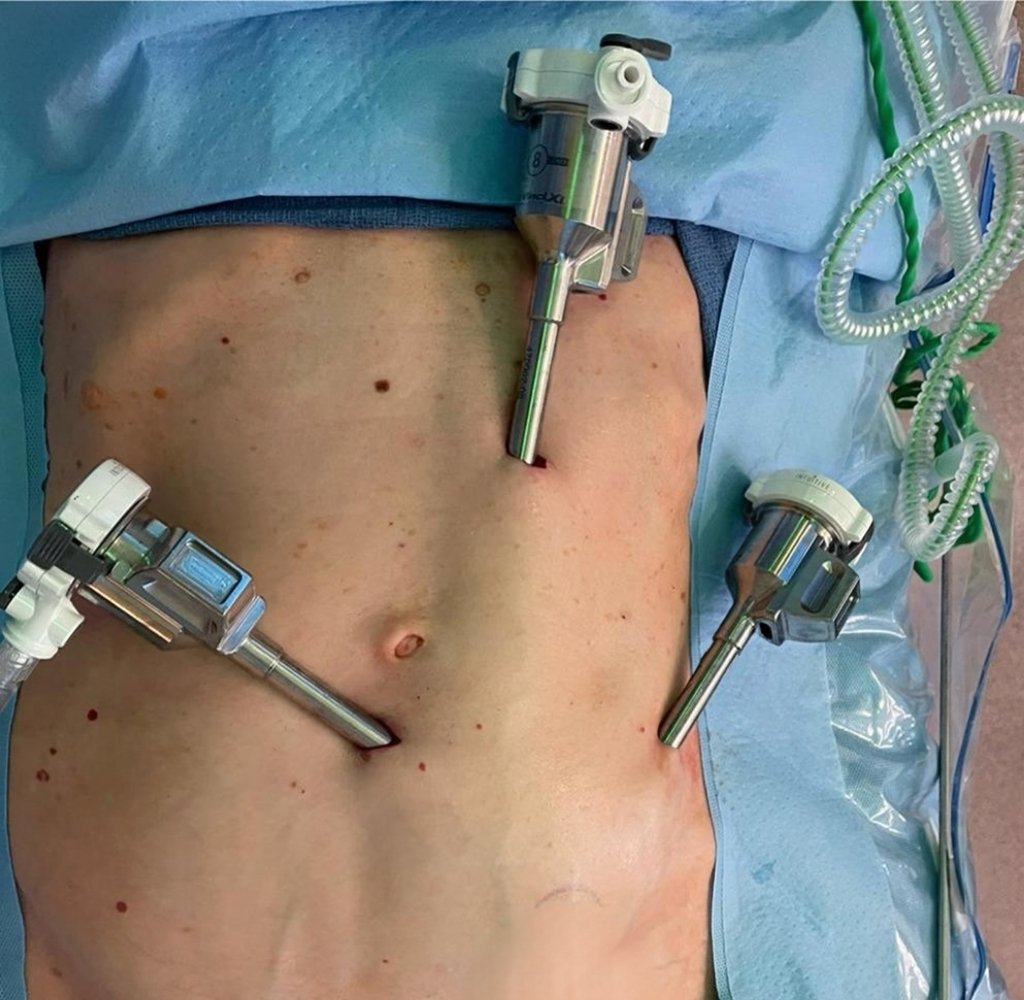
eTEP Hernia Repair is performed under general anaesthesia through small abdominal incisions. The surgeon first creates access to the appropriate extraperitoneal or retromuscular plane and carefully develops the working space within the abdominal wall layers. The hernia defect is then identified, and any protruding tissue is reduced where required. The dissection is extended around the defect to create adequate space for repair and mesh placement. Depending on the hernia and abdominal wall anatomy, the defect may be closed with sutures before surgical mesh is positioned in the selected anatomical plane to reinforce the repair. The operative area is checked before the instruments are removed and the small incisions are closed. The duration of eTEP Hernia Repair varies depending on the size and location of the hernia, previous surgeries, scar tissue and whether abdominal wall reconstruction is required.
eTEP Hernia Surgery Recovery Time
Recovery after eTEP Hernia Repair varies with the complexity of the abdominal wall defect and the extent of reconstruction performed. A straightforward repair generally follows a different recovery pattern from a large or recurrent hernia repair.
First 24 Hours
Pain control, walking and monitoring begin soon after surgery. Early movement is encouraged according to the surgical team’s instructions.
First Few Days
Patients gradually increase walking and everyday activity. Tightness or discomfort around the repaired abdominal wall can occur during this stage.
First Week
Light household activities may become easier, while strenuous movements and heavy lifting are usually restricted.
Following Weeks
Activity is gradually increased as the abdominal wall heals. The timeline depends on the size and complexity of the repair.
Returning to Exercise
Walking is generally encouraged early, while gym activity, core exercises and heavy lifting should be resumed only after appropriate medical guidance.
Follow-Up
Follow-up appointments allow the surgical site, abdominal wall and recovery progress to be assessed before activity restrictions are relaxed.
FAQs About eTEP Hernia Repair
Is eTEP Hernia Repair suitable for every abdominal wall hernia?
No. eTEP is one of several techniques used for abdominal wall hernia repair. The appropriate method depends on the defect, its location, previous surgery, existing mesh and the abdominal wall anatomy.
How soon can I walk after eTEP Hernia Repair?
Walking is generally encouraged soon after surgery, depending on your condition and the extent of the repair. More demanding activity is introduced gradually.
Can eTEP be performed after previous abdominal surgery?
It may be possible in selected cases. Previous operations, scar tissue and existing mesh need to be assessed because they can affect the available surgical planes.
Does eTEP Hernia Repair use mesh?
Mesh is commonly used when reinforcement is required, particularly for larger abdominal wall defects. Its position and size are selected according to the individual repair.
Is eTEP different from TAPP hernia repair?
Yes. eTEP works within the abdominal wall’s extraperitoneal or retromuscular planes, while TAPP involves entering the abdominal cavity before accessing the preperitoneal space.
When can I return to exercise after eTEP Hernia Repair?
The timeline varies according to the size and complexity of the repair. Walking usually starts early, while heavy lifting and strenuous core exercises require a longer period of healing.
Planning eTEP Hernia Repair in Ahmedabad Around the Abdominal Wall
Book a consultation at Sunshine Surgical Hospital, for an assessment of your abdominal wall hernia and available surgical options.