
Laser Anal Fissure Treatment in Ahmedabad
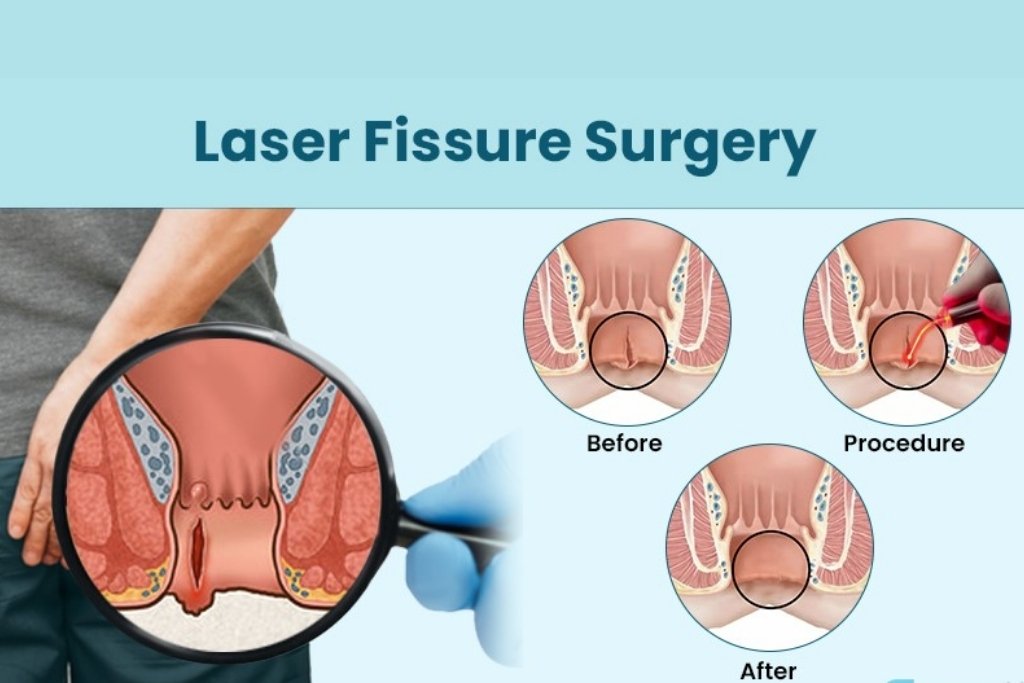
What Is Laser Anal Fissure Treatment?
Laser Anal Fissure Treatment uses controlled laser energy to treat the affected fissure and promote healing while limiting tissue disruption. Depending on the clinical situation, laser techniques may be used to address the fissure itself and associated scar tissue or hypertrophied tissue.
The exact procedure depends on whether the fissure is acute or chronic and whether there is associated sphincter spasm, sentinel skin tag or other anorectal condition. A proper examination is important before deciding whether laser treatment is appropriate.
For patients considering Laser Anal Fissure Treatment in Ahmedabad, the underlying cause of persistent fissure symptoms should be assessed rather than treating pain alone.
When Is Laser Anal Fissure Treatment Needed?
Laser treatment may be considered when an anal fissure continues to cause symptoms despite appropriate conservative measures. Common situations include:
01. Persistent Anal Pain
Sharp or burning pain during and after bowel movements that continues over time.
02. Chronic Fissure
A fissure that has remained present for an extended period and shows features of chronic disease.
03. Recurrent Fissures
Repeated episodes despite appropriate management may require procedural evaluation.
04. Recurrent Bleeding
Repeated bright-red bleeding associated with bowel movements.
05. Failed Conservative Care
Symptoms that do not improve sufficiently with fibre, fluids, stool-softening measures and prescribed medicines.
06. Associated Tissue Changes
Sentinel skin tags, scar tissue or other chronic changes may influence the treatment approach.
The decision depends on the fissure’s duration, location, appearance, symptoms and associated muscle spasm or anorectal conditions.
How Is Laser Anal Fissure Treatment Performed?
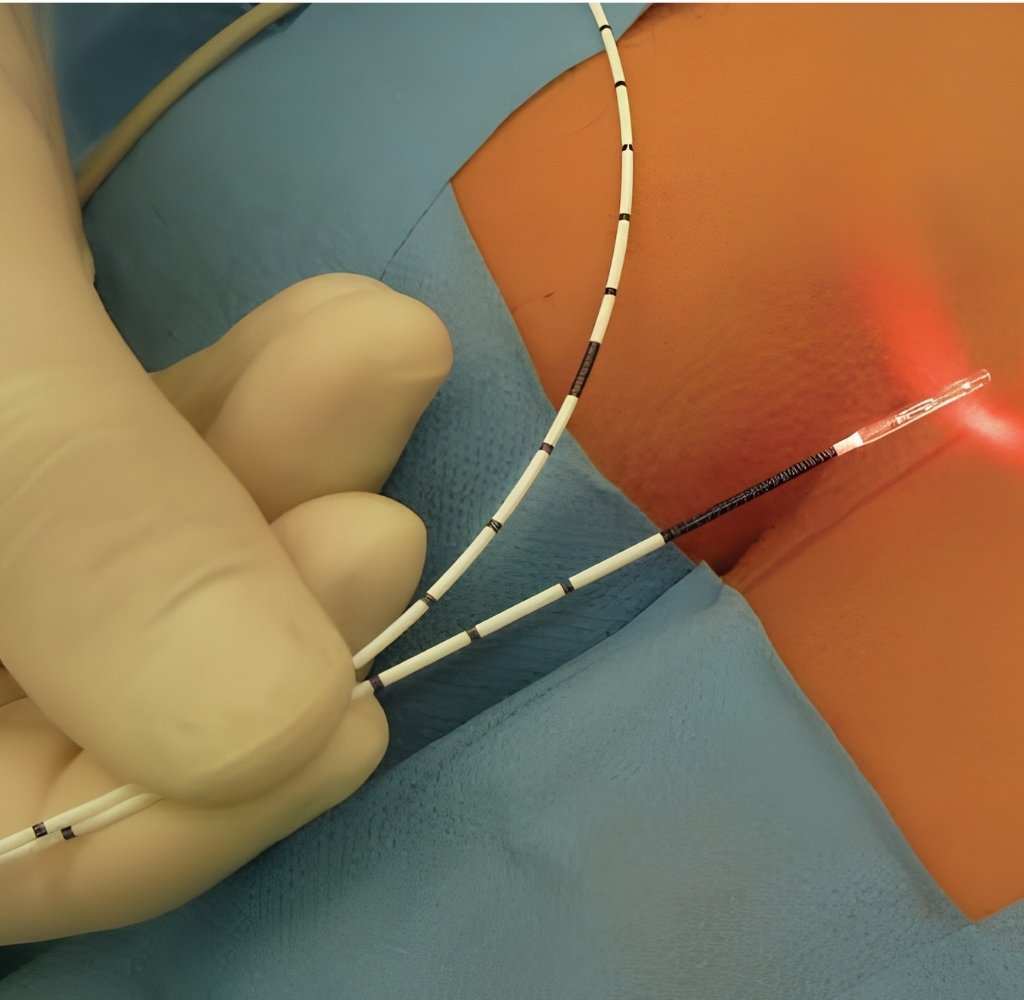
Laser Anal Fissure Treatment is generally performed under appropriate anaesthesia, with the patient positioned to allow access to the anal canal. The surgeon examines the fissure and identifies the affected tissue before using controlled laser energy on the selected area. Depending on the technique and findings, the fissure surface or associated chronic tissue may be treated to encourage healing while limiting injury to surrounding tissue. If significant internal sphincter spasm or another anorectal condition is present, a different or additional treatment may be considered. The treated area is checked before the procedure is completed, and the patient is monitored during the initial recovery period.
Fissure Treatment Without Surgery
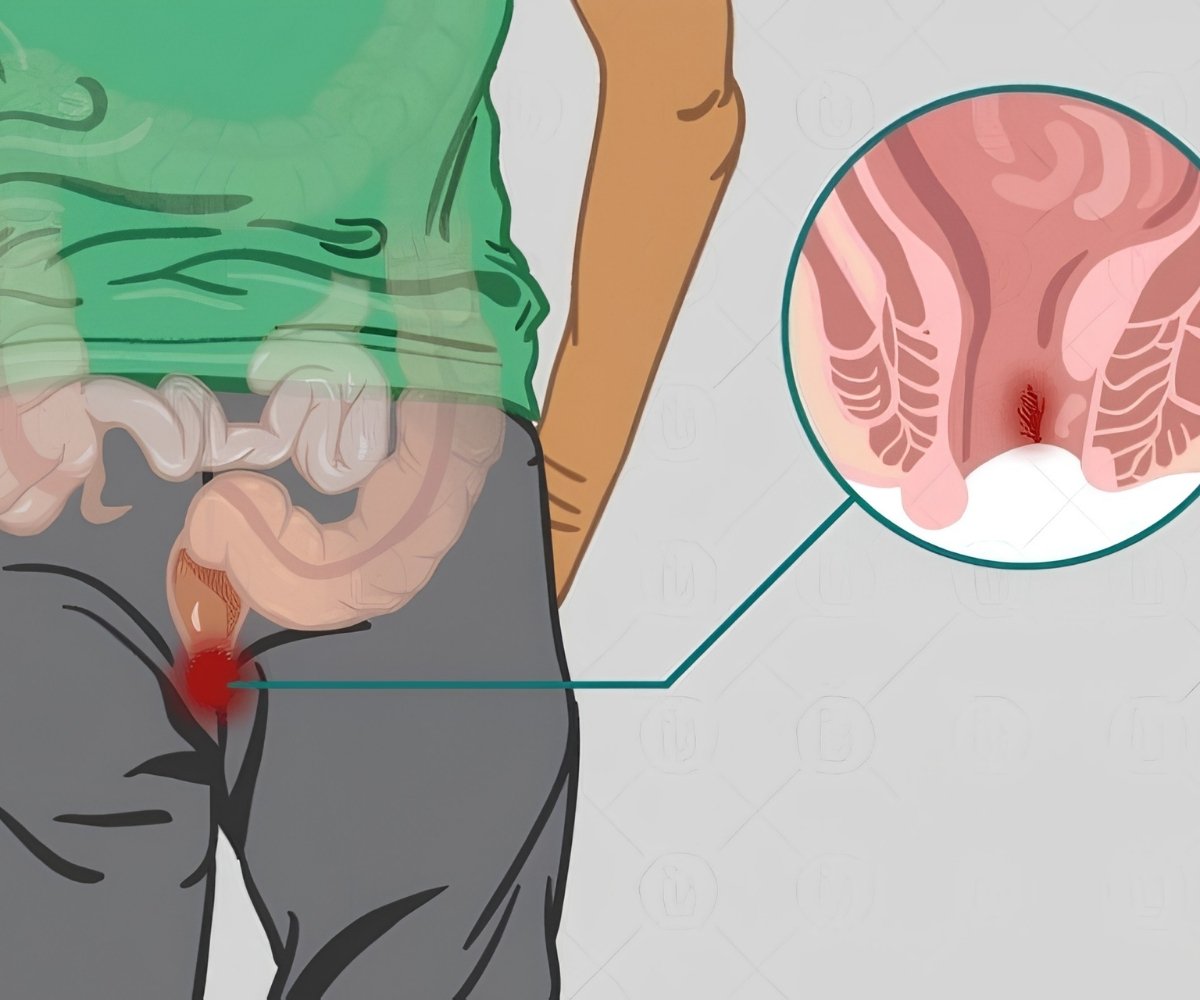
Not every anal fissure requires a surgical procedure. Acute fissures, particularly those related to constipation or hard stools, may improve with measures that reduce trauma during bowel movements and allow the fissure to heal. Depending on the individual’s symptoms, non-surgical management may include:
01. Increasing dietary fibre or using prescribed fibre supplements
02. Drinking adequate fluids to maintain softer stools
03. Using stool-softening medicines when advised
04. Avoiding straining during bowel movements
05. Taking warm sitz baths to reduce discomfort and muscle spasm
06. Using prescribed topical medicines that help relax the anal sphincter and support healing
Laser Anal Fissure Treatment Recovery Time
Recovery after Laser Anal Fissure Treatment varies according to the technique used, the extent of the fissure and the individual’s healing response. A typical recovery may include:
First 24 Hours
Monitoring for discomfort, bleeding and urination, with pain-relief measures as required.
First Few Days
Mild soreness or discomfort may occur, particularly during bowel movements.
First Week
Walking and light daily activities can usually be resumed gradually while keeping stools soft.
Following Weeks
Pain and bleeding should gradually reduce as the treated area heals.
Returning to Exercise
Strenuous exercise and heavy lifting should be resumed only after appropriate healing and medical advice.
Follow-Up
A review may be advised to assess fissure healing, bowel habits and symptom improvement.
FAQs About Laser Anal Fissure Treatment
Is Laser Anal Fissure Treatment painful?
The procedure is performed with appropriate anaesthesia, so pain is controlled during treatment. Some soreness or discomfort may occur during the initial healing period.
How long does Laser Anal Fissure Treatment take?
The procedure is generally relatively short, although the duration depends on the fissure, associated tissue changes and the treatment technique selected.
Can an anal fissure come back after treatment?
Recurrence is possible, particularly when constipation, hard stools or repeated straining continue. Maintaining healthy bowel habits can help reduce the chance of recurrence.
Can an anal fissure heal without surgery?
Yes. Many acute fissures improve with fibre, fluids, stool-softening measures, warm baths and prescribed medicines. Persistent or chronic fissures may require a procedure.
How do I know if my fissure has become chronic?
A fissure that continues or repeatedly returns over an extended period may be considered chronic. Examination may also show scar tissue, a sentinel skin tag or other chronic changes.
When should I see a doctor for an anal fissure?
Persistent anal pain, recurrent bleeding, pain after bowel movements or symptoms that do not improve with conservative measures should be evaluated by a colorectal or general surgeon.
Get Your Anal Fissure Evaluated
An assessment can determine whether conservative treatment is sufficient or whether a procedure such as Laser Anal Fissure Treatment should be considered. Book an Appointment for Anal Fissure Treatment.