
Laparoscopic GI Surgery in Ahmedabad
What Is Laparoscopic GI Surgery?
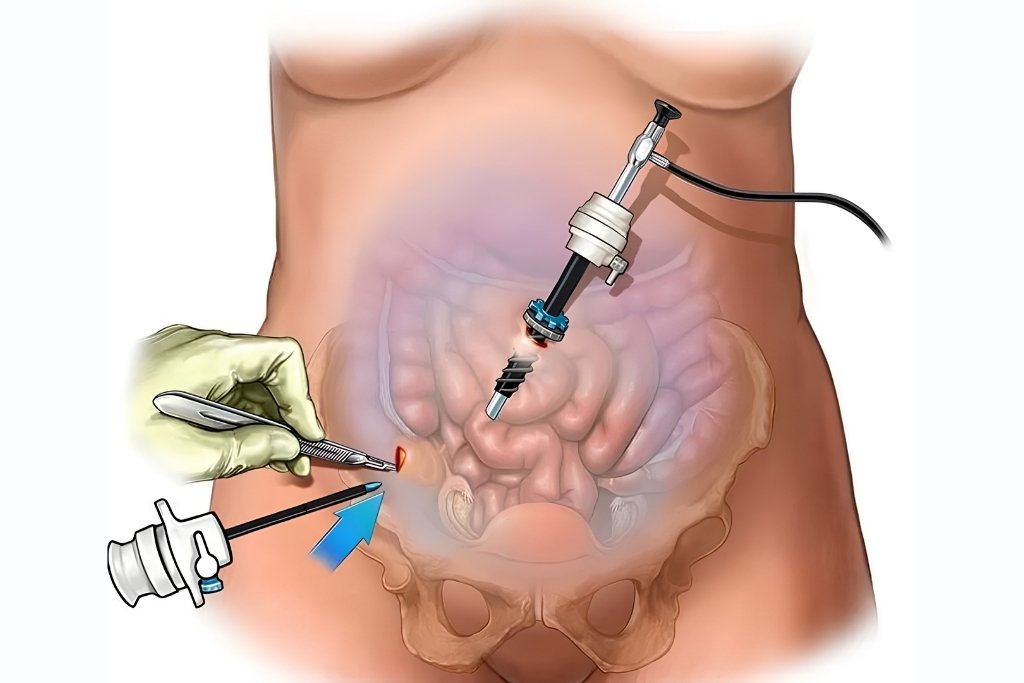
Laparoscopic GI Surgery refers to minimally invasive operations performed on the gastrointestinal tract and related abdominal organs through small surgical incisions. Depending on the condition, laparoscopic surgery may involve the stomach, small intestine, large intestine, oesophagus or other structures within the abdomen.
During Laparoscopic GI Surgery, a camera is introduced through a small incision to provide a magnified view of the operative area. Specialised instruments are inserted through additional small openings, allowing the surgeon to perform procedures such as removing diseased tissue, treating a blockage, repairing a problem or removing part of an affected organ.
The exact operation depends on the diagnosis. Laparoscopic GI procedures may be used for selected benign conditions, gastrointestinal cancers, bowel problems, inflammatory conditions and other abdominal disorders where minimally invasive access is appropriate.
When Is Laparoscopic GI Surgery Considered?
Laparoscopic GI Surgery may be considered when a gastrointestinal condition requires an operation and minimally invasive access is suitable for the patient’s anatomy and surgical requirements.
01. Gallbladder Conditions
Selected gallbladder disorders requiring surgical removal
02. Bowel Conditions
Selected diseases affecting the small or large intestine
03. Intestinal Obstruction
Certain blockages requiring operative management
04. Stomach Disorders
Conditions requiring surgical treatment of the stomach
05. GI Tumours
Surgical removal of selected gastrointestinal tumours
06. Recurrent Abdominal Problems
Conditions requiring surgical evaluation or correction
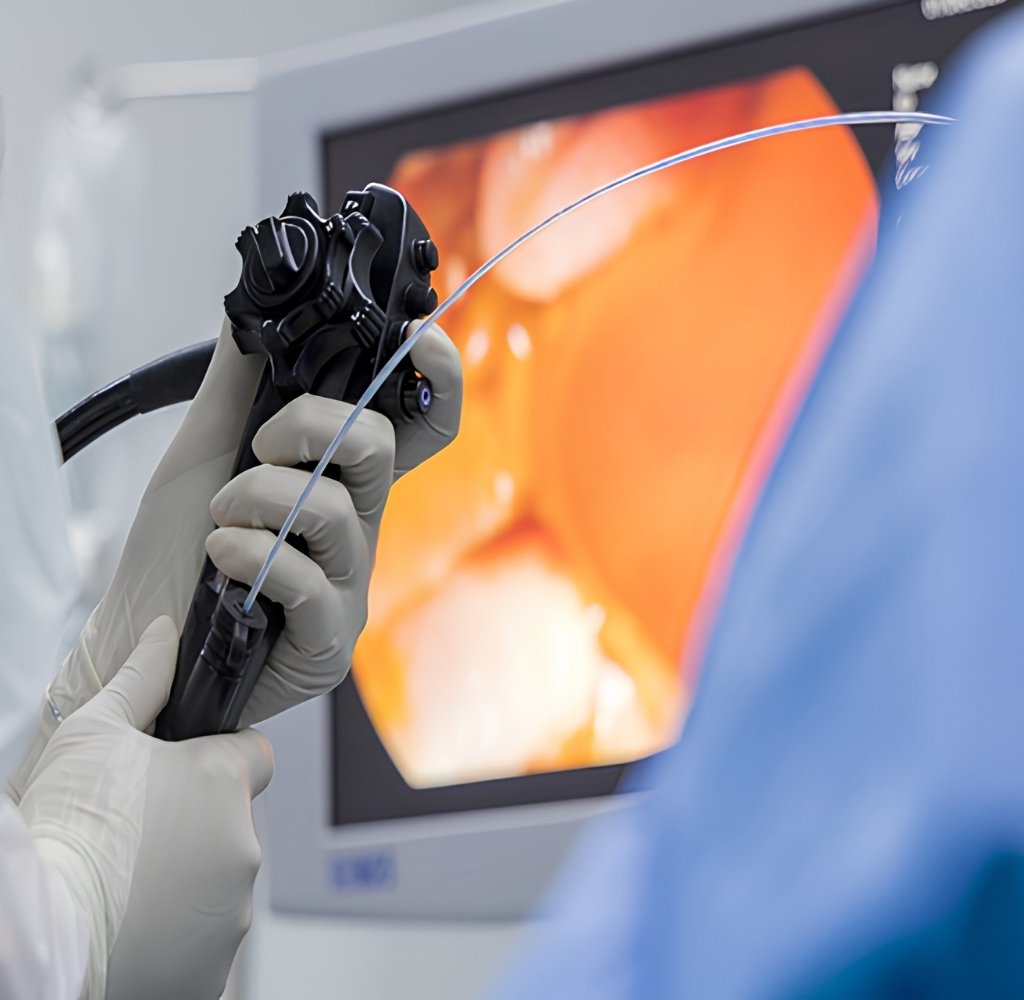
The surgical plan depends on the affected organ, disease extent, previous abdominal operations and overall health. Imaging, endoscopy, blood tests and other investigations may be required before deciding whether laparoscopic surgery is appropriate.
How Is Laparoscopic GI Surgery Performed?
Laparoscopic GI Surgery is generally performed under general anaesthesia through several small abdominal incisions. A camera is introduced to provide a magnified view of the gastrointestinal structures, while specialised instruments are inserted through additional access points. The surgeon carefully identifies the affected area and separates the relevant tissues while protecting important blood vessels and surrounding structures. Depending on the condition, the procedure may involve removing diseased tissue or an affected organ, dividing and reconnecting sections of the intestine, repairing a defect or removing a tumour along with the necessary surrounding tissue. The surgical area is checked before the instruments are removed and the small incisions are closed. In more complex cases, the procedure may need to be modified or converted to an open operation if this provides a safer or more appropriate surgical approach.
Benefits of Laparoscopic GI Surgery
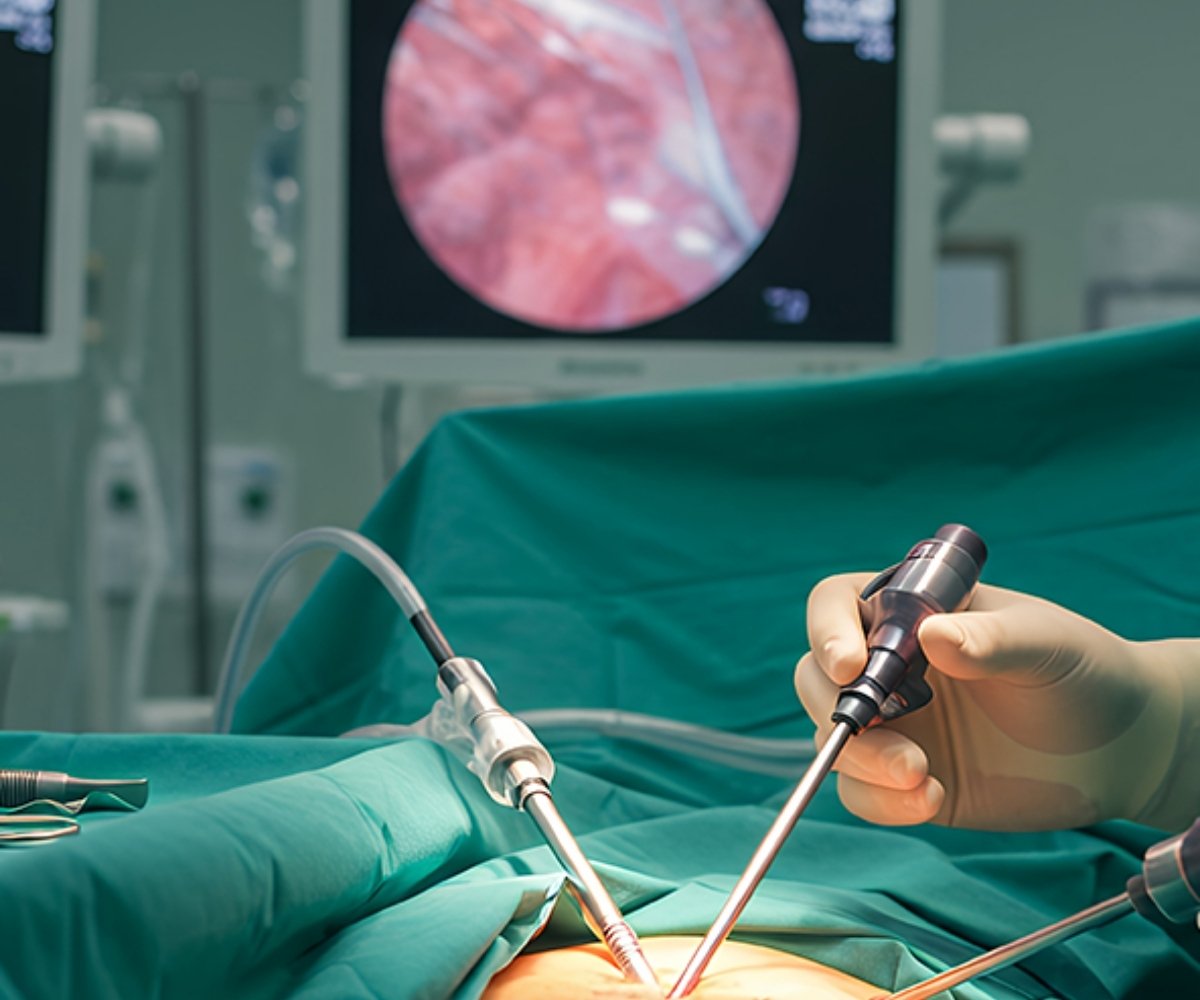
These advantages depend on the type and complexity of the operation. Open surgery may still be more appropriate for some advanced, extensive or technically difficult gastrointestinal conditions. When appropriate for the condition, laparoscopic access can allow gastrointestinal surgery to be performed without a large abdominal incision. Potential advantages include:
01. Small Surgical Incisions
Uses several small access points instead of one larger abdominal incision.
02. Magnified Visualisation
The laparoscopic camera provides a detailed view of the operative anatomy.
03. Controlled Dissection
Specialised instruments allow careful separation of tissues around the affected area.
04. Less Abdominal Wall Trauma
Smaller incisions limit the extent of disruption to the abdominal wall.
Laparoscopic GI Surgery Recovery Time
Recovery after Laparoscopic GI Surgery varies significantly because gastrointestinal procedures can range from relatively straightforward operations to complex bowel or tumour surgery.
First 24 Hours
Monitoring, pain control and early movement begin after surgery. The timing of drinking fluids and eating depends on the procedure performed.
First Few Days
Walking is gradually increased, while diet is advanced according to bowel function and the type of surgery. Incision sites are monitored during this period.
First Week
Patients continue increasing daily activity as strength returns. Dietary instructions may vary depending on the gastrointestinal procedure.
Following Weeks
Energy levels and physical activity generally improve gradually. More extensive bowel or stomach procedures may require a longer recovery period.
Returning to Exercise
Walking is encouraged early, while strenuous exercise and heavy lifting are resumed progressively after appropriate medical advice.
Follow-Up
Follow-up appointments help assess wound healing, digestion, bowel function, nutritional needs and recovery from the specific gastrointestinal procedure.
FAQs About Laparoscopic GI Surgery
What conditions can be treated with Laparoscopic GI Surgery?
It can be used for selected conditions involving the stomach, small intestine, large intestine, oesophagus and other abdominal organs. The exact procedure depends on the diagnosis and surgical requirements.
How do I know whether laparoscopic or open surgery is required?
The decision depends on the disease, its extent, previous abdominal surgery, anatomy and the complexity of the planned procedure. These factors are assessed before surgery.
How soon can I eat after Laparoscopic GI Surgery?
The timing depends on the type of gastrointestinal operation and how quickly normal digestive function returns. Fluids and food are usually introduced progressively according to the surgical plan.
Will I need to stay in the hospital after Laparoscopic GI Surgery?
Hospital stay varies according to the operation performed and recovery progress. A straightforward procedure may require a shorter stay, while major bowel or stomach surgery generally requires closer postoperative monitoring.
Is Laparoscopic GI Surgery suitable for gastrointestinal cancer?
Selected gastrointestinal cancers can be treated using laparoscopic surgery when the tumour location, stage and required operation make minimally invasive surgery appropriate.
Can laparoscopic GI surgery be converted to open surgery?
In some cases, conversion may be required if the anatomy, bleeding, adhesions, disease extent or other findings make open surgery safer or more appropriate. This decision is made during the operation based on surgical findings.
Laparoscopic GI Surgery : Choosing the Surgical Approach
Book a consultation with Dr. Krunal K. Solanki at Sunshine Surgical Hospital, Ahmedabad, for an assessment of your gastrointestinal condition and discussion of the appropriate surgical options.