
Urology Treatment in Ahmedabad

Understanding Urology Treatment and Care
Urology involves the diagnosis and treatment of conditions affecting the urinary system and male reproductive organs. The kidneys produce urine, which passes through the ureters to the bladder and leaves the body through the urethra. Problems affecting any part of this system can lead to pain, obstruction, bleeding, infection or changes in urinary function.
Urology Treatment in Ahmedabad may range from medical management to minimally invasive procedures and complex urological surgery. Modern urology includes endoscopic, laser, laparoscopic and other minimally invasive techniques for selected conditions.
The appropriate treatment depends on the diagnosis rather than the symptom alone. A patient with urinary difficulty may have prostate enlargement, a urethral narrowing, a bladder problem or another underlying condition, each requiring a different treatment approach.
Urological Conditions We Treat
Urology covers a broad range of conditions affecting both men and women. Treatment is selected according to the organ involved, severity and underlying cause.
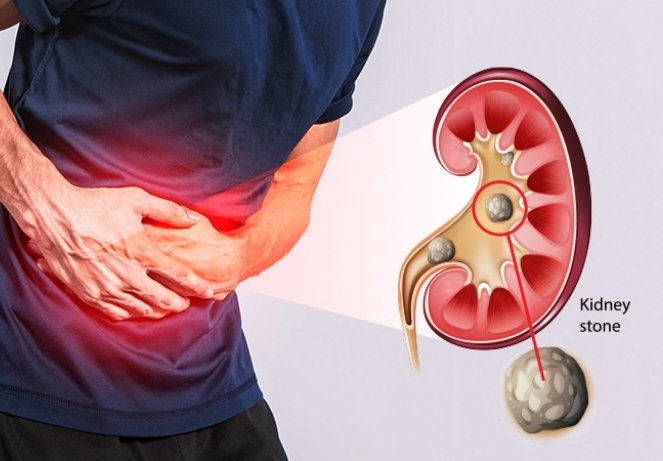
Kidney & Urinary Stones
Stones can develop in the kidneys, ureters or bladder and may cause severe pain, blood in the urine, nausea or urinary obstruction. Depending on their size and location, treatment may include medicines, stone fragmentation or endoscopic removal.
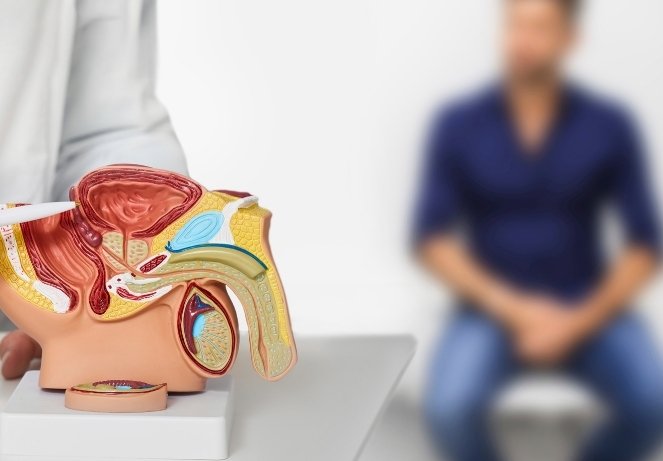
Enlarged Prostate
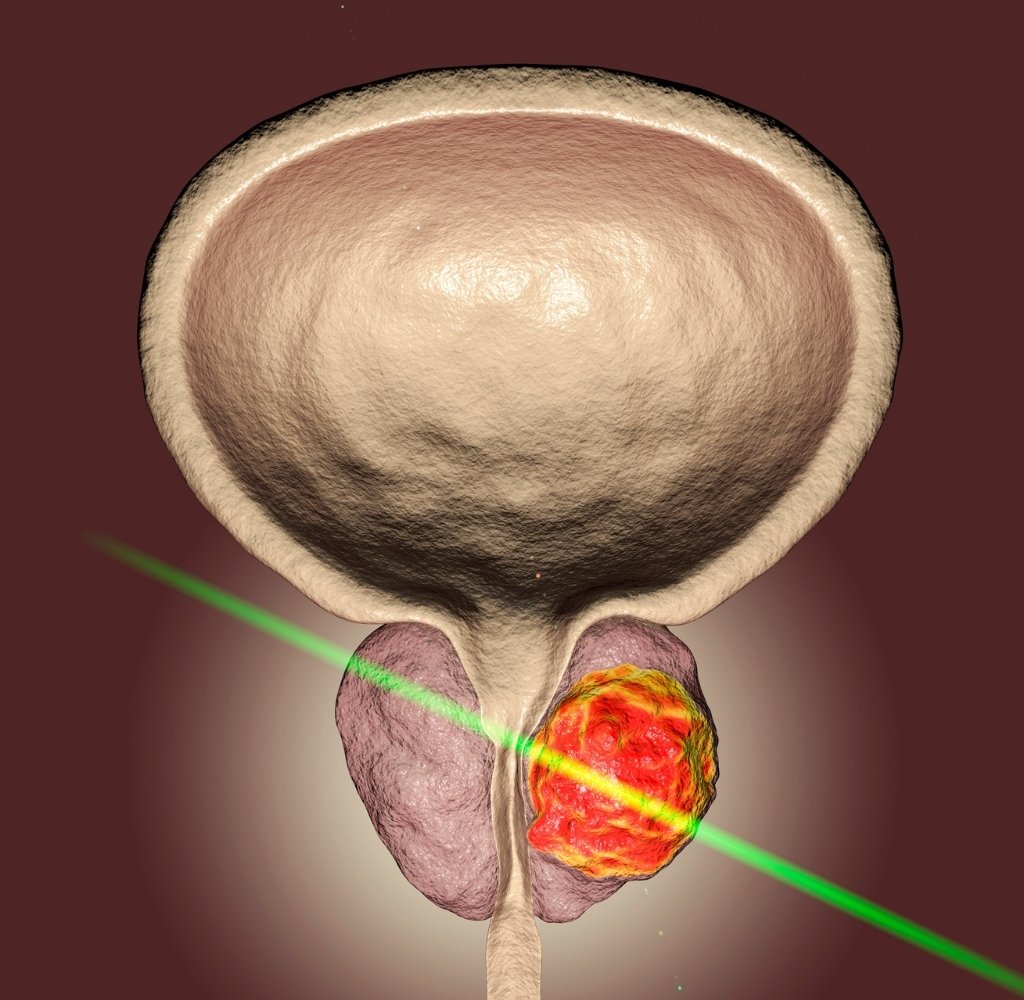
Benign prostate enlargement can narrow the urinary passage and cause frequent urination, weak urine flow, urgency or difficulty emptying the bladder. Treatment ranges from medicines to procedures such as endoscopic or laser prostate surgery.

Urinary Tract Disorders
Conditions involving the bladder, urethra and urinary tract may cause recurrent infections, urinary obstruction, leakage, difficulty passing urine or changes in bladder function.
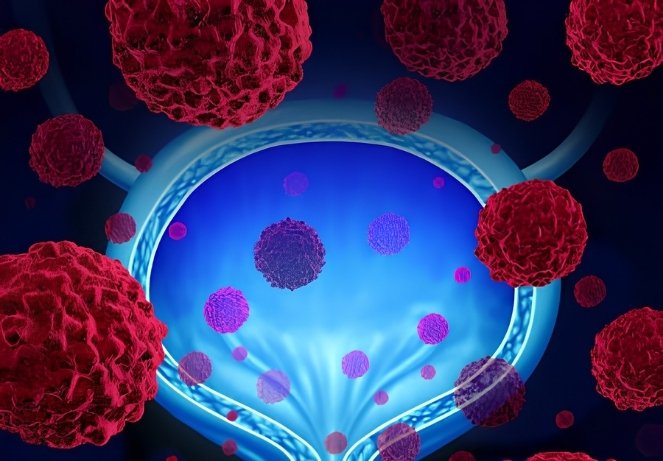
Urological Cancers
Cancers involving the kidney, bladder, prostate, ureter or other urinary structures may require a combination of imaging, biopsy, surgery, medicines and other cancer treatments depending on the disease.
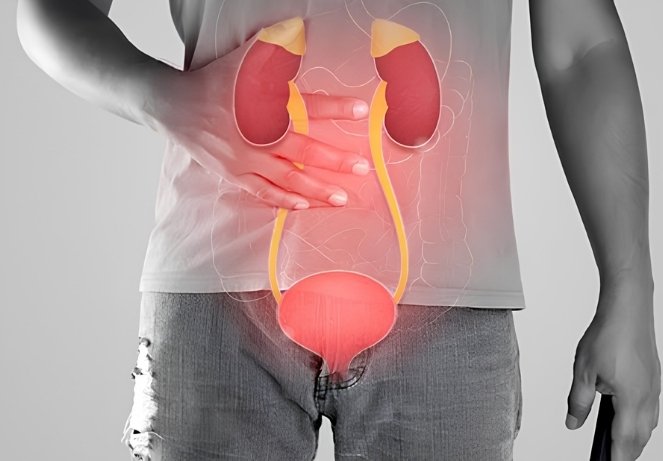
Urethral & Reconstructive Conditions
Urethral strictures and other structural abnormalities can interfere with urine flow. Selected conditions may require endoscopic treatment or reconstructive surgery.

Male Urological Conditions
Urology also covers selected conditions affecting male reproductive and sexual health, including certain causes of infertility, varicocele and other disorders requiring specialist assessment.
When Is Urology Treatment Needed?
Some urinary symptoms may be temporary, while others require investigation to identify the underlying cause. A urological evaluation may be appropriate when:
01. Urinary Pain Persists
Burning, pelvic discomfort or pain during urination continues or repeatedly returns.
02. Urine Flow Changes
Weak flow, difficulty starting urination or incomplete bladder emptying develops.
03. Blood Appears in Urine
Visible or persistent blood in the urine requires appropriate medical evaluation.
04. Stones Cause Symptoms
Kidney or ureteric stones cause pain, obstruction, infection or urinary problems.
05. Prostate Symptoms Increase
Frequent or night-time urination or difficulty passing urine becomes troublesome.
06. Infections Recur
Repeated urinary infections may require evaluation for an underlying structural or functional problem.
Sudden severe flank pain, inability to pass urine, fever with urinary symptoms or significant blood in the urine requires prompt medical assessment.
From Urological Evaluation to Treatment Planning
The urologist reviews symptoms such as pain, urinary frequency, urgency, weak flow, blood in urine or changes in sexual or reproductive function.
Physical examination may provide information about the abdomen, urinary system or prostate depending on the symptoms and suspected condition.
Urine tests, blood tests, ultrasound, CT, MRI, uroflowmetry, urodynamics or other investigations may be recommended according to the condition.
The findings are reviewed to determine whether the symptoms are related to stones, infection, prostate enlargement, obstruction, cancer or another urological disorder.
Treatment may involve medicines, observation, endoscopic procedures, laser treatment, laparoscopic surgery or other interventions depending on the diagnosis.
Follow-up helps assess symptom improvement, urinary function, stone clearance, healing and the need for additional treatment.
Common Urology Procedures
Modern urology includes several minimally invasive and surgical approaches. The appropriate procedure depends on the condition and its anatomical location.
RIRS
Endoscopic treatment of selected kidney and ureteric stones using a flexible scope.
PCNL
Removal of larger or complex kidney stones through a small access tract.
URS
Endoscopic treatment of ureteric stones using a scope passed through the urinary passage.
Laser Prostate Surgery
Uses laser energy to remove obstructing prostate tissue in selected patients with prostate enlargement.
TURP
Endoscopic removal of obstructing prostate tissue for selected cases of benign prostate enlargement.
FAQs About Urology Treatment
When should I see a urologist?
A urological consultation may be appropriate for persistent urinary difficulty, blood in urine, recurrent infections, kidney stones, weak urine flow, prostate symptoms or other ongoing urinary concerns.
Can kidney stones be treated without surgery?
Some small stones may pass naturally with appropriate medical management. Larger stones, persistent obstruction, infection or stones unlikely to pass may require a procedure.
What is RIRS used for?
RIRS is an endoscopic procedure used to reach and treat selected kidney and upper urinary tract stones. Laser energy can be used to fragment stones before they are removed or allowed to pass.
When is prostate surgery required?
Prostate surgery may be considered when symptoms are significant, medicines are insufficient or complications such as recurrent retention, infections or other forms of urinary obstruction develop.
Is urology surgery always minimally invasive?
No. Many urological conditions can be treated through endoscopic, laser or laparoscopic techniques, but open or more extensive surgery may still be necessary for selected complex conditions.
How long does recovery take after urology surgery?
Recovery depends on the procedure. Many endoscopic procedures allow relatively early return to routine activities, while major reconstructive, cancer or open operations require a longer recovery period.
Discuss Your Urological Treatment Options
At Sunshine Surgical Hospital, Urology Treatment in Ahmedabad is planned according to the diagnosis, symptoms, investigation findings and overall treatment requirements. Appropriate evaluation helps determine whether medical management or a surgical procedure is needed.