
Dermatology Treatment in Ahmedabad
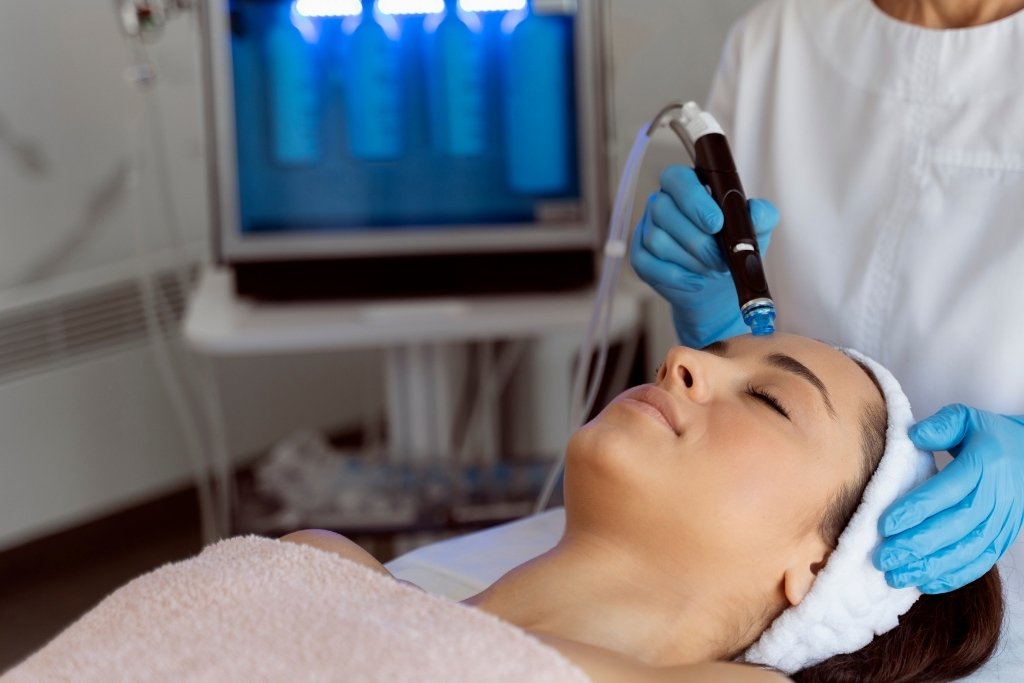
Understanding Dermatology and Skin Care
Dermatology covers the diagnosis and treatment of conditions affecting the skin, hair, scalp and nails. Common concerns include acne, pigmentation, eczema, psoriasis, fungal infections, hair loss, dandruff, allergic skin reactions and various types of skin growths.
Dermatology Treatment in Ahmedabad is selected according to the specific condition rather than treating every skin concern in the same way. A dermatologist may assess the appearance and distribution of the condition, review its duration and triggers, examine the affected area and recommend further testing when required.
Skin care is also part of long-term management. Appropriate cleansing, moisturisation, sun protection and avoidance of known irritants may help support treatment and reduce recurrence for certain conditions.
Skin, Hair & Nail Conditions We Treat
Dermatology involves a wide range of medical and cosmetic concerns. The appropriate treatment depends on the condition, severity and underlying cause.
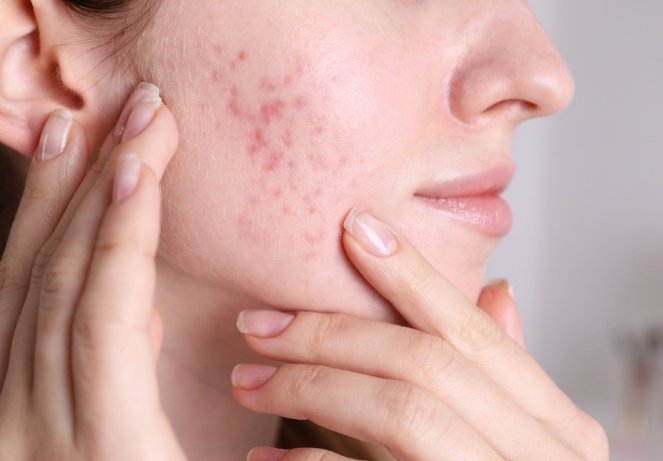
Acne & Acne Scars
Acne can involve blackheads, whiteheads, inflammatory pimples, nodules and cysts. Treatment may include topical medicines, oral medication, procedures and measures to reduce the risk of scarring.
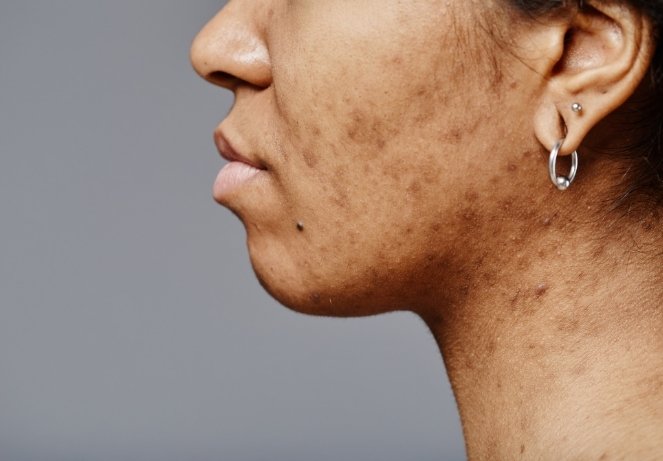
Pigmentation & Uneven Skin Tone
Dark spots, melasma, post-inflammatory pigmentation and other changes in skin colour can have different causes. Treatment depends on the type and depth of pigmentation.
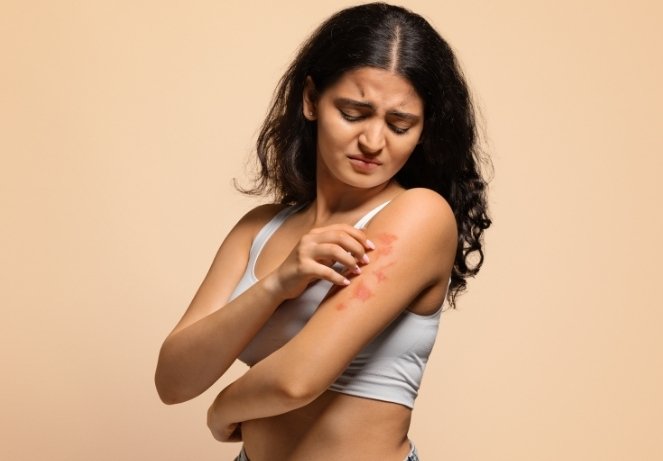
Eczema & Psoriasis
Inflammatory skin conditions can cause dryness, redness, itching, scaling or recurring flare-ups. Management may involve topical treatment, medicines and measures to control known triggers.
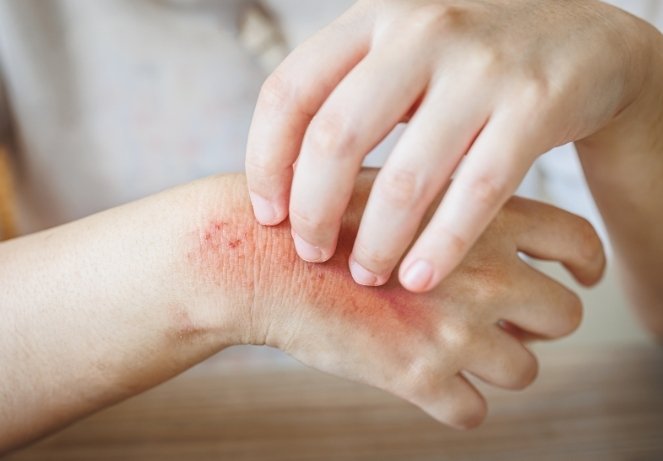
Fungal & Other Skin Infections
Fungal infections and other infectious skin conditions can affect different areas of the body. Correct diagnosis is important because treatment differs according to the organism and location.
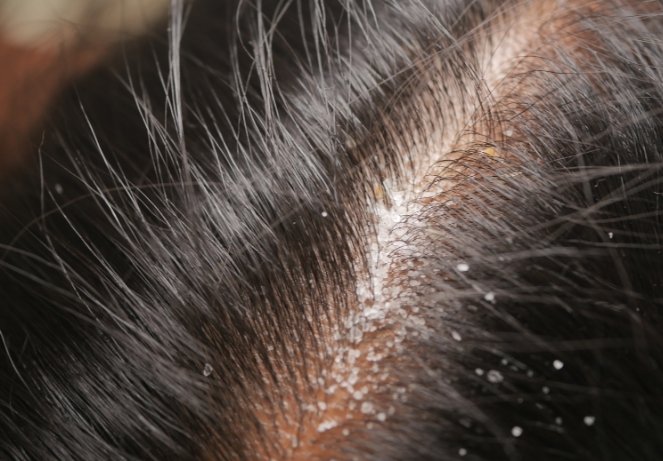
Hair & Scalp Concerns
Hair loss, dandruff, scalp inflammation and other disorders may require examination of the scalp and assessment of possible nutritional, hormonal, genetic or inflammatory factors.
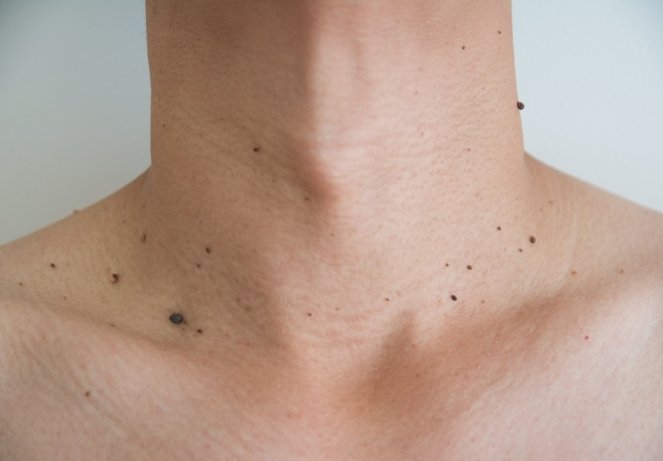
Moles, Warts & Skin Growths
Moles, warts, cysts and other skin growths may require observation, medicines or removal depending on their appearance, symptoms and clinical assessment.
When Should You Seek Dermatology Treatment?
Many skin problems can be managed effectively when the underlying condition is identified early. A dermatology consultation may be appropriate when:
01. Skin Changes Persist
A rash, patch, scaling or other skin change does not settle with routine care.
02. Itching Continues
Ongoing itching, redness or irritation interferes with sleep or daily activities.
03. Pigmentation Changes
New or persistent dark, light or unevenly coloured areas develop on the skin.
04. Acne Keeps Returning
Persistent or recurrent acne begins causing inflammation, marks or scarring.
05. Hair Loss Increases
Noticeable shedding, thinning or patchy hair loss continues over time.
06. A Growth Changes
A mole, wart or other skin growth changes in size, shape, colour or symptoms.
Some skin conditions may look similar but require very different treatments, making clinical evaluation important before starting prolonged self-treatment.
From Skin Evaluation to Treatment Planning
The dermatologist examines the affected skin, scalp or nails and assesses features such as colour, texture, scaling, distribution and inflammation.
Information about duration, previous episodes, medications, allergies, products used and possible triggers can help narrow down the diagnosis.
Some conditions may require a skin scraping, allergy testing, blood investigations, dermoscopy or a biopsy when the diagnosis is uncertain.
The treatment plan is based on whether the condition is inflammatory, infectious, allergic, hormonal, autoimmune, genetic or related to another underlying factor.
Treatment may involve creams, ointments, cleansers, oral medicines, injections or dermatological procedures depending on the diagnosis.
Some conditions improve within a short period, while chronic skin disorders, acne, pigmentation and hair concerns may require continued treatment and follow-up.
Common Dermatology Treatments
The choice of treatment depends on the condition being addressed and how extensively it has affected the skin or scalp. Not every treatment is appropriate for every skin type or condition. The treatment plan should follow an accurate diagnosis and assessment.
Topical Treatment
Acne, eczema, psoriasis, infections, pigmentation and other localised skin conditions.
Oral Medicines
Selected inflammatory, infectious, allergic and severe dermatological conditions.
Procedural Treatment
Certain moles, warts, cysts, skin growths, scars and other conditions requiring intervention.
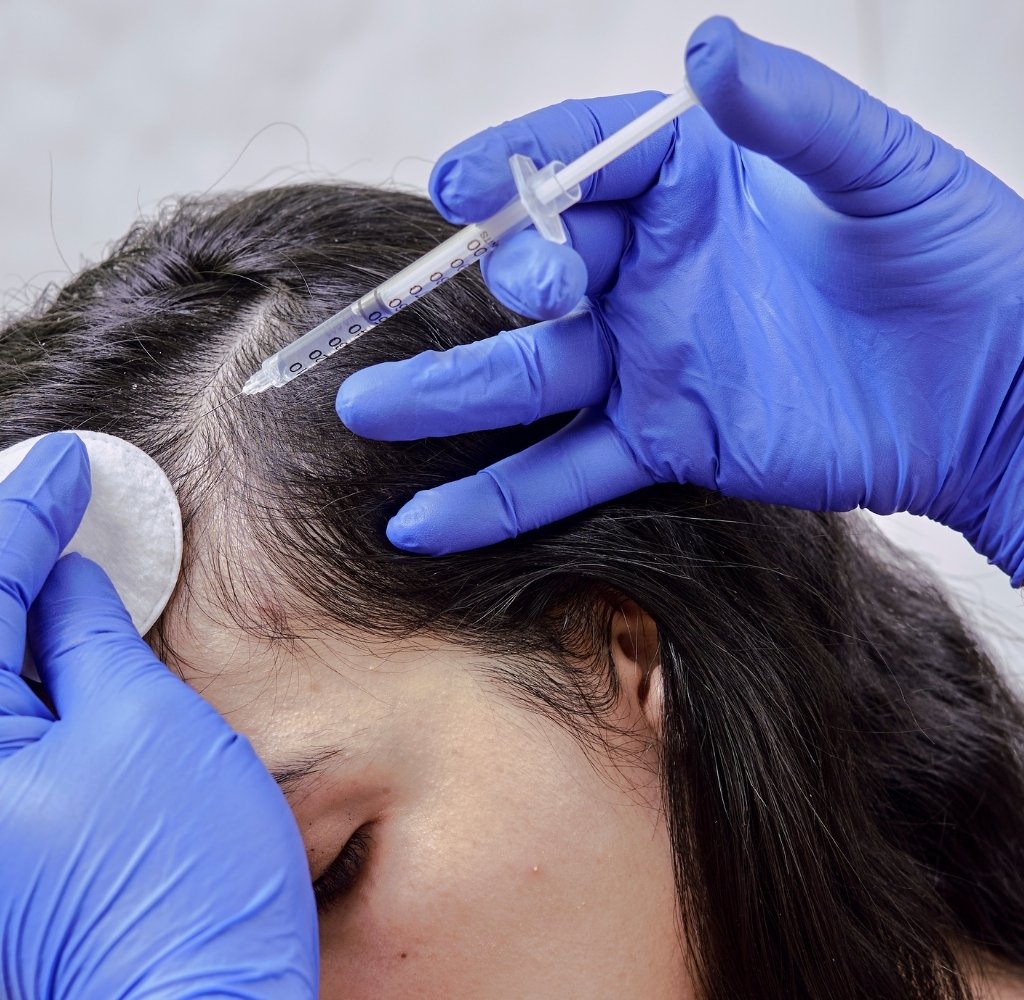
Hair & Scalp Treatment
Hair loss, dandruff, scalp inflammation and selected disorders affecting hair growth.
Scar & Pigmentation Care
Selected acne scars, pigmentation and uneven skin texture depending on their cause.
Long-Term Skin Management
Chronic conditions that require maintenance treatment and monitoring over time.
FAQs About Dermatology Treatment
When should I see a dermatologist?
A dermatology consultation may be appropriate for persistent rashes, acne, itching, pigmentation, hair loss, recurring infections, unusual skin growths or other skin changes that do not improve with routine care.
Can acne be treated without leaving scars?
Early and appropriate acne treatment can help control inflammation and reduce the risk of scarring. The treatment depends on the severity and type of acne.
What can cause excessive hair loss?
Hair loss can result from genetics, hormonal changes, nutritional deficiencies, illness, medications, scalp disorders and other factors. Identifying the cause is important before selecting treatment.
Can pigmentation be completely removed?
The response depends on the type, depth and cause of pigmentation. Treatment may improve pigmentation, but some conditions require long-term management and sun protection to reduce recurrence.
Do skin infections always require oral medicines?
No. Some infections can be treated with topical medicines, while others may require oral treatment. The appropriate therapy depends on the type and extent of infection.
How long does dermatology treatment take to show results?
The timeline varies considerably. Some infections and inflammatory conditions may improve within weeks, while acne, pigmentation, hair loss and chronic skin conditions may require longer treatment and follow-up.
Discuss Your Skin or Hair Concern
At Sunshine Surgical Hospital, Dermatology Treatment in Ahmedabad can be planned according to the diagnosis, severity and specific treatment requirements. An appropriate evaluation helps determine whether medicines, procedures, skin-care measures or ongoing follow-up are needed.