
Minimally Invasive Proctology in Ahmedabad
What Is Minimally Invasive Proctology?
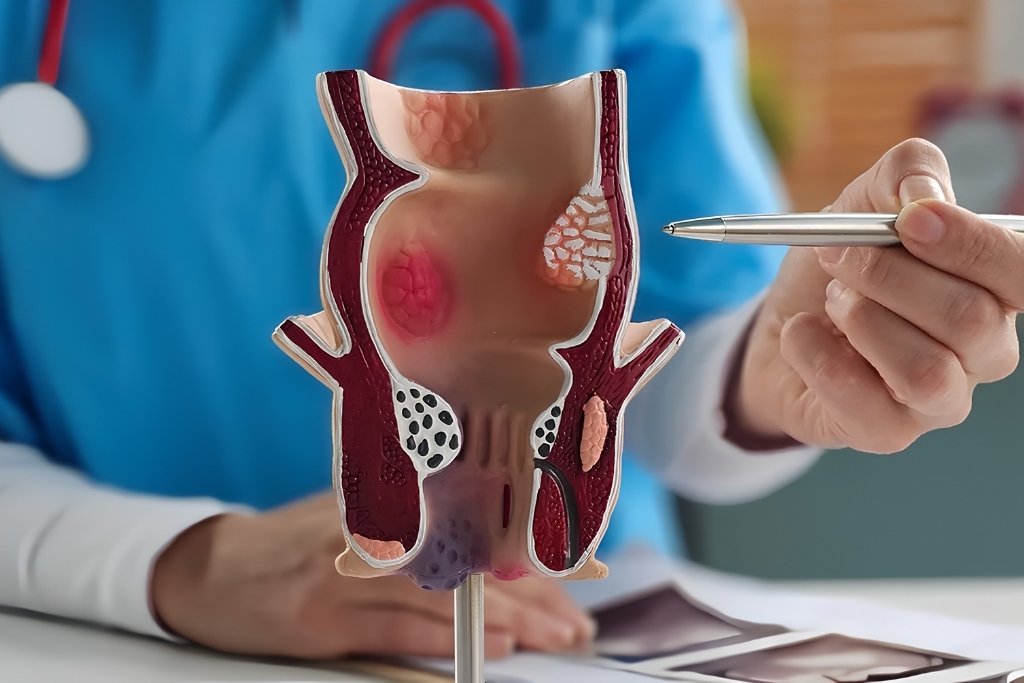
Minimally Invasive Proctology refers to a range of procedures designed to treat anorectal conditions through smaller treatment areas and techniques that limit unnecessary tissue disruption. It may be used for selected cases of piles, anal fissure, fistula-in-ano, pilonidal disease and other proctological conditions.
Depending on the condition, treatment may involve laser energy, specialised instruments or other focused surgical techniques. The aim is to address the underlying problem while limiting damage to surrounding healthy tissue.
For patients considering Minimally Invasive Proctology in Ahmedabad, the treatment is selected after identifying the exact anorectal condition and assessing its severity.
When Is Minimally Invasive Proctology Considered?
Minimally invasive techniques may be considered when an anorectal condition requires a procedure but can be appropriately treated without extensive tissue removal. Common situations include:
01. Symptomatic Piles
Persistent bleeding, prolapse or discomfort that does not respond adequately to conservative measures.
02. Fistula-in-Ano
Selected fistulas where a minimally invasive or sphincter-conscious technique may be appropriate.
03. Recurrent Conditions
Previously treated anorectal problems that require reassessment and another intervention.
04. Anal Fissure
Chronic or recurrent fissures requiring procedural treatment after appropriate medical management.
05. Pilonidal Disease
Limited or selected pilonidal sinuses that can be managed through a minimally invasive approach.
06. Persistent Symptoms
Ongoing pain, bleeding, swelling or discharge that requires definitive evaluation and treatment.
Not every anorectal condition is suitable for a minimally invasive approach. The choice depends on the condition, its extent and the patient’s individual anatomy.
Minimally Invasive vs Traditional Proctology Surgery
Minimally invasive and traditional procedures can both have an important role in treating anorectal disease. The appropriate approach depends on the condition and its severity.
|
Feature
|
Minimally Invasive Proctology
|
Traditional Proctology Surgery
|
|---|---|---|
|
Treatment Approach
|
Uses focused techniques designed to limit unnecessary tissue disruption.
|
May involve wider tissue removal or a more extensive surgical approach
|
|
Treatment Area
|
Generally targets the affected tissue or tract with limited surrounding tissue disruption.
|
May involve a larger surgical area depending on the condition being treated.
|
|
Postoperative Discomfort
|
May result in less wound-related discomfort in appropriately selected procedures.
|
Discomfort can vary depending on the extent and location of the surgical wound.
|
|
Recovery
|
Selected procedures may allow earlier return to routine activities
|
Recovery may take longer when more extensive tissue healing is required.
|
|
Suitable Cases
|
Best suited to conditions and disease patterns where limited intervention can achieve the required treatment.
|
May be necessary for advanced, extensive, recurrent or anatomically complex disease.
|
|
Treatment Selection
|
Depends on diagnosis, severity, anatomy and suitability for minimally invasive techniques.
|
Depends on the extent of disease and whether a more extensive procedure is required.
|
How Is Minimally Invasive Proctology Performed?
The procedure depends entirely on the anorectal condition being treated. After examination, the surgeon identifies the affected tissue, tract or area and selects an appropriate minimally invasive technique. Depending on the condition, laser energy, specialised instruments or focused surgical methods may be used to treat piles, fissures, fistulas, pilonidal disease or other anorectal problems. The procedure is performed under local, regional or general anaesthesia as appropriate. The treatment area is assessed before the procedure is completed, and wound care or other postoperative instructions are provided according to the technique used.
Benefits of Minimally Invasive Proctology
The benefits vary according to the procedure, disease severity and individual healing response. When clinically appropriate, minimally invasive techniques may offer several practical advantages:
01. Limited Tissue Disruption
Treatment focuses on the affected area while reducing unnecessary injury to surrounding tissue.
02. Smaller Treatment Area
Selected procedures can avoid the larger wounds associated with extensive surgical techniques.
03. Reduced Wound Discomfort
Less tissue disruption may result in less postoperative wound-related discomfort.
04. Earlier Mobilisation
Patients can generally begin walking and routine movement soon after suitable procedures.
Minimally Invasive Proctology Recovery Time
Recovery after Minimally Invasive Proctology depends on the condition treated and the specific technique used.
First 24 Hours
Monitoring for pain, bleeding, urination and any immediate postoperative concerns.
First Few Days
Mild soreness, swelling or local discomfort may occur as the treated area begins to heal.
First Week
Light daily activities can generally be resumed gradually, with bowel movements kept soft.
Following Weeks
Local healing continues, while symptoms related to the original condition should gradually improve.
Returning to Exercise
Strenuous exercise and heavy lifting should be resumed according to the procedure and healing progress.
Follow-Up
A review may be advised to assess healing and confirm that the underlying condition is responding appropriately.
FAQs About Minimally Invasive Proctology
Which conditions can be treated with Minimally Invasive Proctology?
Depending on the case, minimally invasive techniques may be used for piles, anal fissures, selected fistulas, pilonidal disease and other anorectal conditions.
Can fistula-in-ano be treated with a minimally invasive procedure?
Selected fistulas may be suitable for minimally invasive or sphincter-preserving techniques. The fistula’s tract and relationship with the anal sphincter must be assessed first.
How soon can I return to normal activities?
The recovery period varies according to the procedure and condition treated. Many suitable procedures allow gradual return to routine activities within a relatively short period.
Is Minimally Invasive Proctology the same as laser treatment?
No. Laser treatment is one type of minimally invasive technique. Other procedures may use specialised instruments or different surgical approaches depending on the condition.
Is minimally invasive treatment suitable for advanced piles?
It depends on the grade and degree of prolapse. Advanced or significantly prolapsed piles may require conventional surgery or another procedure after clinical assessment.
Is Minimally Invasive Proctology safe?
Minimally invasive procedures are established treatment options for selected anorectal conditions. As with any procedure, the risks and expected recovery depend on the specific treatment and individual health factors.
Find the Right Proctology Treatment in Ahmedabad
Minimally Invasive Proctology in Ahmedabad may offer an appropriate treatment route for selected conditions when the technique matches the disease and its anatomy. Book an Appointment for Minimally Invasive Proctology in Ahmedabad