
Complex Robotic Abdominal & Pelvic Surgery in Ahmedabad
What Is Robotic Surgery for Complex Abdominal Cases?
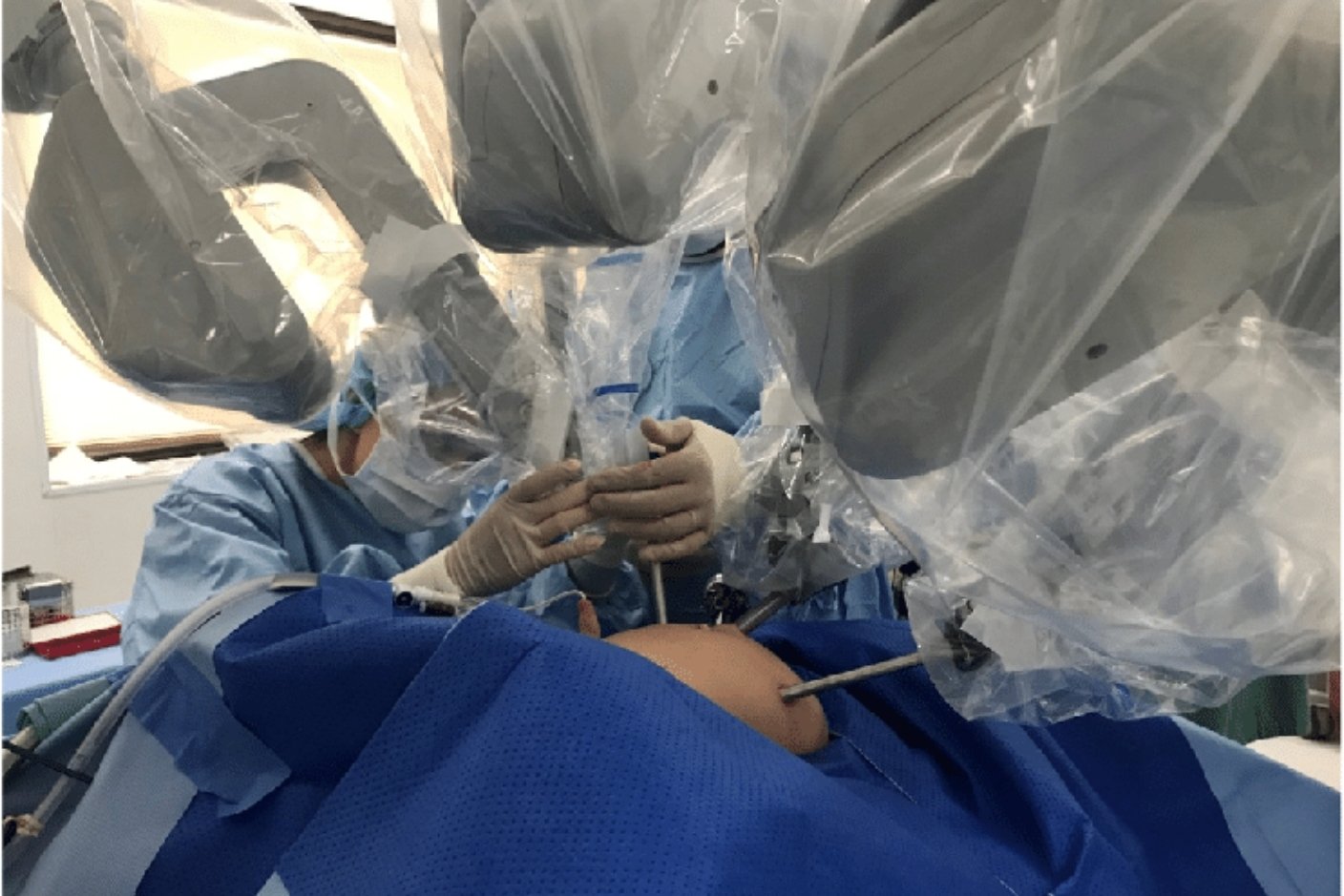
Complex abdominal and pelvic surgery involves conditions where the operation may require extensive dissection, work around important structures, removal of diseased tissue or reconstruction of organs and tissues. In selected cases, these procedures can be performed through a minimally invasive robotic approach.
Complex Robotic Abdominal Surgery uses a robotic surgical platform that allows the surgeon to operate through small incisions while viewing the operative field through a magnified three-dimensional camera. Articulated instruments provide controlled movement during detailed surgical work within the abdomen or pelvis.
Depending on the condition, surgery may involve removing a diseased organ or tissue, repairing an anatomical defect, removing a tumour, reconnecting sections of the gastrointestinal tract or reconstructing affected structures. The robotic system does not perform the procedure independently. The surgeon controls the instruments and camera throughout the operation, making decisions according to the disease, anatomy and findings during surgery. Because complex abdominal and pelvic procedures can vary considerably, the exact surgical approach is determined after detailed evaluation rather than using the same technique for every case.
When Is Robotic Surgery for Complex Abdominal Cases Considered?
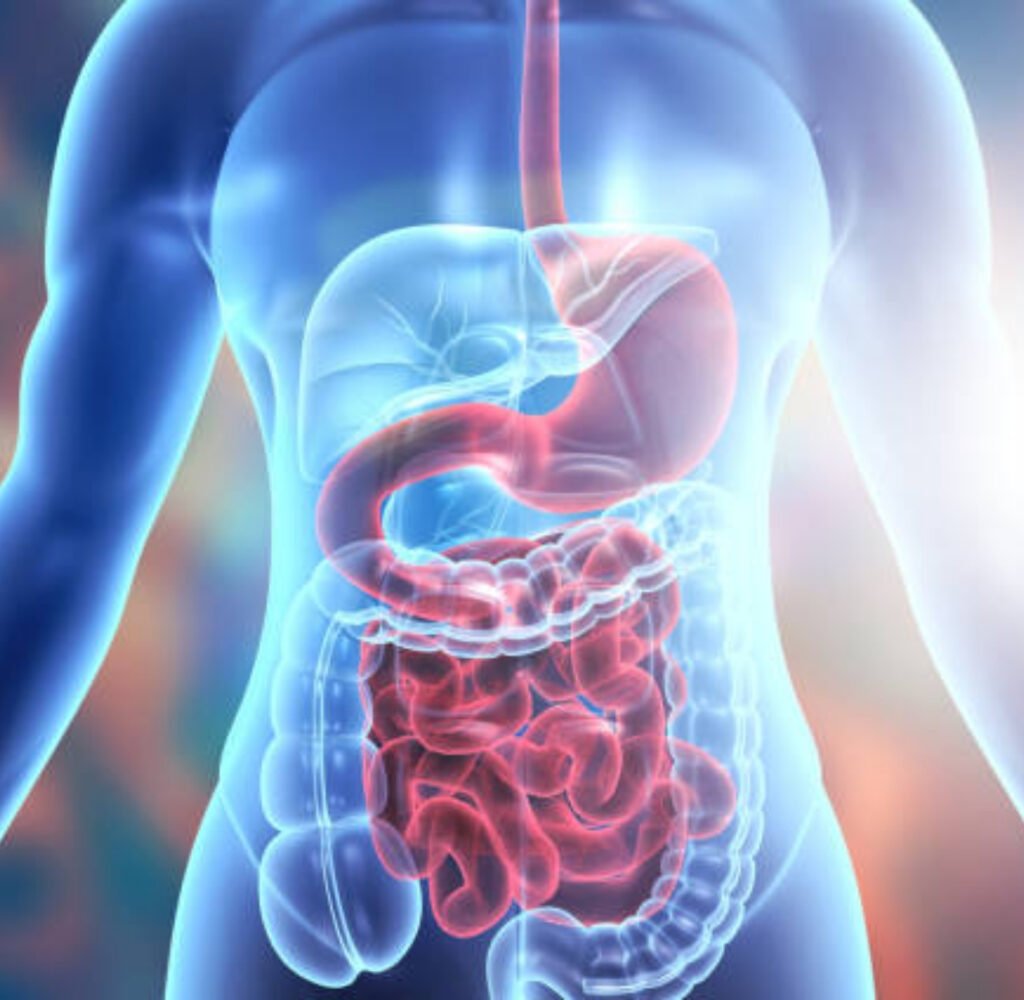
Robotic surgery may be considered when a complex abdominal or pelvic condition requires an operation and a minimally invasive approach can provide suitable access to the area involved. The decision depends on the location and extent of disease, previous operations, anatomical relationships and the reconstruction required. Complex Robotic Abdominal Surgery may be considered for selected cases involving:
01. Complex GI Conditions
Gastrointestinal disorders requiring extensive dissection, resection or reconstruction
02. Complex Reconstruction
Procedures requiring detailed suturing, organ reconstruction or restoration of normal anatomy
03. Recurrent Conditions
Problems that have returned following previous abdominal or pelvic surgery
04. Abdominal Tumours
Selected tumours requiring removal of affected tissue with appropriate surgical margins
05. Difficult Adhesions
Cases where previous abdominal operations have created significant internal scar tissue
06. Pelvic Conditions
Surgical conditions involving structures within the lower abdomen or pelvis
Before surgery, the condition is evaluated using clinical examination and relevant investigations. Depending on the case, this may include CT, MRI, ultrasound, endoscopy, blood investigations or other specialised tests.
How Is Robotic Surgery for Complex Abdominal Cases Performed?
Complex robotic procedures are performed under general anaesthesia. Several small abdominal incisions are made to introduce the robotic camera and instruments. The surgeon begins by examining the abdominal or pelvic cavity and identifying the structures involved in the planned operation. Previous surgical changes, adhesions and the relationship between the affected area and nearby organs are assessed. The robotic camera provides magnified three-dimensional visualization while the surgeon controls articulated instruments from the console. Depending on the condition, the operation may involve careful dissection, removal of diseased tissue, organ resection, lymph node removal, repair of a defect or gastrointestinal reconstruction. When a section of the digestive tract is removed, the remaining healthy portions may be reconnected when appropriate. Other procedures may require suturing, reconstruction or placement of additional surgical material according to the condition being treated. The operative area is carefully inspected before completing the procedure. The robotic instruments are removed and the small incisions are closed. The duration of Complex Robotic Abdominal Surgery varies considerably. Factors such as disease extent, previous surgery, adhesions, number of structures involved and the amount of reconstruction required can affect operating time. In some complex cases, the surgeon may determine during the operation that laparoscopic or open access is more appropriate to safely complete the procedure.
Recovery After Complex Robotic Surgery
Recovery after complex robotic abdominal or pelvic surgery depends heavily on the operation performed. A major gastrointestinal resection or reconstruction generally requires more recovery time than a less extensive procedure.
First 24 Hours
Patients are monitored after anaesthesia, with attention to pain control, fluid balance, urine output and other immediate postoperative parameters.
Early Hospital Recovery
Walking is encouraged progressively as tolerated. Depending on the procedure, fluids and food are introduced gradually as gastrointestinal function returns.
First Few Days
Abdominal discomfort, tiredness and temporary changes in bowel function can occur during the early healing period. The surgical team monitors recovery and dietary tolerance.
First Few Weeks
Light daily activities can be increased gradually while the abdominal tissues continue to heal. The exact pace depends on the extent of surgery.
Returning to Physical Activity
Walking can generally be increased progressively, while heavy lifting and strenuous exercise are introduced later according to the operation and healing.
Follow-Up
Follow-up appointments help assess wound healing, digestive or urinary function where relevant, pathology results when tissue has been removed and the overall recovery.
FAQs About Complex Robotic Abdominal Surgery
What types of conditions may require complex robotic abdominal surgery?
Selected gastrointestinal, abdominal and pelvic conditions may require complex surgery involving extensive dissection, organ removal, tumour surgery or reconstruction. The appropriate approach depends on the specific condition and its extent.
How long does complex robotic abdominal surgery take?
There is no single operating time because these procedures vary significantly. Disease extent, previous surgery, adhesions, number of structures involved and reconstruction requirements can all affect the duration.
Will I need to stay in the hospital after complex robotic surgery?
Hospital stay depends on the operation performed and the patient’s recovery. Procedures involving bowel resection, organ reconstruction or extensive abdominal surgery generally require closer postoperative observation.
Is robotic surgery possible after previous abdominal surgery?
It can be considered in selected cases. Previous operations may cause adhesions or alter normal anatomy, so the surgical history and current imaging need to be reviewed before deciding on the approach.
Can complex robotic surgery be used for abdominal cancer?
Selected abdominal cancers can be treated using robotic surgery when minimally invasive resection is appropriate. The decision depends on the tumour’s location, size, spread and the type of cancer operation required.
Can complex robotic surgery be converted to open surgery?
Yes. If the anatomy, bleeding, adhesions or other operative findings make another surgical route more appropriate, the surgeon may convert to laparoscopic or open surgery to complete the procedure safely.
Planning Complex Surgery Around the Condition
At Sunshine Surgical Hospital, Complex Robotic Abdominal Surgery is considered when minimally invasive robotic access can support the planned abdominal or pelvic procedure.