
Robotic GI Surgery in Ahmedabad
What Is Robotic GI Surgery?
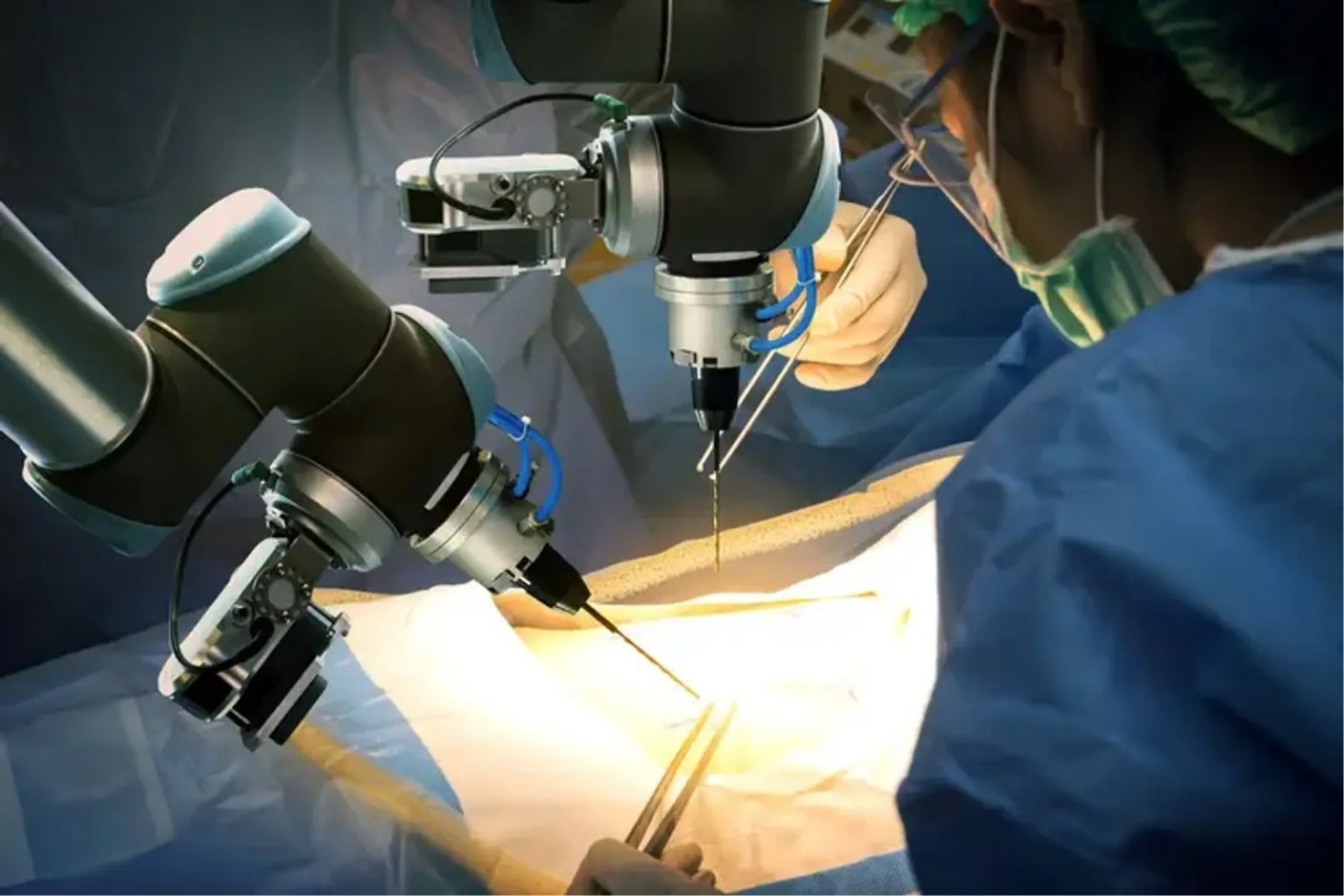
Robotic GI Surgery is a minimally invasive approach used for selected surgical conditions affecting the gastrointestinal tract and related abdominal organs. Depending on the condition, robotic surgery may be used for procedures involving the stomach, intestine, oesophagus, gallbladder and other structures within the abdomen.
During Robotic GI Surgery, the surgeon operates through small incisions using a robotic surgical platform. A magnified three-dimensional camera provides a detailed view of the operating field, while articulated instruments allow controlled movements within the abdomen.
The type of operation depends on the underlying condition. It may involve removing diseased tissue, repairing a defect, reconnecting sections of the digestive tract or removing an affected organ.
The robotic system does not make surgical decisions or perform the operation independently. The surgeon controls the camera and instruments throughout the procedure and determines each step according to the patient’s anatomy and the operation being performed.
When Is Robotic GI Surgery Considered?
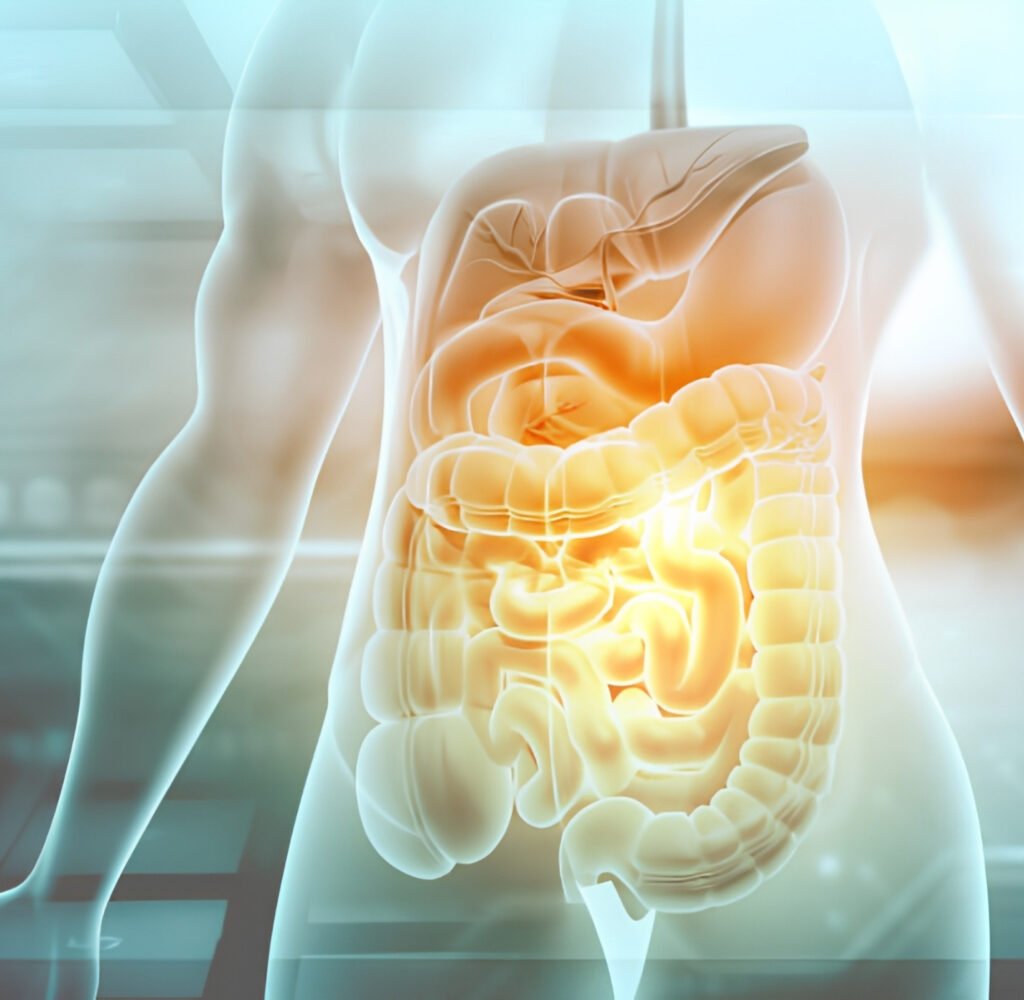
Robotic GI Surgery may be considered when a gastrointestinal condition requires an operation and a minimally invasive approach is suitable. The decision depends on the organ involved, disease extent, previous abdominal surgery, overall health and the complexity of the planned procedure. It may be considered for selected:
01. Stomach Conditions
Surgical disorders of the stomach requiring removal, repair or reconstruction
02. Oesophageal Conditions
Selected disorders requiring minimally invasive oesophageal surgery
03. GI Tumours
Selected gastrointestinal cancers requiring removal of the affected tissue with appropriate margins
04. Intestinal Disorders
Conditions of the small or large intestine requiring segmental resection or repair
05. Gallbladder Disease
Gallbladder conditions requiring surgical removal or related intervention
06. Complex Abdominal Surgery
Conditions where detailed dissection, reconstruction or suturing is required within the abdomen
Before surgery, the condition is assessed through clinical examination and appropriate investigations. Depending on the problem, these may include ultrasound, CT, MRI, endoscopy, blood tests or other gastrointestinal evaluations.
How Is Robotic GI Surgery Performed?
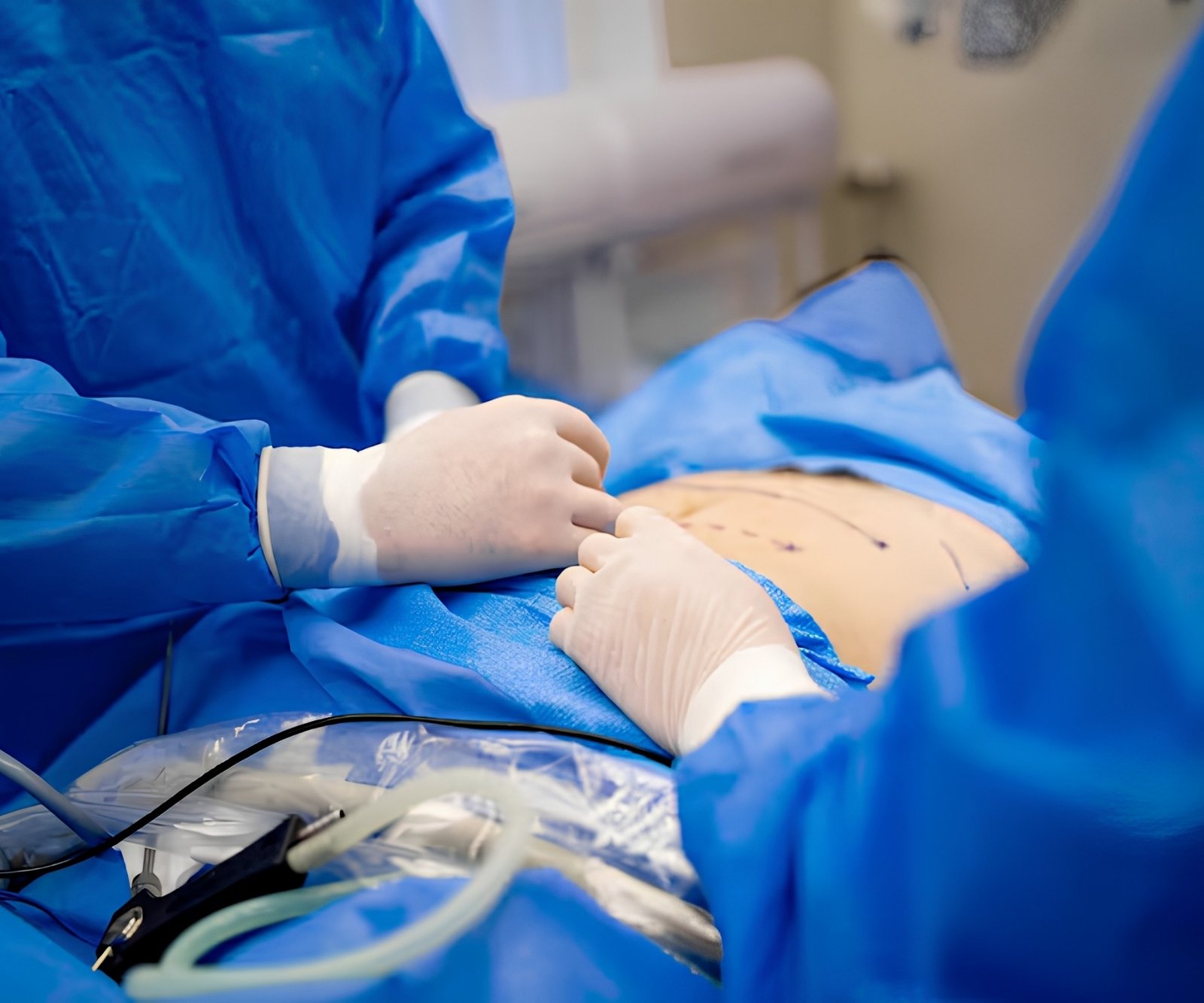
Robotic GI procedures are performed under general anaesthesia. Small abdominal incisions are made to introduce the camera and robotic instruments. The surgeon first examines the operative area and identifies the structures involved in the planned procedure. The robotic camera provides magnified three-dimensional visualization while the instruments are controlled from the surgical console. The operation then varies according to the gastrointestinal condition. Diseased or damaged tissue may be removed, an affected organ may be excised, or a section of the digestive tract may be repaired or reconstructed. For intestinal procedures, for example, the affected segment may be removed and the healthy ends reconnected when appropriate. In selected stomach or oesophageal operations, the procedure may involve careful dissection followed by reconstruction according to the surgical requirement. Once the main procedure is completed, the surgeon checks the operative field and ensures that the repair or reconstruction is satisfactory. The instruments are removed and the small incisions are closed. Operating time varies significantly between procedures. A relatively straightforward operation may take considerably less time than complex cancer surgery, gastrointestinal reconstruction or surgery involving previous abdominal operations.
Robotic GI Surgery Benefits
For appropriately selected gastrointestinal procedures, robotic surgery can provide the surgeon with detailed visualization and controlled instrument movement while maintaining a minimally invasive surgical route. The advantages of robotic surgery vary according to the procedure and patient. Laparoscopic and open approaches continue to have important roles in gastrointestinal surgery, and the most appropriate technique is determined by the condition being treated.
01. Magnified Three-Dimensional View
Provides detailed visualization of abdominal structures during dissection and reconstruction.
02. Articulated Instrument Control
Wristed instruments allow controlled movements within confined areas of the abdomen.
03. Precise Tissue Dissection
Enhanced visualization and instrument movement can support careful separation of tissues and anatomical structures.
04. Small Surgical Incisions
The procedure is performed through several small abdominal access points rather than one large incision.
Robotic GI Surgery Recovery Time
Recovery following Robotic GI Surgery varies according to the organ treated, extent of the operation and whether bowel or gastrointestinal reconstruction was required. Hospital stay and return to normal activities are therefore different for each procedure.
First 24 Hours
The patient is monitored after anaesthesia, with early movement encouraged when appropriate. Pain control, fluid balance and other immediate postoperative needs are assessed.
Early Hospital Recovery
Diet is restarted progressively according to the procedure and return of gastrointestinal function. Walking and routine movement are encouraged as the patient becomes comfortable.
First Few Days
Incision discomfort and temporary changes in appetite or bowel function may occur while the digestive system begins returning to its usual pattern.
First Few Weeks
Light daily activities can generally be increased gradually. The pace depends on the type of gastrointestinal operation and the individual's recovery.
Returning to Physical Activity
Strenuous exercise and heavy lifting are resumed progressively after adequate healing and according to the surgical team's advice.
Follow-Up
Follow-up appointments help assess wound healing, digestive function, nutrition where relevant and the overall result of the operation.
FAQs About Robotic GI Surgery
Which gastrointestinal conditions can be treated with robotic surgery?
Robotic surgery may be used for selected conditions involving the stomach, intestine, oesophagus, gallbladder and other abdominal structures. The appropriate approach depends on the specific disease and operation required.
Is robotic GI surgery performed through small incisions?
Yes. Robotic procedures generally use several small abdominal incisions through which the camera and surgical instruments are introduced.
Is robotic GI surgery suitable for gastrointestinal cancer?
Selected gastrointestinal cancers can be treated using robotic surgery when minimally invasive resection is appropriate. The decision depends on the location, size and extent of the tumour and the required cancer operation.
How long does robotic GI surgery take?
Operating time varies considerably between procedures. The duration depends on the organ involved, complexity of the operation, extent of reconstruction and whether previous abdominal surgery has altered the anatomy.
How soon can I eat after robotic GI surgery?
The timing of restarting food depends on the operation performed and the return of gastrointestinal function. Diet is usually progressed gradually according to the surgical team’s assessment.
Can robotic GI surgery be performed after previous abdominal surgery?
It can be considered in selected cases. Previous operations may cause adhesions or alter normal anatomy, so the surgical history and current abdominal findings need to be evaluated before selecting the approach.
Choosing the Surgical Approach for Your GI Condition
At Sunshine Surgical Hospital, Robotic GI Surgery is considered for selected gastrointestinal conditions where robotic access can support the planned operation through a minimally invasive approach.