
Robotic eTEP Surgery in Ahmedabad
What Is Robotic eTEP Surgery?
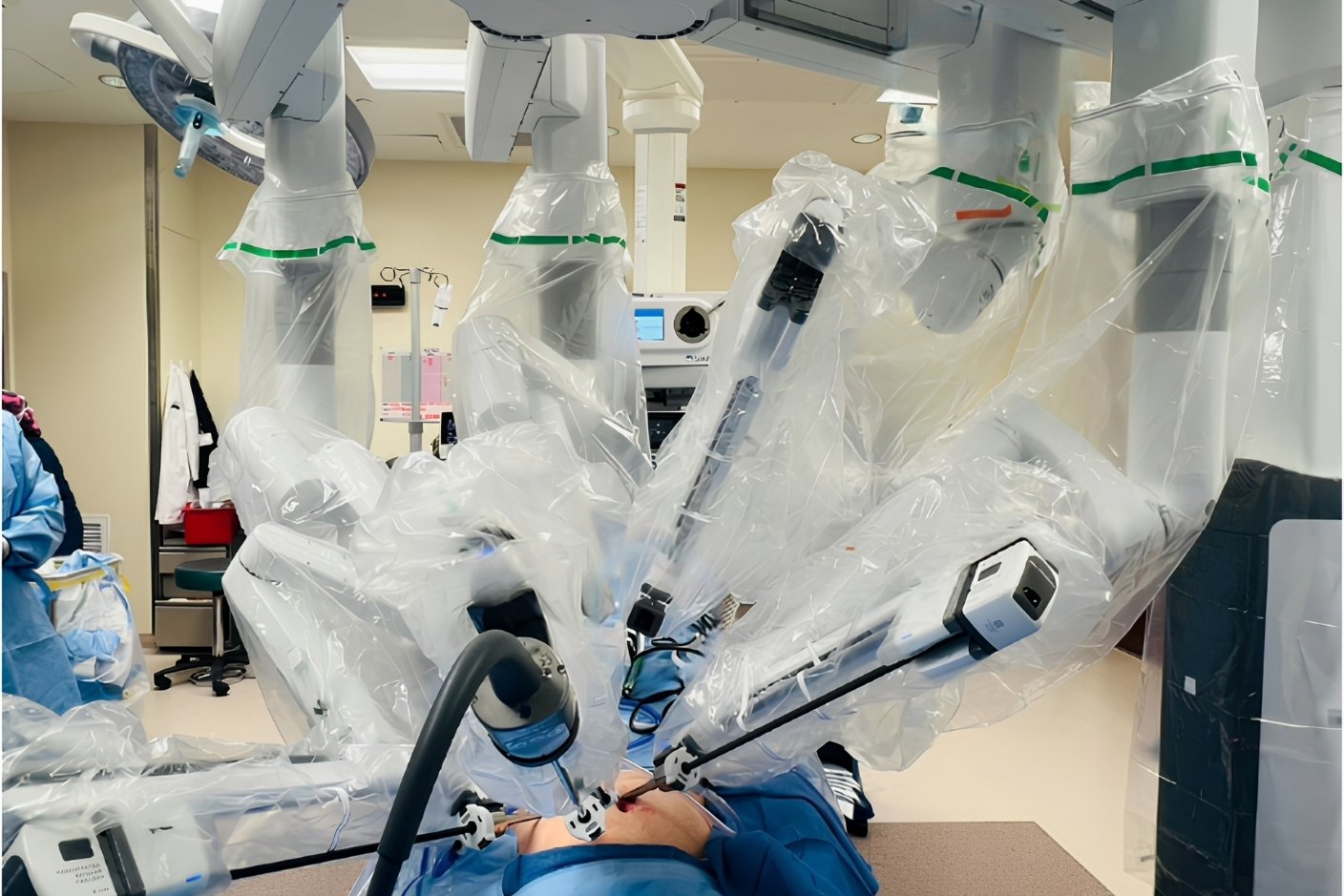
eTEP, or extended Totally Extraperitoneal Repair, is a minimally invasive technique used to treat selected ventral, incisional and complex abdominal wall hernias. Unlike approaches that enter the abdominal cavity, eTEP works within the tissue planes of the abdominal wall to create access to the area requiring repair.
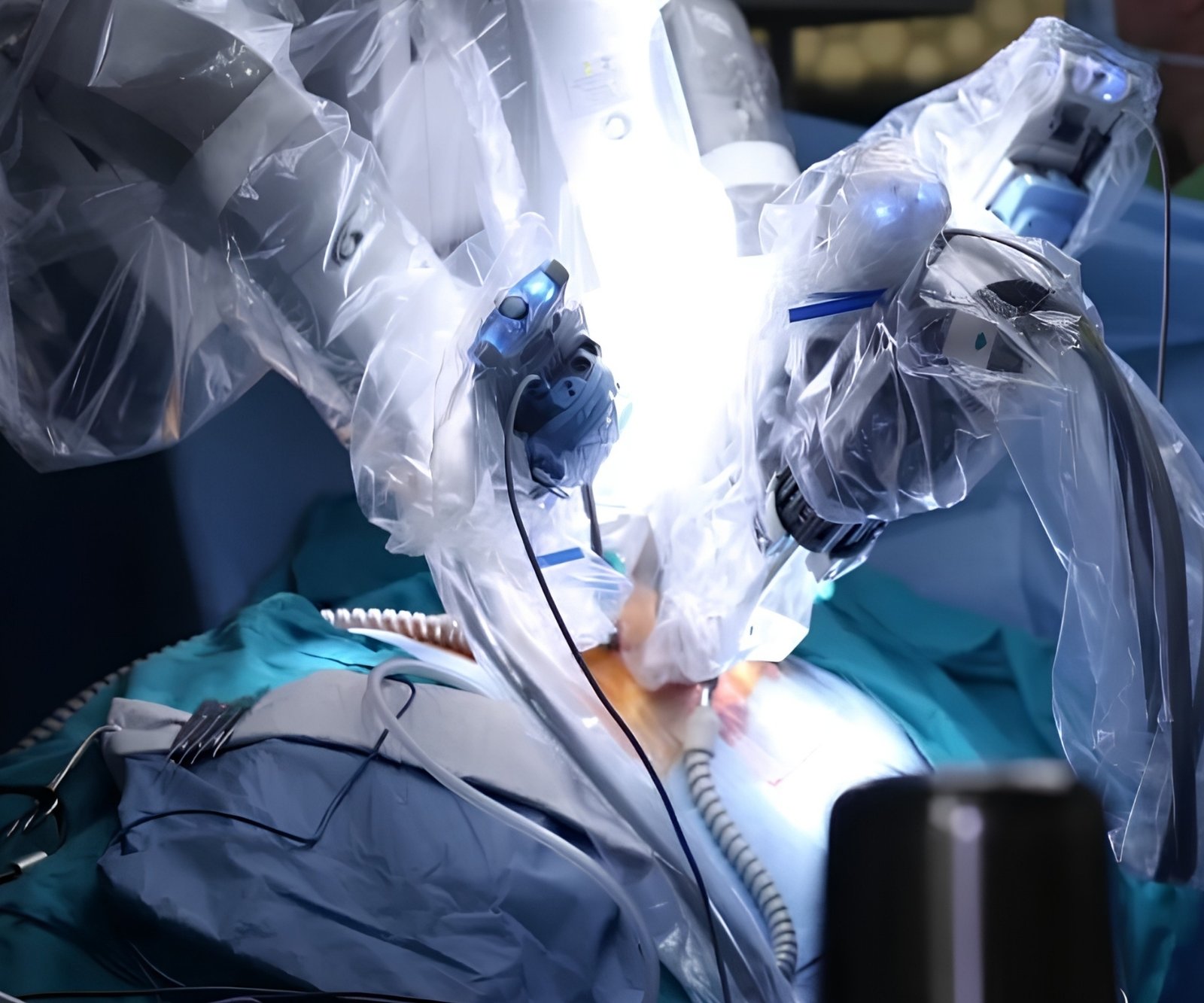
In Robotic eTEP Surgery, the surgeon uses a robotic platform to work through small incisions while viewing the operative field through a magnified three-dimensional camera. The technique can provide access to deeper abdominal wall planes where the hernia defect and surrounding tissues can be carefully assessed.
The repair may involve reducing the hernia contents, closing the abdominal wall defect and positioning mesh within a suitable retromuscular or preperitoneal plane. The exact reconstruction depends on the size, location and complexity of the defect.
The robotic system does not perform the operation independently. Every step is controlled by the surgeon, with robotic instruments providing articulated movement and enhanced visualization during the repair.
When Is Robotic eTEP Considered?
Not every abdominal wall hernia requires an eTEP approach. The technique may be considered when a defect can be effectively addressed through the abdominal wall’s extraperitoneal tissue planes, particularly when reconstruction of the abdominal wall is part of the surgical plan. Robotic eTEP may be considered for selected:
01. Ventral Hernias
Defects developing through weakened areas of the front abdominal wall
02. Midline Defects
Abdominal wall defects located along or near the central abdominal line
03. Recurrent Hernias
Hernias that have returned following an earlier repair
04. Incisional Hernias
Hernias occurring at or around a previous abdominal surgical incision
05. Complex Hernias
Larger or anatomically challenging defects requiring detailed reconstruction
06. Multiple Defects
Abdominal wall weakness involving more than one defect or area
Assessment generally includes a physical examination and review of previous surgical history. CT imaging is often useful for larger, recurrent or complex hernias because it can show the size of the defect, abdominal wall layers, muscle condition and the relationship of the hernia to surrounding structures.
eTEP vs Open Hernia Surgery
Both eTEP and open hernia surgery can be used to repair abdominal wall defects, but they reach the affected area through different surgical routes. The appropriate approach depends on the defect, abdominal wall anatomy, previous operations and reconstruction required.
|
Feature
|
Robotic eTEP Surgery
|
Open Hernia Surgery
|
|---|---|---|
|
Surgical Access
|
Uses small incisions to reach the abdominal wall through extraperitoneal tissue planes.
|
Uses a larger incision directly over or near the area requiring repair.
|
|
Abdominal Cavity
|
Generally allows the repair to be performed without entering the abdominal cavity.
|
Access is obtained through the abdominal wall rather than through an internal camera-based approach.
|
|
Tissue Planes
|
Provides access to retromuscular or preperitoneal planes for selected repairs.
|
Allows direct access to the abdominal wall and its individual tissue layers.
|
|
Defect Closure
|
Robotic instruments can assist with detailed suturing within confined surgical planes.
|
Direct access allows the surgeon to close and reconstruct the defect under direct vision.
|
|
Mesh Positioning
|
Mesh can be placed within an appropriate anatomical plane away from the abdominal cavity.
|
Mesh placement depends on the defect and the open reconstruction technique selected.
|
|
Incision Size
|
Uses several smaller incisions rather than one larger abdominal incision.
|
Usually requires a longer incision, particularly for larger abdominal wall defects.
|
How Is Robotic eTEP Surgery Performed?
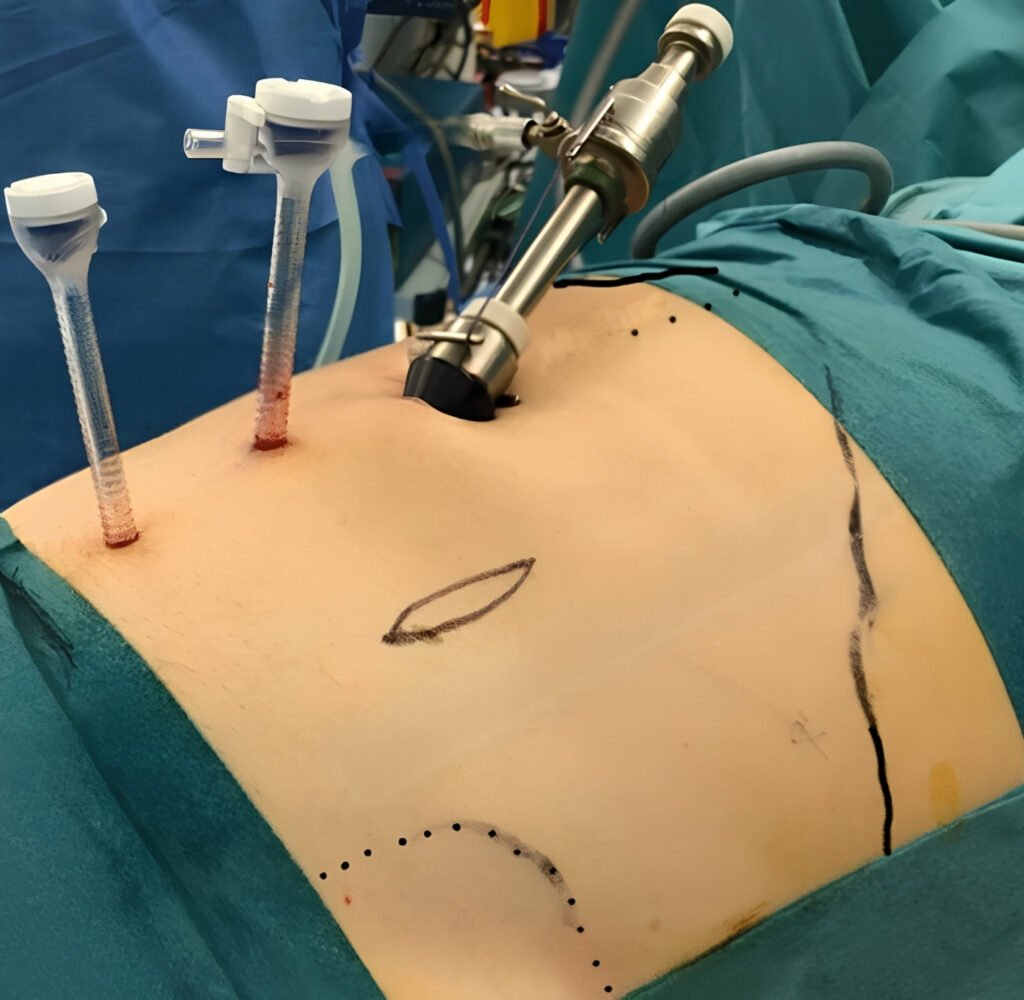
Robotic eTEP is performed under general anaesthesia. Small incisions are made away from the main hernia defect, and the surgeon develops an extraperitoneal working space within the abdominal wall. The appropriate tissue plane is carefully dissected to expose the muscles, fascia and hernia defect. The hernia contents are reduced, and the extent of abdominal wall weakness is assessed. Depending on the defect, the surgeon may work within the retromuscular or preperitoneal plane. The hernia opening can then be closed with sutures when appropriate, restoring continuity of the abdominal wall. A mesh may be positioned within the selected anatomical plane to reinforce the repaired area. Care is taken to ensure appropriate coverage of the defect and stable positioning of the reinforcement. The robotic instruments are then withdrawn, the small access incisions are closed and the patient is transferred to recovery. The operating time varies according to the size and location of the defect, previous repairs, the amount of abdominal wall reconstruction required and whether multiple defects are being addressed.
Robotic eTEP Benefits
Robotic eTEP Surgery combines an extraperitoneal abdominal wall approach with robotic instrumentation. For appropriately selected hernias, this can support detailed work within the deeper tissue planes used for abdominal wall reconstruction. The benefits of eTEP depend on appropriate patient selection and surgical planning. Larger or particularly complex defects may still require another minimally invasive technique or open reconstruction.
01. Extraperitoneal Access
Allows selected repairs to be performed within abdominal wall planes without routinely entering the abdominal cavity.
02. Three-Dimensional Vision
Provides a magnified view of muscles, fascia and other structures within the surgical working plane.
03. Articulated Instruments
Wristed robotic instruments support controlled movements during dissection, suturing and reconstruction.
04. Abdominal Wall Reconstruction
Provides a minimally invasive route for selected hernias where restoring abdominal wall structure is an important part of the operation.
Robotic eTEP Recovery Time
Recovery after Robotic eTEP Surgery depends on the extent of abdominal wall reconstruction and the complexity of the hernia. Early movement is generally encouraged, while strenuous abdominal loading is increased gradually as healing progresses.
First 24 Hours
Walking and basic movements are encouraged as tolerated, with observation for pain, nausea and the initial postoperative recovery.
First Few Days
Soreness, tightness or a feeling of abdominal pulling may occur as the repaired abdominal wall begins to heal.
First Week
Light routine activities can usually be increased gradually, depending on comfort, wound healing and the extent of the repair.
Following Weeks
Walking and other low-impact activities can be progressed while activities placing significant strain on the abdominal wall remain restricted.
Returning to Exercise
Exercise, lifting and core-loading activities are resumed progressively according to tissue healing and the reconstruction performed.
Follow-Up
Follow-up appointments allow the surgeon to assess the incision, abdominal wall repair, postoperative symptoms and progression of physical activity.
FAQs About Robotic eTEP Surgery
Is robotic eTEP suitable for every abdominal wall hernia?
No. The suitability of eTEP depends on the size and location of the defect, previous surgery, abdominal wall anatomy and the reconstruction required.
Can robotic eTEP repair a recurrent incisional hernia?
It can be considered in selected recurrent cases. Previous surgery and existing mesh can alter the normal tissue planes, so detailed assessment is required before choosing the approach.
How soon can I return to normal activities after robotic eTEP?
Light activity is generally increased gradually during the early recovery period. Heavy lifting, strenuous exercise and significant abdominal loading are introduced later according to the repair and individual healing.
Is mesh required during robotic eTEP surgery?
Mesh is commonly used when reinforcement of the abdominal wall is required, but its use and position depend on the defect, tissue quality and reconstruction planned.
Does robotic eTEP enter the abdominal cavity?
The eTEP approach is designed to work within the extraperitoneal planes of the abdominal wall rather than routinely entering the abdominal cavity. The exact approach depends on the anatomy and surgical technique being used.
Can eTEP be used for complex abdominal wall reconstruction?
Yes, selected complex abdominal wall defects can be approached using eTEP techniques. The required reconstruction, defect size, previous repairs and condition of the abdominal wall determine whether eTEP is appropriate.
Planning the Repair Around the Abdominal Wall
At Sunshine Surgical Hospital, Robotic eTEP Surgery is considered for selected ventral, incisional and complex abdominal wall hernias where an extraperitoneal approach can support the planned repair.