
Robotic Hernia Surgery in Ahmedabad
What Is Robotic Hernia Surgery?
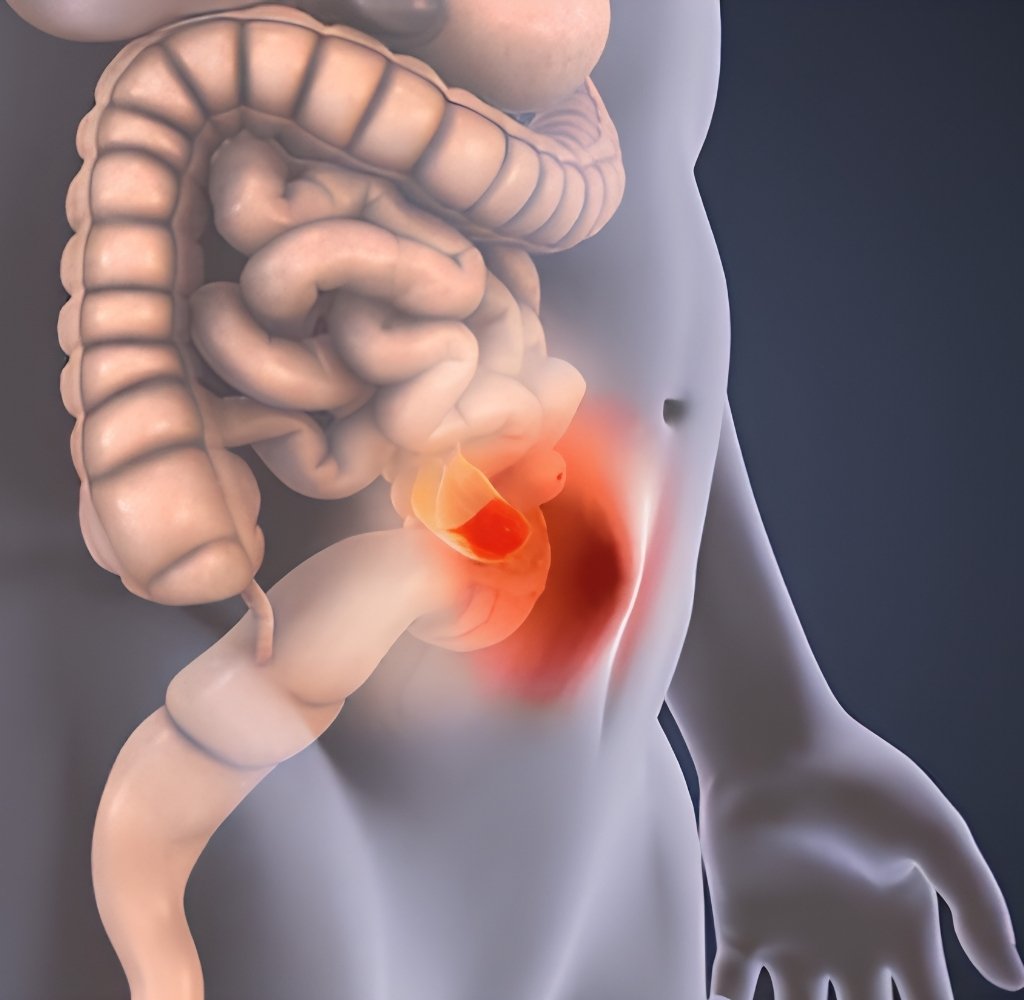
A hernia occurs when tissue pushes through a weakened area of the abdominal wall, creating a bulge that may become painful or more noticeable with standing, coughing, lifting or physical activity. Hernias can develop in the groin, around the navel, through previous surgical incisions or at other points of weakness.
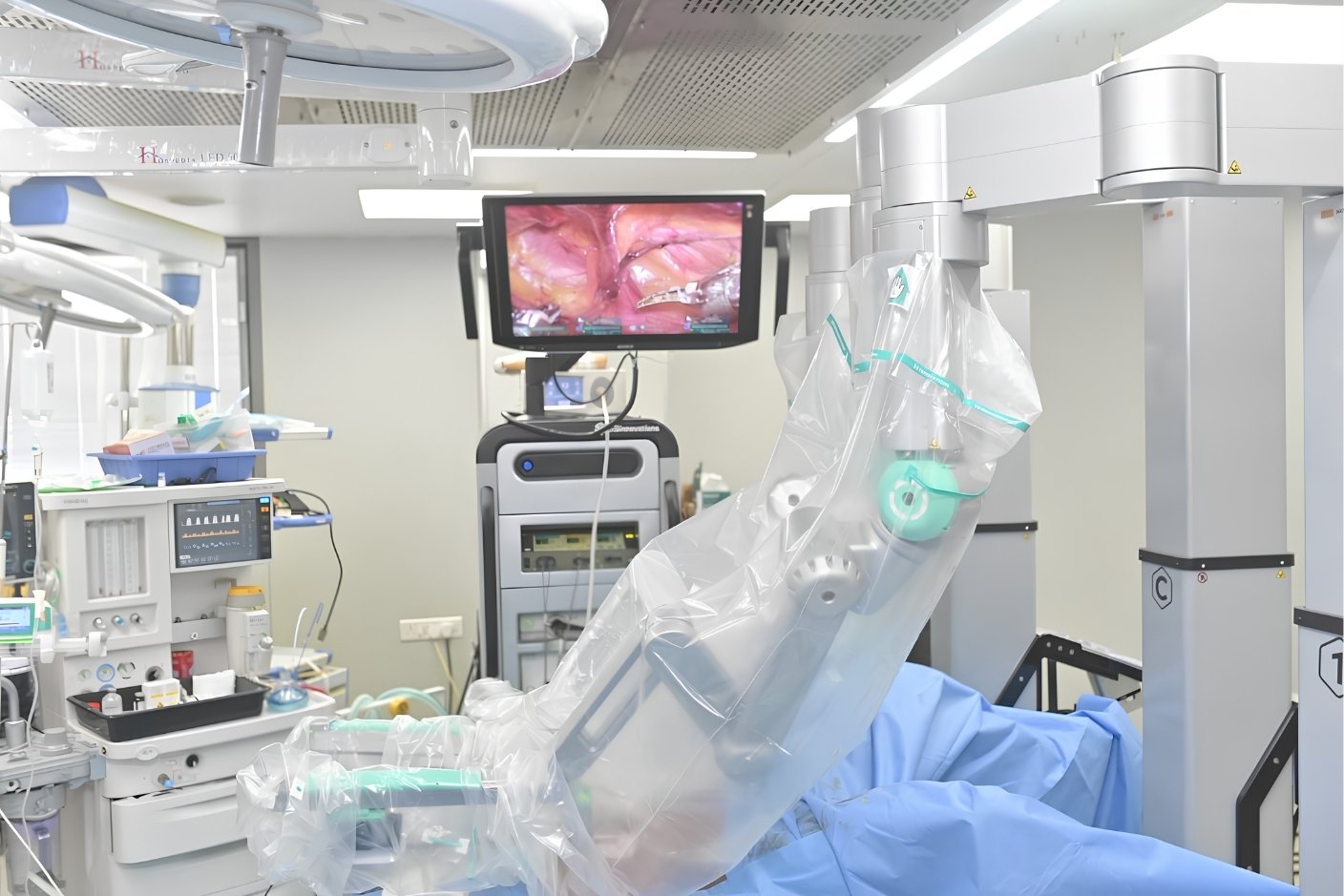
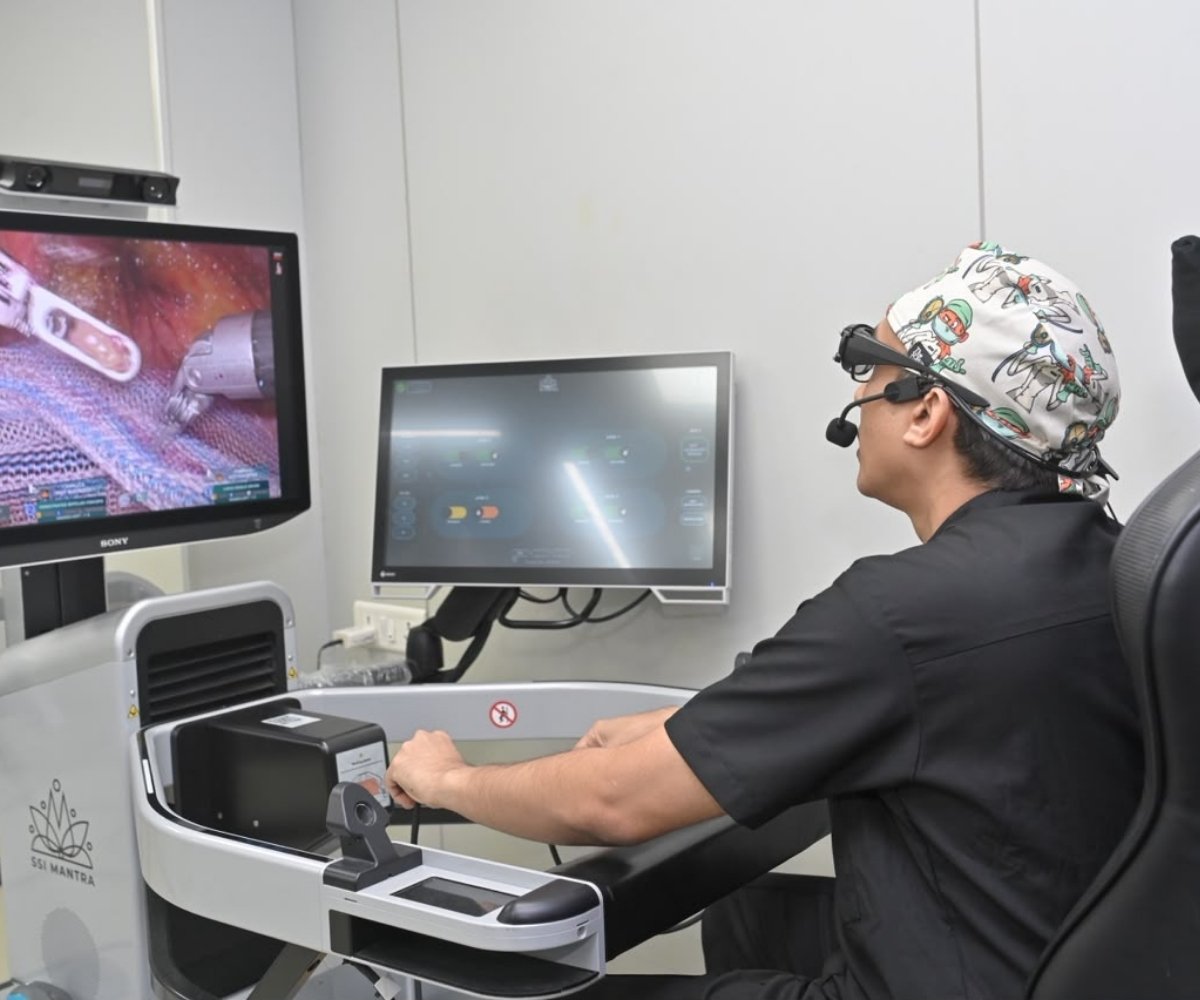
Robotic Hernia Surgery is a minimally invasive method of repairing selected hernias through small incisions. The surgeon controls robotic instruments from a console while viewing the operating area through a magnified three-dimensional camera.
Depending on the type and location of the hernia, the repair may involve reducing the hernia contents, closing the defect and placing mesh within an appropriate anatomical plane to reinforce the abdominal wall.
The robotic system does not perform the operation independently. It provides the surgeon with enhanced visualization and articulated instrument movement while the surgical decisions and movements remain under direct surgeon control.
When Is Robotic Hernia Surgery Considered?
Not every hernia requires the same type of treatment. The decision to operate depends on symptoms, the size and location of the defect, previous repairs, risk of complications and its effect on daily activities. Robotic repair may be considered for selected:
01. Inguinal Hernias
Hernias developing in the groin region
02. Ventral Hernias
Defects occurring through weakened areas of the abdominal wall
03. Incisional Hernias
Hernias developing at or near a previous surgical incision
04. Bilateral Hernias
Hernias affecting both sides of the groin
05. Recurrent Hernias
Defects that have returned after the earlier repair
06. Complex Defects
Larger or anatomically difficult abdominal wall hernias
A physical examination is usually the starting point. Ultrasound or CT imaging may be advised when the diagnosis is uncertain or when a larger, recurrent or complex defect needs more detailed assessment.
Robotic vs Laparoscopic Hernia Surgery
Both robotic and laparoscopic hernia surgery are minimally invasive techniques performed through small incisions. While both use a camera and specialised instruments, they differ in visualization, instrument movement, surgeon control and how complex repairs can be approached.
|
Feature
|
Robotic Hernia Surgery
|
Laparoscopic Hernia Surgery
|
|---|---|---|
|
Visualization
|
Provides a magnified three-dimensional view of the surgical field.
|
Provides a high-definition view of the surgical field during the procedure.
|
|
Instrument Movement
|
Uses articulated instruments that allow wrist-like movements during surgery.
|
Uses long, relatively rigid instruments controlled through the abdominal wall.
|
|
Surgeon Control
|
The surgeon controls the instruments from a console throughout the operation.
|
The surgeon controls the instruments directly while working beside the operating table.
|
|
Suturing
|
Articulated instruments can provide greater control during detailed suturing.
|
Suturing can require greater technical control within confined surgical spaces.
|
|
Complex Repairs
|
May assist with selected complex repairs requiring detailed dissection or reconstruction.
|
Remains well established for many routine and selected complex hernia repairs.
|
|
Surgical Approach
|
The choice depends on hernia anatomy, complexity and the repair being planned.
|
The choice depends on hernia anatomy, complexity and the surgeon's experience.
|
How Is Robotic Hernia Surgery Performed?
The procedure is performed under general anaesthesia. Small incisions are made to introduce a camera and robotic instruments into the abdomen or abdominal wall planes, depending on the technique being used. The surgeon identifies the hernia and carefully separates the surrounding tissues. The hernia contents are reduced, and the defect is assessed before repair. For selected groin hernias, a robotic TAPP approach may be used to access the preperitoneal space. For selected ventral or incisional hernias, a robotic eTEP approach may allow work within retromuscular or preperitoneal tissue planes. Where reinforcement is required, mesh is positioned within the selected anatomical plane. The defect may also be closed with sutures when appropriate. The instruments are then removed and the small incisions are closed. The duration of surgery depends on the type of hernia, whether it is recurrent or bilateral, the size of the defect and whether additional abdominal wall reconstruction is required.
Is Robotic Hernia Surgery Safe?
Robotic Hernia Surgery is a well-established minimally invasive approach for selected hernia repairs. The surgeon remains in direct control throughout the procedure, while the robotic system provides a magnified three-dimensional view and articulated instrument movement to support precise surgical work. The approach allows the surgeon to work through small incisions while maintaining detailed control over the repair. Careful patient selection and appropriate surgical planning remain important parts of maintaining safety throughout the procedure.
01. Direct Surgeon Control
The surgeon controls every movement of the robotic instruments throughout the procedure.
02. Enhanced Visualization
A magnified three-dimensional view helps provide a clearer view of the surgical field.
03. Controlled Instrument Movement
Articulated instruments allow precise movements during dissection, suturing and repair.
04. Careful Tissue Handling
Improved instrument control can support careful work around surrounding tissues and important structures.
Recovery Time After Robotic Hernia Surgery
Recovery depends on the type of hernia repaired and the extent of the operation. Patients are generally encouraged to begin moving soon after surgery rather than remaining in bed for prolonged periods.
First 24 Hours
Walking and basic movement are encouraged as tolerated, with monitoring for pain, nausea and other immediate postoperative concerns.
First Few Days
Mild soreness, tightness, bruising or swelling around the operated area may occur during early healing.
First Week
Light daily activities can generally be resumed progressively, depending on comfort and the type of repair performed.
Next Few Weeks
Walking and other low-impact activities can be increased gradually while strenuous abdominal loading remains restricted.
Returning to Exercise
Exercise and heavier physical activity are reintroduced according to tissue healing, the repair performed and the surgeon's instructions.
Follow-Up
A follow-up examination helps assess wound healing, symptoms and when higher levels of activity can safely be resumed.

Robotic Hernia Surgery in Ahmedabad With Dr. Krunal Solanki
Dr. Krunal K. Solanki is a Robotic, Laparoscopic, GI, Bariatric and General Surgeon with around 17 years of surgical experience. His practice includes minimally invasive treatment of groin, ventral, incisional, recurrent and complex abdominal wall hernias.
His experience includes Robotic Hernia Surgery, robotic TAPP, robotic eTEP, complex hernia repair and abdominal wall reconstruction. He also performs laparoscopic TAPP and eTEP procedures, allowing the surgical approach to be selected according to the hernia anatomy rather than using one technique for every case.
Before surgery, Dr. Solanki assesses the location and size of the defect, previous abdominal operations, tissue condition and the anatomical plane required for reinforcement. For more complex defects, the repair may involve fascial closure, retromuscular mesh placement or broader abdominal wall reconstruction. He also has experience with the SSI Mantra robotic surgical system and is involved in surgical education through AMASI skill courses, CME programmes and live operative workshops. Alongside his clinical practice, Dr. Solanki serves as Professor & Head, Department of General Surgery, Swaminarayan Medical College, Kalol.
FAQs About Robotic Hernia Surgery
Is robotic hernia surgery better than laparoscopic surgery?
Neither approach is automatically better for every hernia. The choice depends on the hernia’s location, size, complexity, previous operations, required repair and the surgeon’s assessment.
Can robotic hernia surgery be performed for a recurrent hernia?
It can be considered in selected cases. Previous surgery may have changed the normal tissue planes, so the earlier repair, existing mesh and current anatomy need to be assessed before choosing the approach.
How soon can I walk after robotic hernia surgery?
Walking is generally encouraged soon after surgery as tolerated. More strenuous activities and heavy lifting are introduced later according to the type of repair and individual healing.
Does robotic hernia surgery always require mesh?
No. Mesh is commonly used when reinforcement is required, but the need for mesh depends on the type, size and location of the defect and the repair technique selected.
How long does robotic hernia surgery take?
Operating time varies according to the type and complexity of the hernia. A straightforward primary repair may take less time than bilateral, recurrent or complex abdominal wall reconstruction.
Can a hernia come back after robotic surgery?
Yes. Recurrence is possible after any hernia repair. The risk depends on factors such as the hernia type, defect size, tissue quality, previous repairs, surgical technique and healing.
The Right Hernia Repair Starts With the Right Assessment
At Sunshine Surgical Hospital, Robotic Hernia Surgery is considered for selected hernias where minimally invasive access and robotic instrumentation can support the planned repair.