
Neurosurgery and Spine Care in Ahmedabad
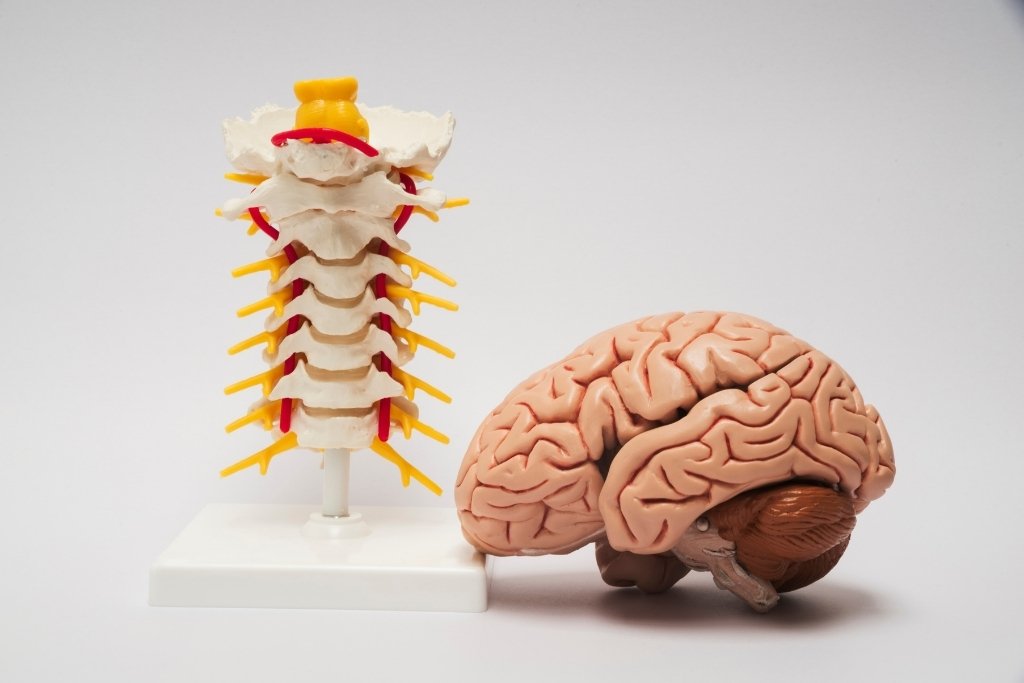
Understanding Neurosurgery and Spine Care
Neurosurgery and spine care address conditions affecting the brain, spinal cord, nerves and structures of the spine. Treatment may be required for problems caused by spinal degeneration, nerve compression, trauma, tumours, bleeding, congenital conditions or other neurological disorders.
Neurosurgery and Spine Care in Ahmedabad begins with understanding the location and cause of the neurological or spinal problem. Depending on the condition, treatment may include medicines, physiotherapy, pain management, injections, rehabilitation or surgery.
When surgery is required, the procedure is selected according to the affected structure, severity of the condition, neurological findings, imaging results and overall health. The aim is to address the underlying problem while protecting important neurological function.
Neurological and Spine Conditions We Treat
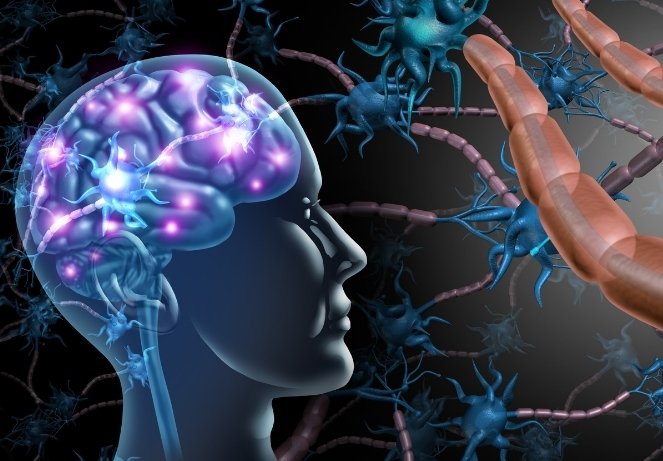
Brain & Cranial Conditions
Conditions affecting the brain may include brain tumours, traumatic brain injuries, hydrocephalus, bleeding and other disorders requiring neurological or surgical assessment.

Spine & Disc Disorders
Disc prolapse, spinal stenosis, degenerative spine disease and other structural problems can cause persistent back pain, neck pain, stiffness or restricted movement.
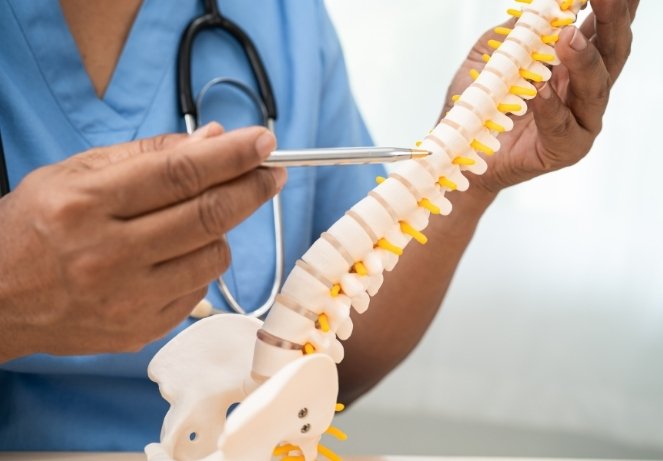
Nerve Compression
Compression of spinal or peripheral nerves can lead to pain, numbness, tingling, weakness or changes in sensation affecting the arms or legs.
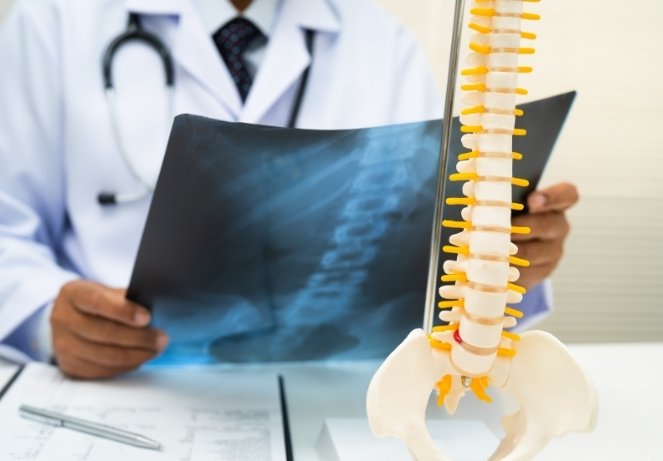
Spine Injuries & Trauma
Fractures, spinal instability and other traumatic injuries may require urgent assessment and treatment to protect the spinal cord and maintain structural stability.
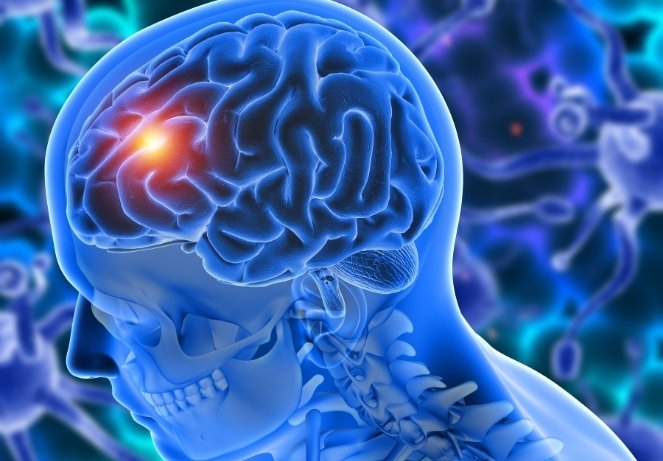
Brain & Spine Tumours
Tumours involving the brain, spinal cord or surrounding structures require detailed imaging and multidisciplinary planning to determine the appropriate treatment approach.
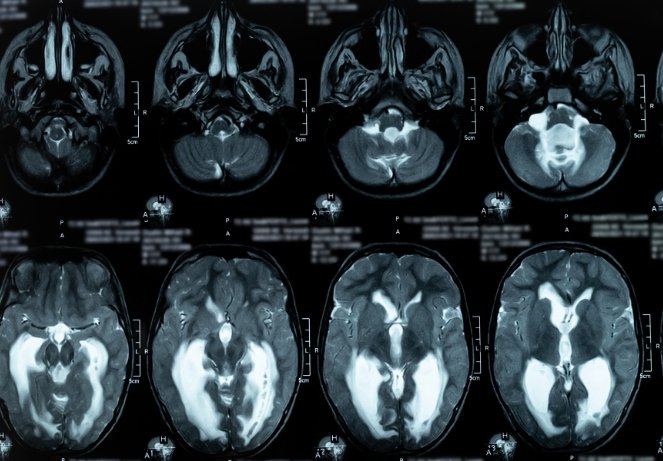
Hydrocephalus & Neurological Disorders
Conditions involving abnormal cerebrospinal fluid circulation or pressure changes within the brain may require neurological evaluation and, in selected cases, surgical treatment.
When Is Neurosurgery and Spine Care Needed?
Neurological or spinal evaluation may be appropriate when symptoms are persistent, progressive or affecting movement, sensation or everyday function.
01. Persistent Back or Neck Pain
Pain that continues despite appropriate conservative treatment may require further assessment to identify disc, nerve or structural causes.
02. Numbness or Tingling
Persistent altered sensation in the arms, legs, hands or feet may indicate nerve compression or another neurological problem requiring evaluation.
03. Muscle Weakness
New or progressive weakness can indicate neurological involvement and should be assessed promptly, particularly when it affects walking or daily activities.
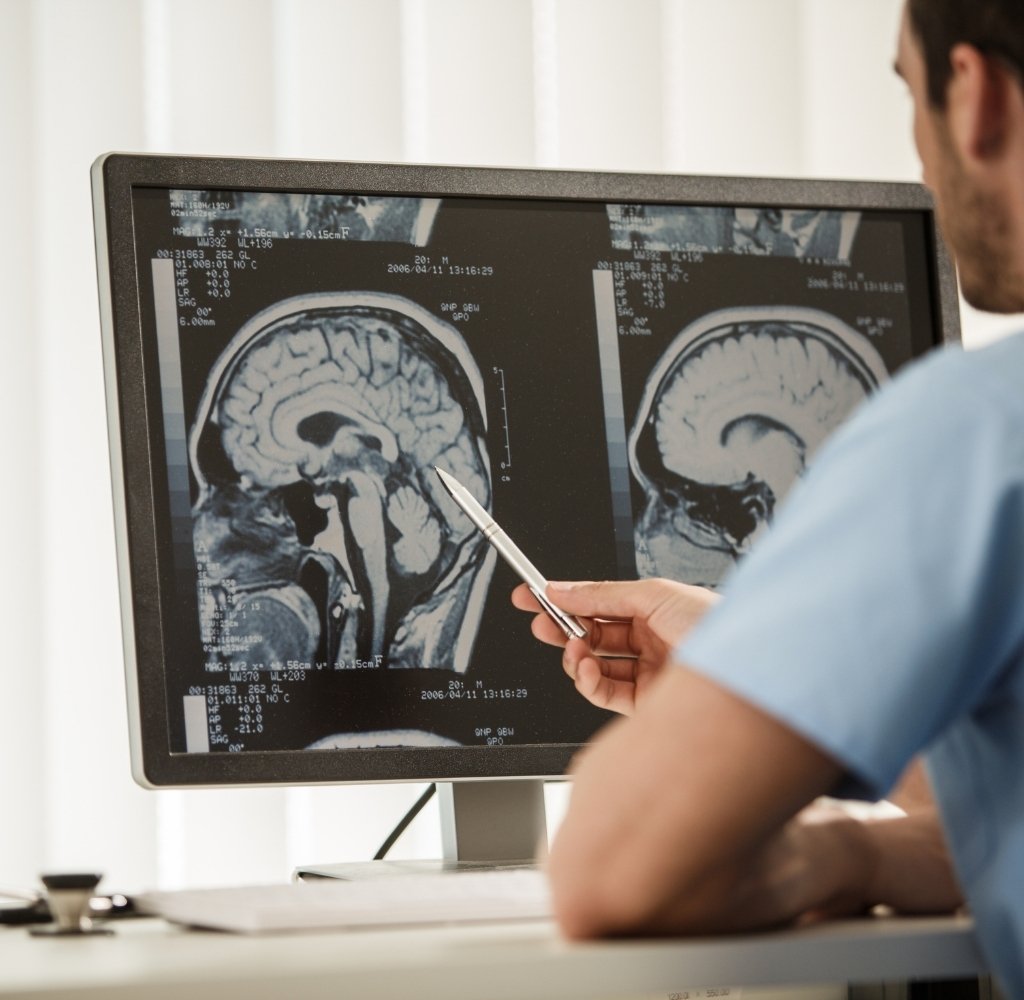
04. Loss of Coordination
Difficulty with balance, coordination or movement may require neurological assessment to identify whether the brain, spinal cord or nerves are involved.
05. Headache or Neurological Symptoms
Severe, persistent or unusual headaches accompanied by neurological symptoms may require specialist evaluation and appropriate imaging.
06. Changes in Bladder or Bowel Function
New bladder or bowel difficulties associated with severe back pain, numbness or leg weakness can require urgent assessment for significant spinal nerve compression.
Common Neurosurgery and Spine Procedures
Spine Decompression Surgery
Procedures such as discectomy or laminectomy may be used to relieve pressure on the spinal cord or nerves in selected conditions.
Spinal Fusion
Fusion surgery may be considered when spinal instability or significant structural damage requires stabilisation of the affected vertebral segments.
Brain Tumour Surgery
Surgery may be performed to remove or reduce a brain tumour, obtain tissue for diagnosis or relieve pressure caused by the lesion.
Hydrocephalus Procedures
Selected patients may require procedures such as ventriculoperitoneal shunt placement or endoscopic treatment to restore appropriate cerebrospinal fluid circulation.
Trauma Surgery
Spinal or cranial injuries may require surgical stabilisation, decompression or repair depending on the severity and location of the injury.
Peripheral Nerve Surgery
Selected nerve compression or nerve injuries may require microsurgical procedures to relieve pressure or restore nerve continuity.
What Can Neurosurgery and Spine Care Help Address?
Appropriate treatment can help manage neurological and spinal problems that interfere with movement, sensation and everyday function.
Relieve Nerve Compression
Treatment may reduce pressure on affected nerves when compression is responsible for pain, numbness or weakness.
Improve Spinal Stability
Selected surgical procedures can stabilise damaged or unstable spinal segments when structural support is required.
Address Brain Lesions
Surgery may help remove, biopsy or reduce selected brain lesions while supporting further neurological or oncological treatment.
Protect Neurological Function
Timely treatment of significant compression, trauma or other neurological problems may help prevent further functional deterioration.
Improve Movement
Treatment and rehabilitation may support improved mobility when neurological or spinal disease has restricted normal movement.
Support Long-Term Recovery
Follow-up, rehabilitation and appropriate lifestyle or activity guidance can help patients progress after neurological or spine treatment.
FAQs About Neurosurgery and Spine Care
When should I consult a neurosurgeon for back or neck pain?
A consultation may be appropriate when pain persists despite treatment, is accompanied by numbness or weakness, or when imaging shows significant disc, nerve or spinal abnormalities.
Does every slipped disc require spine surgery?
No. Many disc-related problems improve with medicines, physiotherapy and other non-surgical measures. Surgery may be considered when significant nerve compression, progressive weakness or persistent symptoms require an operative approach.
What symptoms can indicate nerve compression?
Pain radiating into an arm or leg, numbness, tingling, altered sensation or muscle weakness can occur when a nerve is compressed and should be evaluated when persistent or progressive.
When is brain surgery required?
Brain surgery may be considered for conditions such as selected brain tumours, bleeding, hydrocephalus, traumatic injuries or other structural problems where an operation is necessary for diagnosis, treatment or pressure relief.
How long does recovery take after spine surgery?
Recovery varies according to the procedure and the underlying condition. Some patients resume light activities relatively early, while fusion and other major operations require a longer period of healing and rehabilitation.
Can spine problems be treated without surgery?
Yes. Depending on the diagnosis, treatment may include medicines, physiotherapy, activity modification, rehabilitation or other non-surgical approaches. Surgery is considered when there is an appropriate clinical indication.
Discuss Your Neurosurgery and Spine Care Options
If you are experiencing persistent back or neck pain, nerve symptoms, neurological changes or have been advised to consider neurosurgery, schedule an evaluation to understand your diagnosis and available treatment options.