
Robotic Surgery for Achalasia Cardia in Ahmedabad
What Is Robotic Surgery for Achalasia Cardia?
Achalasia cardia is a rare disorder in which the lower oesophageal sphincter does not relax normally and the oesophagus has difficulty moving food and liquids into the stomach. This can cause difficulty swallowing, regurgitation, chest discomfort and gradual changes in eating habits.
Robotic Surgery for Achalasia Cardia in Ahmedabad is a minimally invasive surgical approach used to treat selected patients with achalasia. The procedure, usually called a robotic Heller myotomy, involves dividing the muscle fibres of the lower oesophageal sphincter to allow food to pass more easily into the stomach.
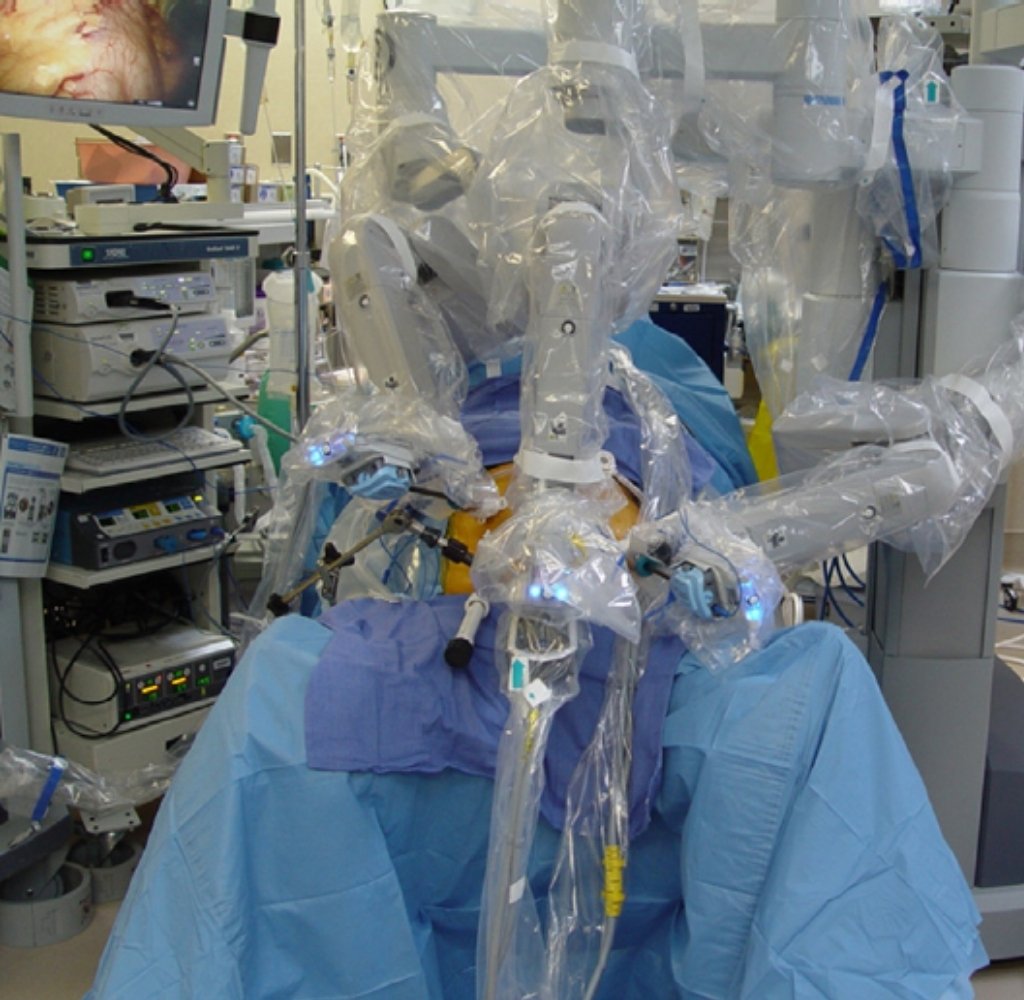
The robotic platform allows the surgeon to control specialised instruments while viewing the operative area through magnified three-dimensional vision. A partial fundoplication may also be performed to reduce the risk of reflux after myotomy.
When Is Robotic Surgery for Achalasia Cardia Considered?
Surgical treatment is considered after confirming achalasia and assessing the type and severity of the condition.
01. Persistent Swallowing Difficulty
Ongoing difficulty swallowing solids or liquids may indicate significant obstruction at the lower oesophageal sphincter requiring definitive treatment.
02. Regurgitation of Food
Repeated regurgitation of undigested food or liquids, particularly after meals or while lying down, may occur when food remains trapped within the oesophagus.
03. Poor Response to Other Treatment
Patients who continue to have significant symptoms after appropriate non-surgical treatment may be evaluated for a surgical approach.
04. Advanced Oesophageal Changes
Long-standing achalasia can cause widening or functional changes in the oesophagus. Treatment planning may become more complex when the disease has progressed.
05. Recurrent Symptoms After Previous Treatment
Patients who develop persistent or recurrent symptoms following balloon dilatation, POEM or previous surgery may require further assessment before another intervention is selected.
06. Confirmed Achalasia on Testing
Before surgery, investigations such as high-resolution oesophageal manometry, upper GI endoscopy and contrast imaging may be used to confirm the diagnosis and understand the oesophageal anatomy.
Robotic Heller Myotomy vs Other Achalasia Treatments
Achalasia can be treated through different approaches, including pneumatic dilatation, POEM and surgical Heller myotomy. The appropriate option depends on the type of achalasia, oesophageal anatomy, previous treatment and clinical findings.
|
Feature
|
Robotic Heller Myotomy
|
POEM
|
|---|---|---|
|
Access
|
Small abdominal incisions
|
Endoscopic access through the mouth
|
|
Muscle Division
|
Surgical myotomy at the lower oesophagus
|
Endoscopic submucosal myotomy
|
|
Hiatus Repair
|
Can be performed when required
|
Not routinely performed
|
|
Anti Reflux Procedure
|
Partial fundoplication may be added
|
No fundoplication is performed
|
|
Visualisation
|
Magnified three-dimensional surgical view
|
Endoscopic visualisation
|
|
Treatment Selection
|
Depends on anatomy and clinical factors
|
Depends on anatomy and clinical factors
|
How Is Robotic Surgery for Achalasia Cardia Performed?
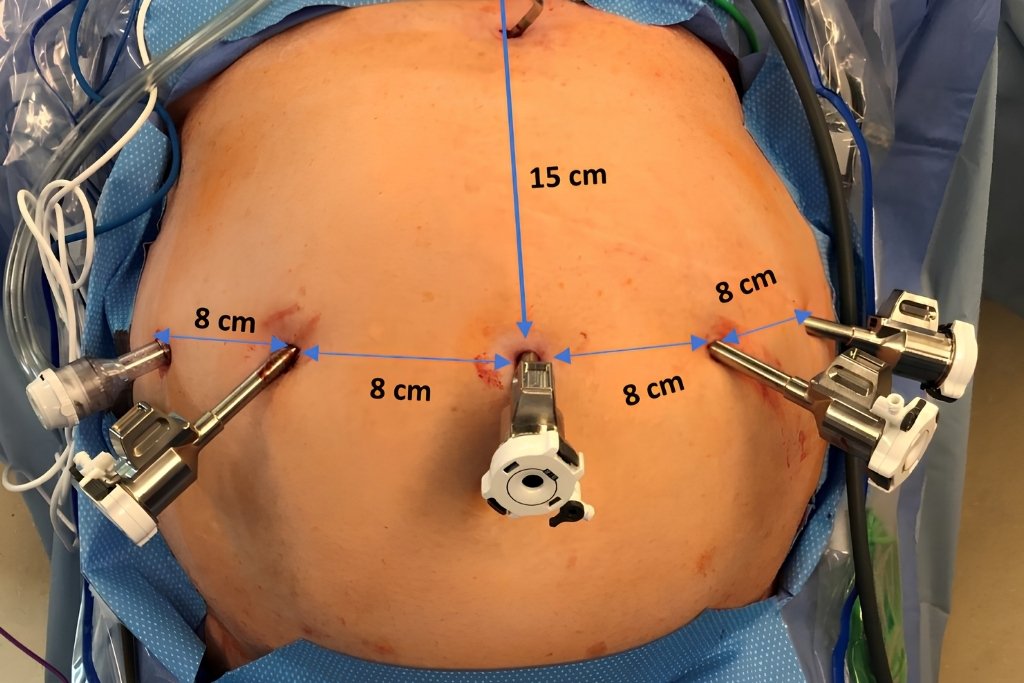
Before surgery, the diagnosis and severity of achalasia are assessed using appropriate investigations. High-resolution manometry is particularly useful for classifying achalasia, while endoscopy helps exclude mechanical obstruction and other conditions. During Robotic Surgery for Achalasia Cardia in Ahmedabad, the surgeon accesses the upper abdomen through small ports and uses the robotic system for controlled dissection around the gastro-oesophageal junction. The muscle fibres of the lower oesophageal sphincter are carefully divided while preserving the inner lining of the oesophagus. The myotomy is extended across the gastro-oesophageal junction to relieve the abnormal muscular resistance. A partial fundoplication may then be created to provide an anti-reflux barrier. The ports are removed and the small abdominal incisions are closed.
Benefits of Robotic Surgery for Achalasia Cardia
Robotic surgery combines minimally invasive access with surgeon-controlled robotic instruments for selected patients requiring surgical treatment of achalasia. The approach allows the myotomy and, when appropriate, anti-reflux repair to be performed during the same operation.
01. Precise Muscle Dissection
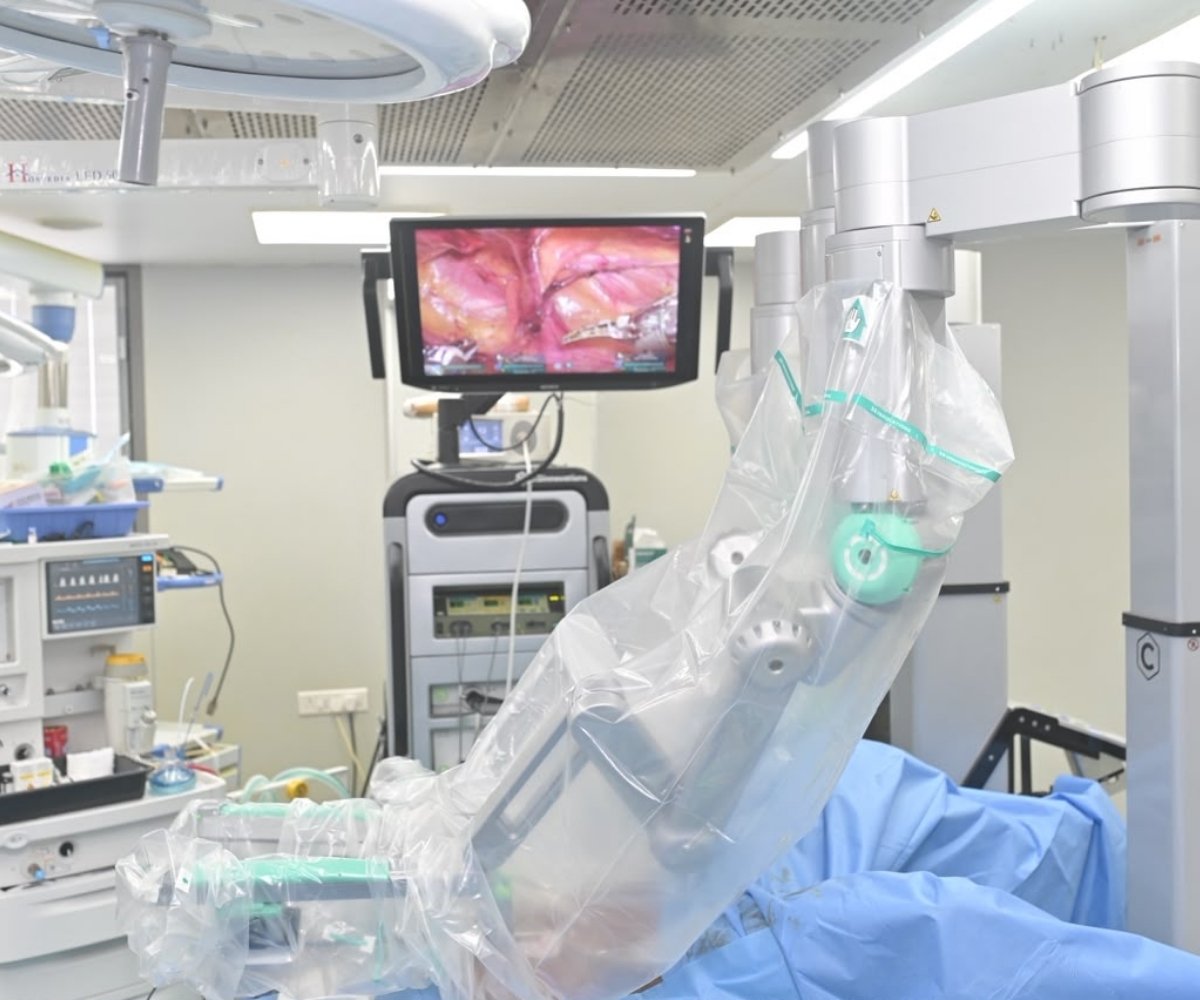
Magnified three-dimensional visualisation and wristed instruments can support controlled division of the abnormal muscle fibres around the gastro-oesophageal junction.
02. Small Surgical Access
The procedure is performed through small abdominal ports, avoiding the larger incision associated with traditional open surgery.
03. Controlled Myotomy
The surgeon can carefully determine the extent of muscle division according to the oesophageal anatomy and findings during the operation.
Robotic Surgery for Achalasia Cardia Recovery Time
Recovery after robotic Heller myotomy progresses gradually as the oesophagus and surgical sites heal. Diet and physical activity are advanced according to postoperative assessment and swallowing comfort.
Initial Recovery
The early period focuses on monitoring swallowing, managing discomfort and gradually introducing fluids after the surgical procedure.
Diet Progression
Patients generally progress from liquids to soft foods before returning towards a regular diet as swallowing becomes easier and the surgical area heals.
Returning to Activities
Light daily activities can be resumed progressively, while strenuous exercise and heavy lifting may be restricted during the early recovery period.
Follow-Up Assessment
Follow-up helps assess swallowing, reflux symptoms, nutritional intake and recovery while identifying any persistent or new symptoms.
FAQs About Robotic Fundoplication
What is robotic surgery for achalasia cardia?
It is a minimally invasive surgical treatment in which the muscle fibres of the lower oesophageal sphincter are divided to improve the passage of food from the oesophagus into the stomach.
Is robotic Heller myotomy the same as POEM?
Both treatments aim to relieve the abnormal muscle contraction at the lower oesophageal sphincter, but they use different access routes. Heller myotomy is performed surgically, while POEM is performed endoscopically through the mouth.
Can fundoplication be performed with robotic Heller myotomy?
Yes. A partial fundoplication may be performed after the myotomy to help reduce the risk of reflux, depending on the surgical plan and individual anatomy.
What tests are needed before achalasia surgery?
Evaluation may include high-resolution oesophageal manometry, upper GI endoscopy and contrast imaging. These tests help confirm achalasia, classify the condition and assess the oesophageal anatomy.
Can achalasia return after robotic surgery?
Treatment can provide long-term symptom relief, but some patients may experience persistent or recurrent symptoms. Follow-up is important to assess swallowing and reflux and determine whether further treatment is required.
How long does recovery take after robotic Heller myotomy?
Recovery varies between patients. Diet is usually advanced gradually, while normal activities are resumed progressively according to healing, swallowing comfort and postoperative instructions.
Discuss Your Achalasia Treatment Options
Robotic Surgery for Achalasia Cardia in Ahmedabad at Sunshine Surgical Hospital offers a minimally invasive surgical option for appropriately selected patients, with treatment planning based on oesophageal function, anatomy and previous treatment.