
ENT Treatment in Ahmedabad

Understanding ENT Treatment and Care
ENT treatment covers conditions affecting the ear, nose, throat, hearing, balance, voice and related head and neck structures. Some problems can be managed with medicines, allergy control, hearing support or other non-surgical measures, while structural or recurring conditions may require a procedure or surgery.
ENT Treatment in Ahmedabad begins with identifying the source of symptoms such as hearing difficulty, recurrent ear infections, nasal blockage, sinus problems, throat infections, dizziness, snoring or persistent voice changes. The treatment plan depends on the affected area, severity, duration and underlying cause.
When surgery is required, ENT procedures may include endoscopic sinus surgery, septoplasty, tonsil and adenoid surgery, ear surgery, voice procedures and other interventions selected according to the clinical findings.
Ear, Nose & Throat Conditions We Treat

Ear & Hearing Problems
Ear infections, eardrum problems, hearing loss, tinnitus, earwax blockage and selected middle-ear conditions may require medical, hearing-related or surgical management.

Sinus & Nasal Conditions
Sinusitis, nasal polyps, deviated nasal septum, turbinate enlargement, allergies and persistent nasal obstruction can affect breathing and may require targeted treatment.
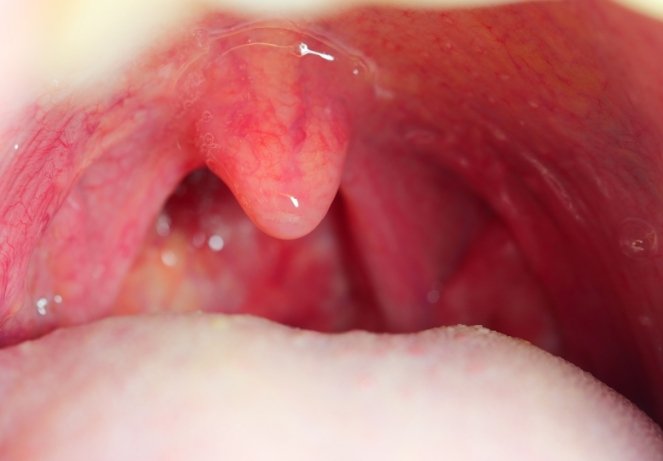
Throat & Tonsil Conditions
Recurring tonsillitis, enlarged tonsils, adenoid problems, throat infections and swallowing difficulties can be assessed to determine whether medical or surgical treatment is appropriate.

Voice & Laryngeal Problems
Persistent hoarseness, vocal cord disorders and other voice changes may require examination of the larynx and treatment directed at the underlying problem.

Vertigo & Balance Disorders
Dizziness, vertigo and balance disturbances can arise from the inner ear or other causes and may require specialised assessment before treatment is selected.
Snoring & Sleep-Related Breathing
Persistent snoring, nasal obstruction and suspected sleep-related breathing disorders may require evaluation of the nose, throat and upper airway.
When Is ENT Treatment Needed?
ENT evaluation may be appropriate when symptoms are persistent, recurrent or affecting everyday function.
01. Repeated Ear Problems
Frequent ear infections, ear discharge, blocked ears or recurring pain may require evaluation to identify an underlying ear condition.
02. Hearing Difficulties
Gradual or sudden hearing loss, tinnitus or difficulty understanding speech should be assessed to determine the cause and appropriate management.
03. Persistent Nasal Blockage
Ongoing difficulty breathing through the nose may result from allergies, sinus disease, a deviated septum, polyps or enlarged nasal structures.

04. Recurrent Sinus Problems
Repeated sinus infections, facial pressure, congestion or reduced sense of smell may require assessment when symptoms continue despite medical treatment.
05. Throat or Tonsil Problems
Frequent tonsillitis, enlarged tonsils, recurrent throat infections or swallowing difficulties may require further evaluation and, in selected cases, surgery.
06. Voice or Balance Changes
Persistent hoarseness, voice changes, dizziness or vertigo can have different causes and may require specialised ENT assessment.
Not every ENT condition requires surgery. The first step is to establish whether the problem is related to infection, inflammation, allergy, structural changes, hearing or balance function, or another underlying cause.
What Can ENT Treatment Help Address?
Better Nasal Breathing
Treatment may improve airflow when blockage is caused by structural or inflammatory problems.
Improved Hearing
Addressing ear disease or hearing-related problems may support better communication.
Reduced Sinus Symptoms
Selected treatments can address persistent congestion, pressure and recurrent sinus disease.
Better Sleep
Treating relevant nasal or upper-airway problems may help patients with snoring or sleep-related breathing concerns.
Voice Improvement
Treating an underlying vocal cord or laryngeal condition may improve persistent voice changes.
Improved Balance
Identifying the cause of vertigo or dizziness allows treatment to be directed at the underlying disorder.
Common ENT Procedures
ENT surgery is not one single type of procedure. The approach varies according to the affected area and condition.
Endoscopic Sinus Surgery
Used for selected chronic sinus conditions, nasal polyps and blocked sinus pathways.
Septoplasty
Corrects a deviated nasal septum when structural blockage contributes to breathing problems.
Tonsillectomy & Adenoidectomy
Removes enlarged or repeatedly infected tonsils or adenoids when surgery is indicated.
Ear Surgery
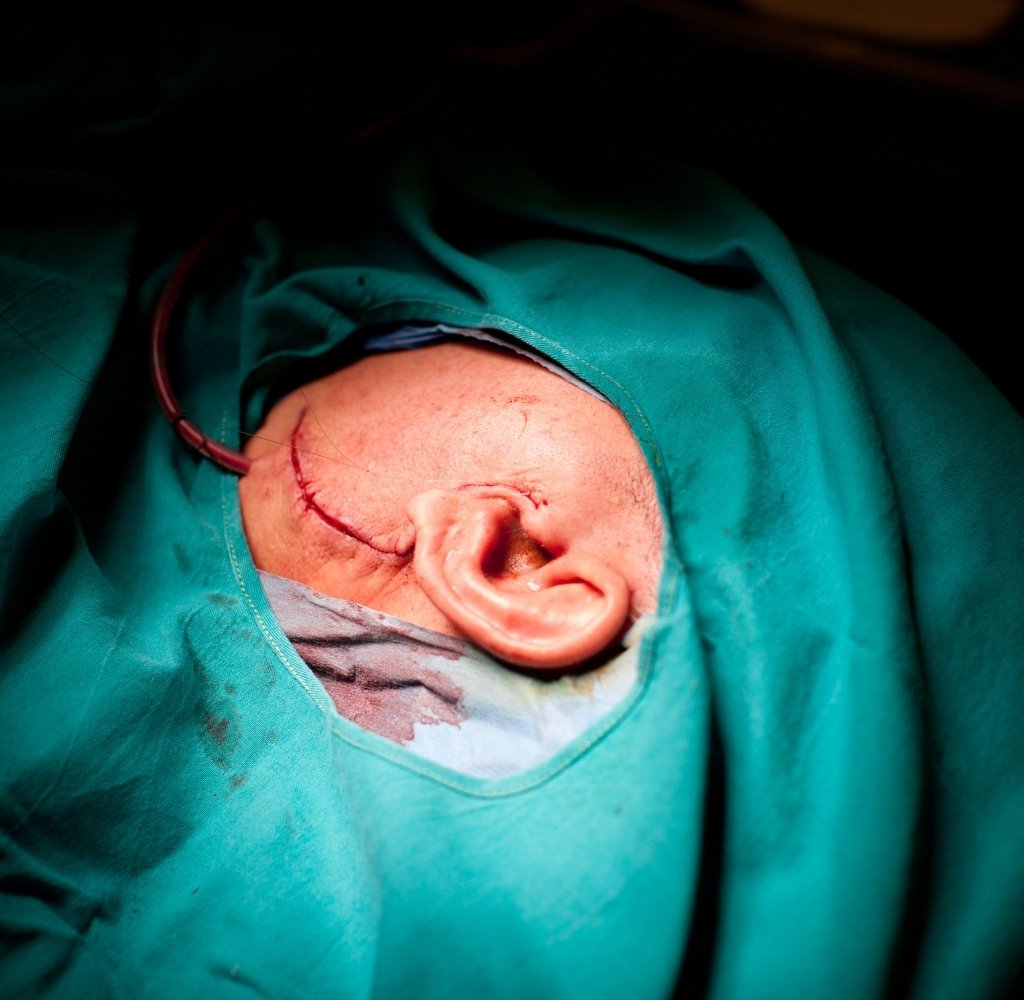
Procedures such as tympanoplasty or other microscopic ear operations may address eardrum and middle-ear conditions.
Laryngeal Procedures:
Selected vocal cord and laryngeal conditions may require microlaryngeal or endoscopic treatment.
Hearing & Balance Procedures
Depending on the cause, management may include hearing rehabilitation, injections, minor procedures or specialised treatment.
FAQs About ENT Treatment
When should I see an ENT specialist?
Consult an ENT specialist for persistent hearing loss, recurrent ear infections, chronic nasal blockage, repeated sinus problems, ongoing hoarseness, swallowing difficulty, vertigo or troublesome snoring.
Does every sinus problem require surgery?
No. Many sinus conditions can be treated medically. Surgery may be considered when symptoms persist, structural blockage is significant or chronic disease does not respond adequately to appropriate medical treatment.
What ENT treatments are available for hearing loss?
Management depends on the cause and may include treatment of ear disease, hearing devices, rehabilitation or selected surgical procedures. Hearing assessment helps determine the appropriate approach.
When is tonsil or adenoid surgery recommended?
Surgery may be considered for recurrent significant tonsillitis, enlarged tonsils or adenoids causing breathing or sleep problems, or other complications related to persistent enlargement or infection.
Can ENT treatment help with snoring?
It can in selected cases. Evaluation may identify nasal obstruction, enlarged tissues or other upper-airway factors contributing to snoring and determine whether medical, behavioural or surgical treatment is appropriate.
How long does recovery take after ENT surgery?
Recovery varies with the procedure. Some minor procedures have short recovery periods, while sinus, ear, tonsil or other operations may require several days or longer before full routine activities are resumed.
Discuss Your ENT Treatment Options
If you are experiencing persistent ENT symptoms or have been advised to consider surgery, schedule an evaluation to understand the cause of your condition and the available treatment options.