
Fistula-in-Ano Surgery in Ahmedabad
What Is Fistula-in-Ano Surgery?
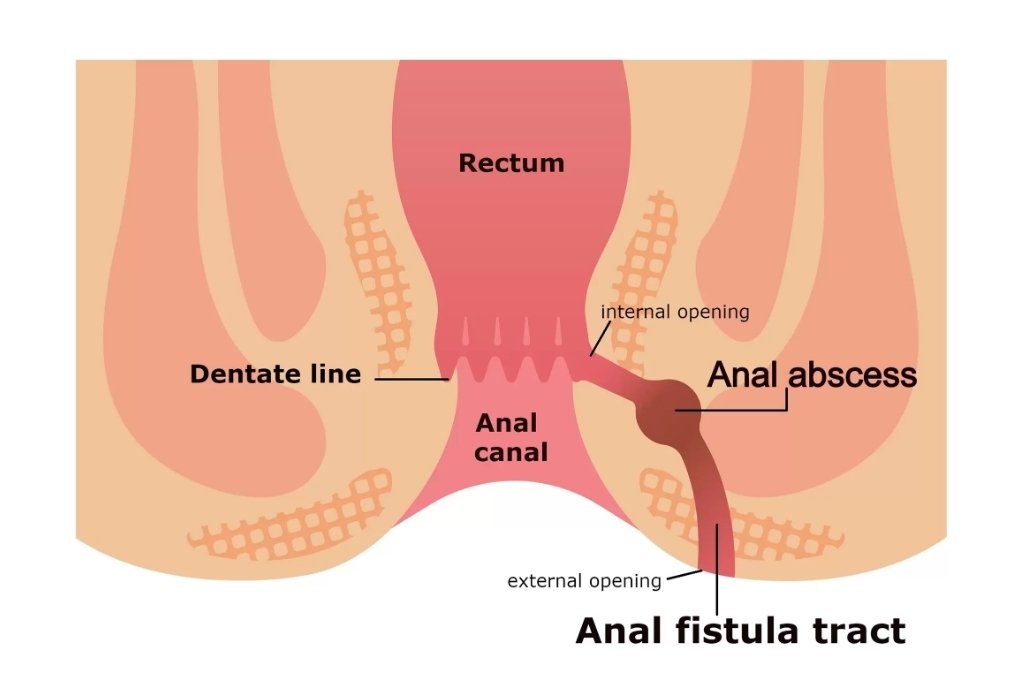
Fistula-in-Ano Surgery is a procedure used to remove, open or otherwise treat an abnormal fistulous tract connecting the anal canal or rectum to the surrounding skin. The surgical approach depends on the tract’s location, length, number of openings and relationship with the anal sphincter muscles.
Simple fistulas may be treated with fistulotomy, in which the tract is opened along its length so that it can heal from the inside outward. More complex fistulas may require sphincter-preserving techniques such as seton placement, advancement flap or other procedures.
For patients seeking Fistula-in-Ano Surgery in Ahmedabad, proper examination and assessment of the fistula tract are important before selecting the surgical technique.
When Is Fistula-in-Ano Surgery Considered?
Surgery may be considered when a fistula has become established and is unlikely to heal with medicines alone. Common situations include:
01. Persistent Discharge
Ongoing pus or fluid discharge from an opening near the anus.
02. Recurrent Abscess
Repeated swelling, pain or abscess formation may indicate a persistent fistulous tract.
03. Chronic Fistula
A fistula that continues over time generally requires definitive assessment and treatment.
04. Visible Opening
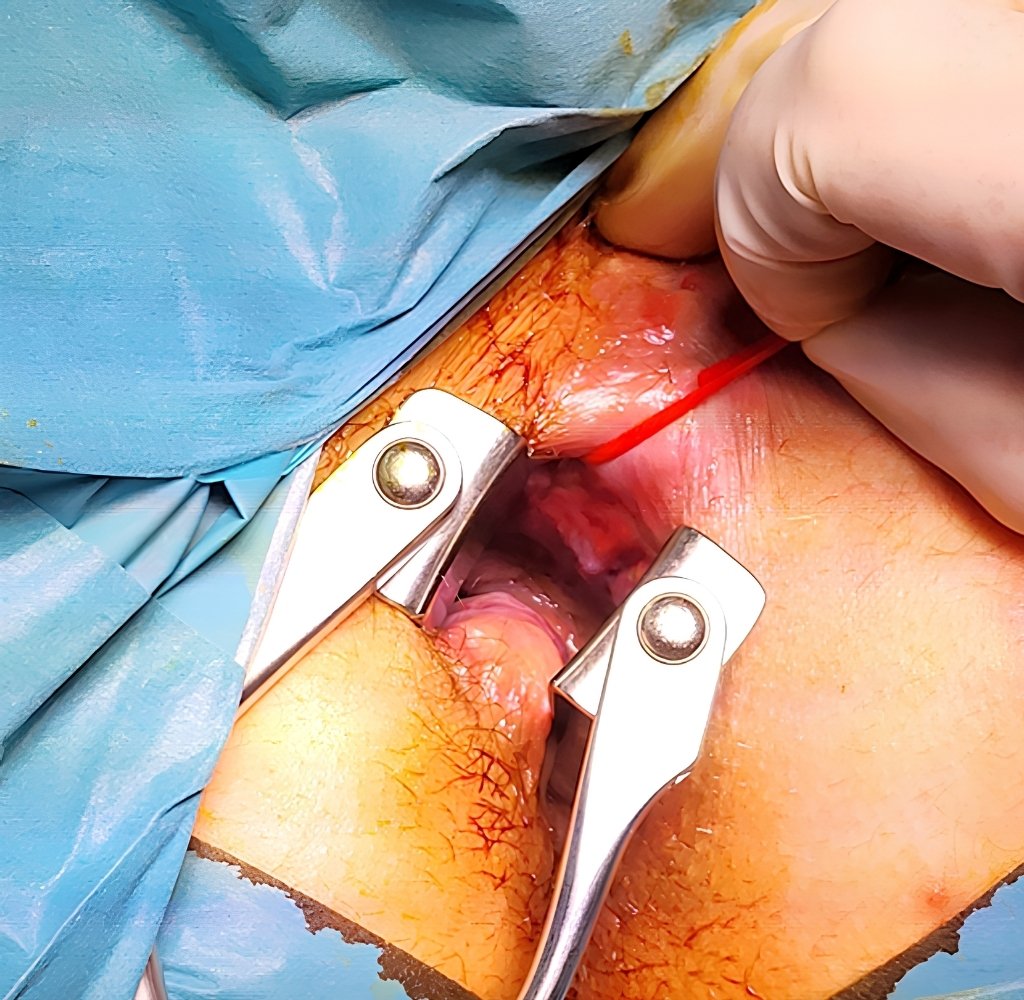
A small opening or pit near the anus that repeatedly drains may require evaluation.
05. Recurring Symptoms
Cycles of swelling, drainage and temporary improvement can occur when the tract remains active.
06. Complex Fistula
Multiple tracts, previous fistula surgery or significant sphincter involvement may require a specialised surgical approach.
Before surgery, the surgeon assesses the external and internal openings and may recommend imaging such as MRI in complex or recurrent cases.
How Is Fistula-in-Ano Surgery Performed?
The procedure is performed under appropriate anaesthesia, with the surgical technique selected according to the fistula anatomy. The surgeon first identifies the external and internal openings and follows the fistulous tract to understand its course in relation to the anal sphincter. For a simple fistula, fistulotomy may be performed by opening the tract along its length so it can heal gradually. In fistulas involving a greater portion of the sphincter, a sphincter-preserving procedure such as a seton, advancement flap or another suitable technique may be used. The tract is treated while avoiding unnecessary injury to healthy sphincter muscle. The exact approach depends on whether the fistula is simple, complex, recurrent or associated with other anorectal disease.
Benefits of Fistula-in-Ano Surgery
The expected outcome depends on the fistula’s anatomy, complexity, previous treatment and the procedure selected. Careful assessment is important to balance complete fistula treatment with preservation of normal anal function. When surgery is appropriate, treating the fistulous tract can address the underlying source of persistent symptoms rather than only controlling drainage or pain.
01. Treats the Fistula Tract
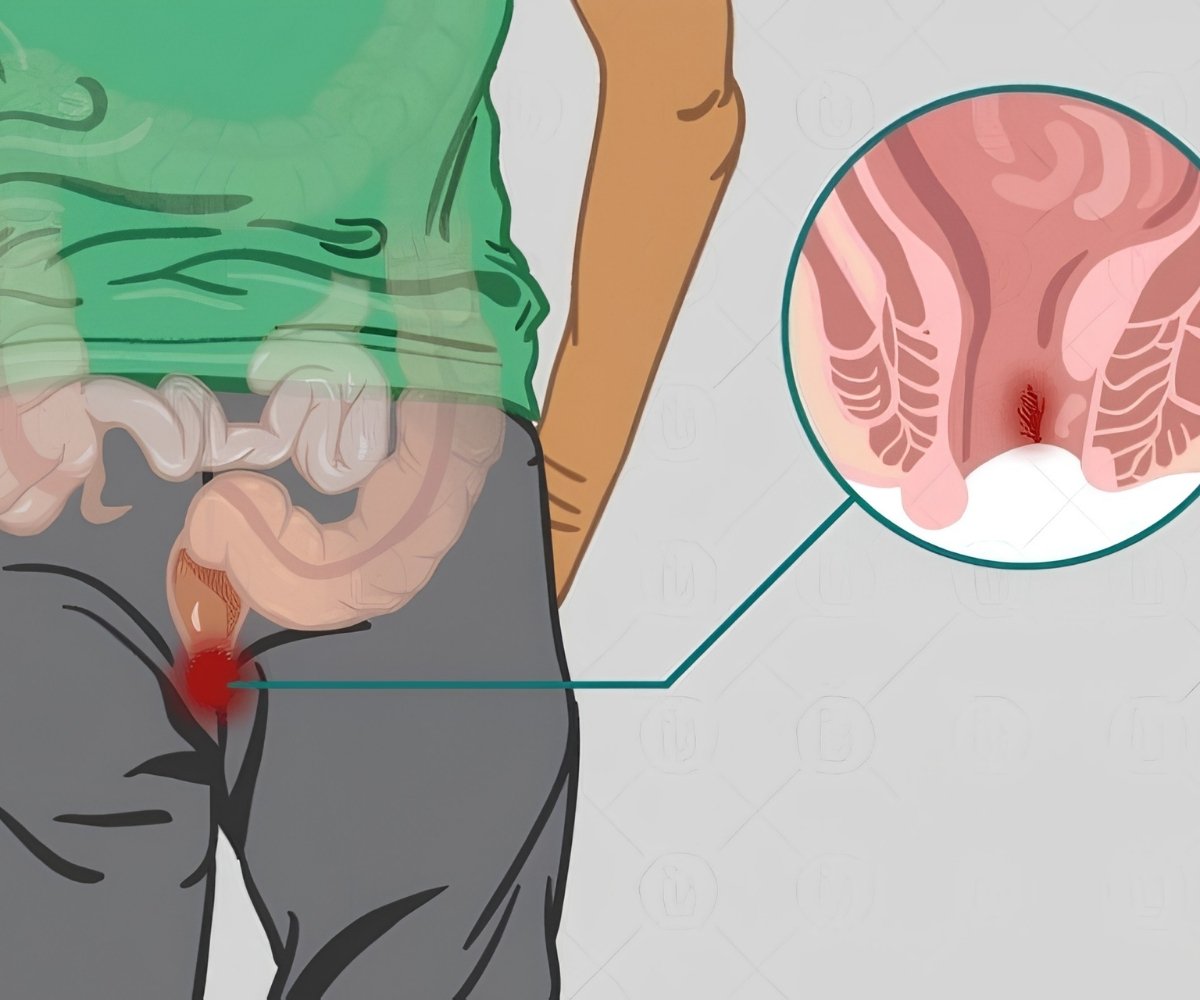
Addresses the abnormal tunnel connecting the anal canal or rectum with the surrounding skin.
02. Reduces Recurrent Drainage
Treating the tract can help stop persistent or repeated discharge from the external opening.
03. Prevents Repeated Abscesses
Definitive treatment can reduce the risk of recurrent infection and abscess formation.
04. Relieves Local Symptoms
Treatment can improve swelling, irritation, discomfort and recurring pain associated with the fistula.
Fistula-in-Ano Surgery Recovery Time
Recovery after Fistula-in-Ano Surgery depends on the type of fistula and the procedure performed. Healing may take longer when the fistula is complex or when a larger wound is intentionally left to heal gradually.
First 24 Hours
Monitoring, pain management and assessment of urination and the surgical area.
First Few Days
Mild pain, drainage or discomfort may occur, particularly during bowel movements.
First Week
Light activities can usually be resumed gradually while keeping the bowel movements soft.
Following Weeks
The wound or treated tract continues to heal, with dressings or local care as advised.
Returning to Exercise
Strenuous exercise, cycling and heavy lifting should be resumed after adequate healing and medical advice.
Follow-Up
Regular review may be required to assess wound healing and confirm that the fistula is resolving.
FAQs About Fistula-in-Ano Surgery
Can a fistula-in-ano heal without surgery?
An established anal fistula usually does not close permanently with medicines alone. Treatment is generally required to address the abnormal tract, although the appropriate approach depends on its anatomy.
Is MRI required before fistula surgery?
MRI is not necessary for every fistula. It may be recommended when the fistula is complex, recurrent, has multiple tracts or when its relationship with the anal sphincter is difficult to determine clinically.
How long does Fistula-in-Ano Surgery take?
The duration varies according to the number and complexity of fistulous tracts and the surgical technique required. Simple fistulas generally require less operative time than complex or recurrent cases.
Is fistula surgery always a fistulotomy?
No. Fistulotomy is commonly used for suitable simple fistulas, but complex fistulas may require sphincter-preserving procedures such as a seton, advancement flap or another technique.
How is a fistula different from an anal abscess?
An abscess is a collection of infection and pus, while a fistula is an abnormal tunnel that may remain after an abscess has drained. An untreated fistula can sometimes lead to recurrent abscesses.
Can a fistula come back after surgery?
Recurrence is possible, particularly with complex fistulas or when hidden branches or internal openings remain. Careful assessment and appropriate follow-up help identify persistent or recurrent disease.
Get Your Fistula Evaluated
A detailed examination can identify the fistula tract and help determine the appropriate surgical approach. Book an Appointment for Fistula-in-Ano Surgery in Ahmedabad