
Metabolic Surgery in Ahmedabad
What Is Metabolic Surgery?
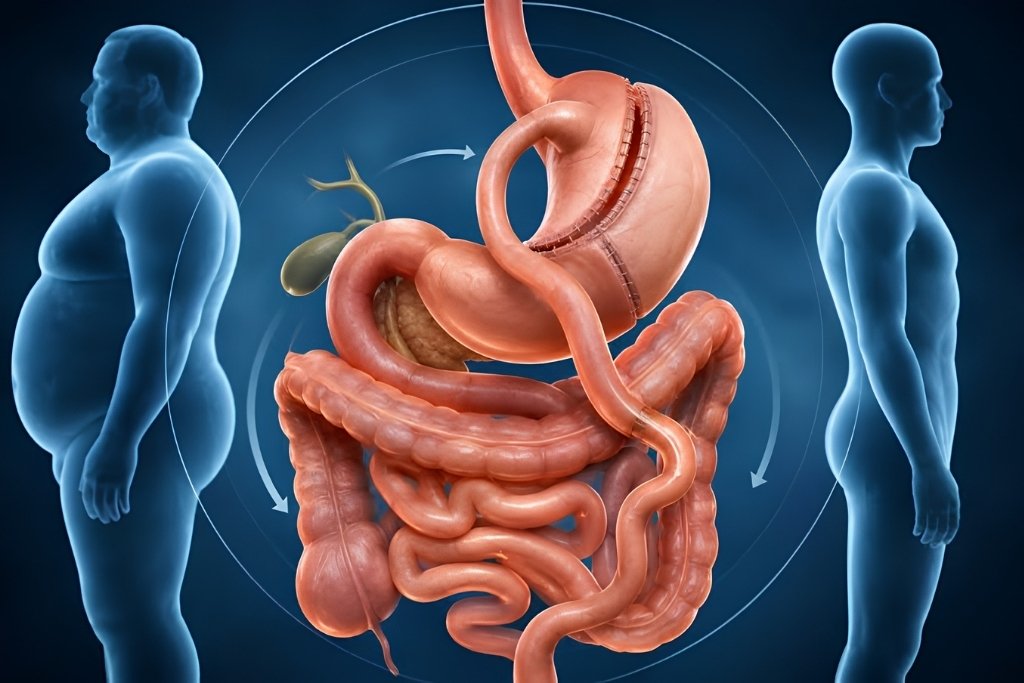
Metabolic Surgery refers to surgical procedures that can improve metabolic conditions by changing how the digestive system handles food and influences hormones involved in glucose regulation. While weight loss is an important effect, the purpose extends beyond reducing body weight.
Procedures such as sleeve gastrectomy and gastric bypass can influence insulin sensitivity, appetite regulation and blood sugar control. The most appropriate procedure depends on factors such as BMI, diabetes duration and control, medications, associated health conditions, previous abdominal surgery and digestive health.
When Is Metabolic Surgery Needed?
Metabolic Surgery may be considered when metabolic disease remains difficult to control despite appropriate medical treatment and lifestyle measures. Important factors considered during evaluation include:
01. Type 2 Diabetes
Persistent high blood sugar despite appropriate medical management may prompt surgical evaluation.
02. Related Conditions
High blood pressure, sleep apnoea, fatty liver and joint problems may influence the treatment plan.
03. Poor Glycaemic Control
Surgery may be considered when blood sugar targets remain difficult to achieve.
04. Obesity
Excess body weight can contribute to insulin resistance and make diabetes more difficult to control.
05. Diabetes Medications
The number and intensity of medicines required can form part of the overall assessment.
06. Long-Term Metabolic Risk
The overall duration and impact of diabetes are considered rather than weight alone.
A detailed assessment helps determine whether Metabolic Surgery in Ahmedabad is appropriate and which procedure may provide the most suitable metabolic effect.
How Is Metabolic Surgery Performed?
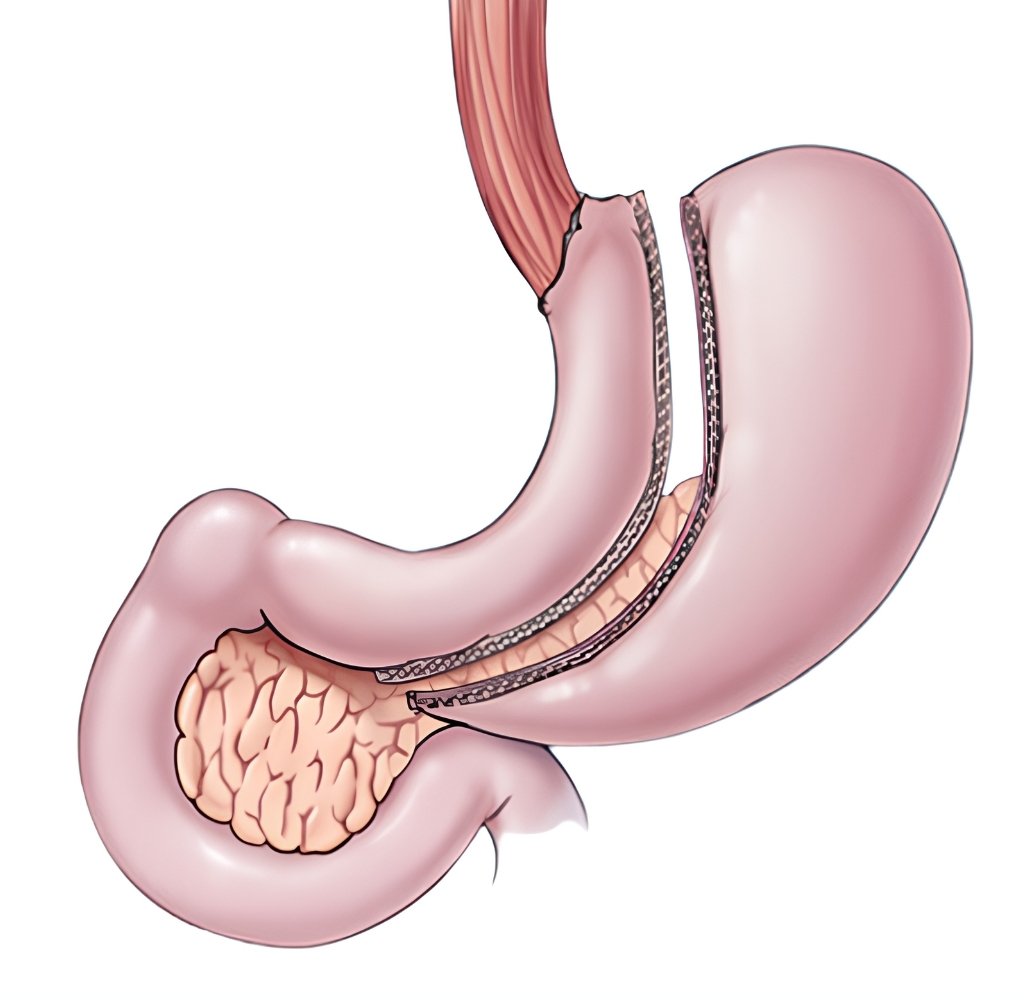
Metabolic Surgery is usually performed using minimally invasive laparoscopic techniques under general anaesthesia. Small abdominal incisions are used to introduce a camera and specialised surgical instruments. Depending on the selected procedure, the surgeon may remove a portion of the stomach to create a smaller sleeve or create a smaller stomach pouch and alter the intestinal pathway in gastric bypass surgery. These changes affect food intake and also influence gut hormones and metabolic signalling associated with blood sugar regulation. The exact procedure is selected after assessing obesity severity, diabetes control, digestive health, previous surgery and other medical factors.
Benefits of Metabolic Surgery
The degree of improvement varies between individuals and depends on factors such as diabetes duration, baseline metabolic health, procedure type and long-term follow-up. The effects of Metabolic Surgery can extend beyond weight reduction. Depending on the procedure and the individual’s metabolic condition, potential benefits may include:

01. Better Blood Sugar Control
Can improve glucose regulation and reduce the need for diabetes medicines.
02. Improved Insulin Sensitivity
Weight loss and hormonal changes may improve the body's response to insulin.
03. Weight Reduction
Reduced stomach capacity and changes in appetite can support substantial weight loss.
04. Blood Pressure Improvement
Weight and metabolic changes may contribute to better blood pressure control.
Metabolic Surgery Recovery Time
Recovery after Metabolic Surgery in Ahmedabad varies according to the procedure performed and the person’s overall health. A typical progression may include:
First 24 Hours
Monitoring, pain control, early movement and assessment for any immediate concerns.
First Few Days
Gradual introduction of fluids and progression according to the bariatric team's instructions.
First Week
Light daily activities may resume while dietary intake remains carefully structured.
Following Weeks
Food textures and portions are gradually advanced with nutritional guidance.
Returning to Exercise
Walking is encouraged early, while strenuous exercise and heavy lifting are resumed gradually.
Follow-Up
Regular reviews monitor weight, blood sugar, nutrition, medications and metabolic changes.
FAQs About Metabolic Surgery
Is Metabolic Surgery only for people with diabetes?
Metabolic surgery is mainly considered for people with obesity and metabolic disease, particularly type 2 diabetes. Eligibility depends on BMI, diabetes control, associated conditions and overall health.
Which surgery is used for metabolic disease?
Sleeve gastrectomy and gastric bypass are commonly considered procedures. The choice depends on BMI, diabetes characteristics, reflux, previous surgery, eating patterns and other medical factors.
Will I still need diabetes medicines after surgery?
Medication requirements may decrease substantially after surgery, but this varies from person to person. Diabetes medicines should only be changed under medical supervision.
Can Metabolic Surgery improve type 2 diabetes?
It can significantly improve blood sugar control in appropriately selected patients. Some people may require fewer diabetes medicines, while others may achieve diabetes remission.
Is Metabolic Surgery different from Bariatric Surgery?
The procedures can overlap, but their clinical goals may differ. Bariatric surgery primarily addresses obesity, while metabolic surgery places greater emphasis on improving conditions such as type 2 diabetes and metabolic disease.
Is long-term follow-up required after Metabolic Surgery?
Yes. Regular follow-up helps monitor weight, blood sugar, nutritional status, vitamin levels and medication requirements, particularly after gastric bypass.
Evaluate Your Metabolic Health Before Choosing Surgery
Discuss your health history, metabolic goals and available surgical options with a qualified bariatric and metabolic surgeon in Ahmedabad.