
Weight-Loss Surgery in Ahmedabad
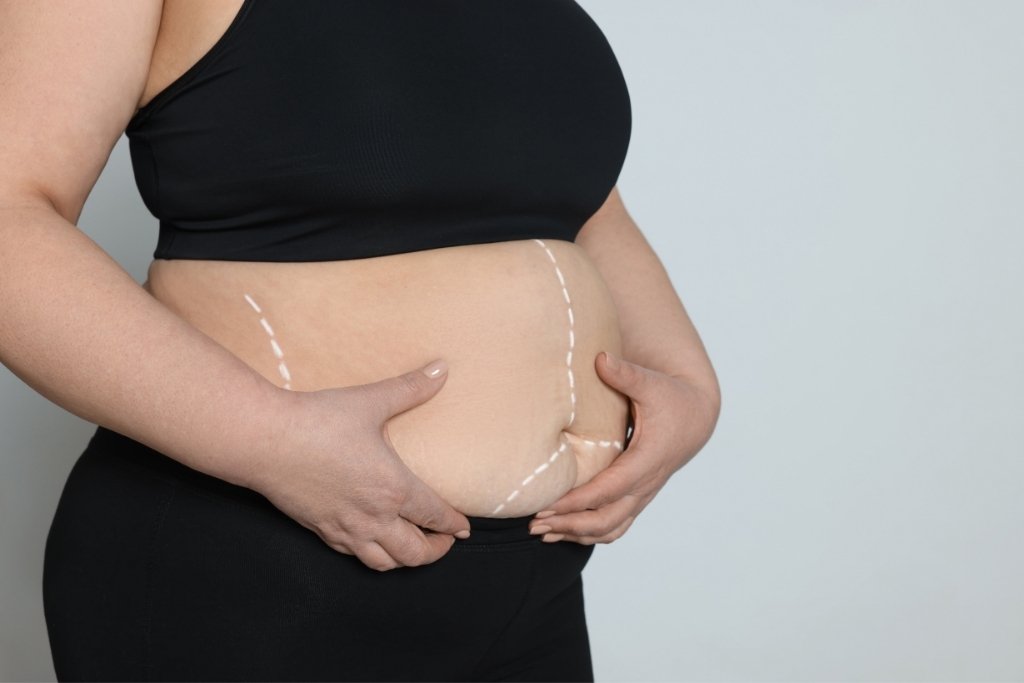
What Is Weight-Loss Surgery?
Weight-loss surgery, also known as bariatric surgery, is a group of procedures used to help people with significant obesity achieve sustained weight reduction and improve obesity-related health conditions. Depending on the procedure, surgery can reduce stomach capacity, alter food intake or produce metabolic changes that influence hunger and blood sugar regulation.
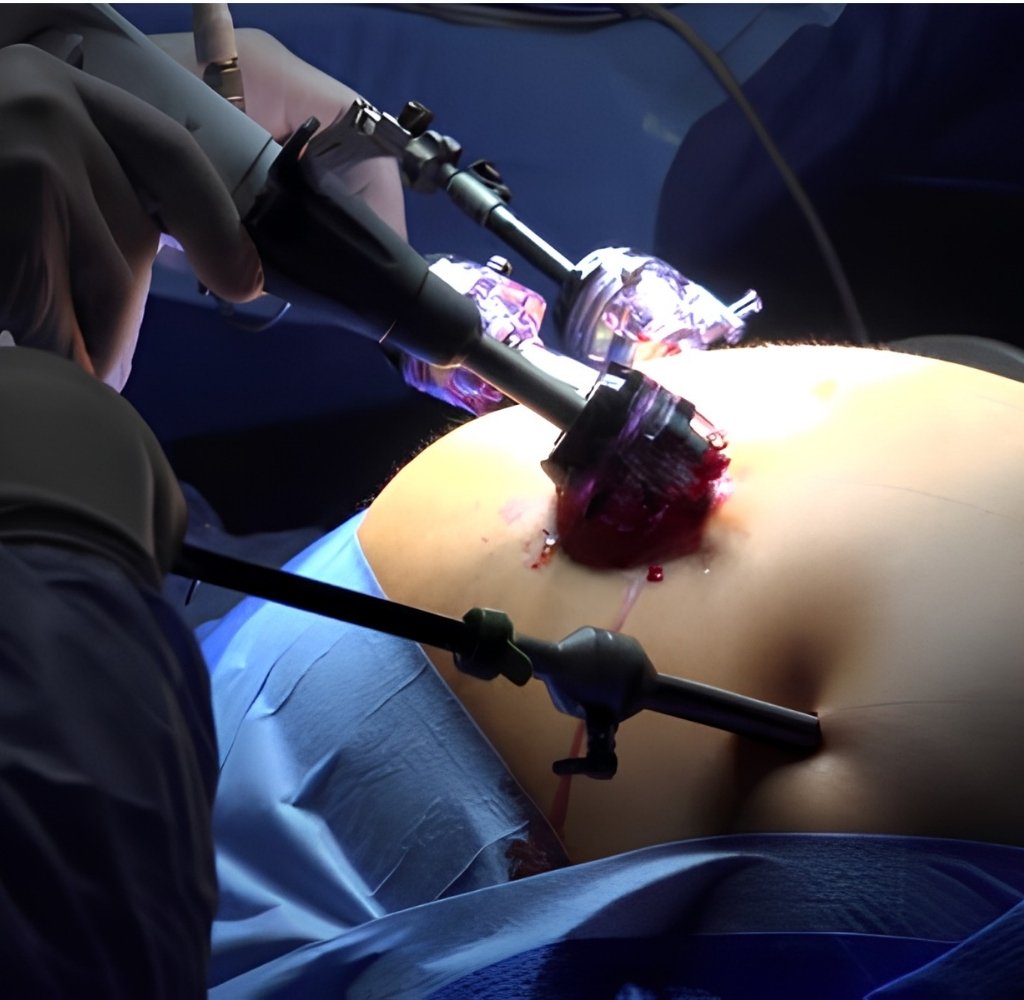
Common procedures include sleeve gastrectomy and gastric bypass. These operations are generally performed using minimally invasive techniques through small abdominal incisions. Surgery is combined with changes in eating habits, physical activity, nutritional care and regular medical follow-up for long-term weight management.
Weight-Loss Surgery in Ahmedabad begins with a detailed assessment of BMI, medical conditions, previous weight-loss efforts, eating patterns and nutritional health before a suitable procedure is selected.
When Is Weight-Loss Surgery Needed?
Weight-loss surgery may be considered when obesity is significantly affecting health and structured non-surgical approaches have not resulted in sufficient or sustained weight reduction.
01. Severe Obesity
Excess body weight is associated with significant health concerns.
02. Sleep Apnoea
Excess weight contributes to obstructive sleep apnoea and related health problems.
03. High Blood Pressure
Obesity contributes to persistent hypertension or related cardiovascular concerns.
04. Type 2 Diabetes
Obesity is contributing to difficult blood sugar control or metabolic complications.
05. Joint Problems
Increased weight places substantial stress on the knees, hips or other joints.
06. Weight Regain
Previous structured weight-management efforts have not produced lasting weight control.
The decision depends on more than body weight alone. BMI, obesity-related conditions, nutritional status, eating behaviour, previous treatments and the ability to follow long-term dietary and lifestyle recommendations are also assessed.
Types of Weight-Loss Surgery
Different bariatric procedures work through different mechanisms, and the appropriate option depends on individual medical and metabolic factors.
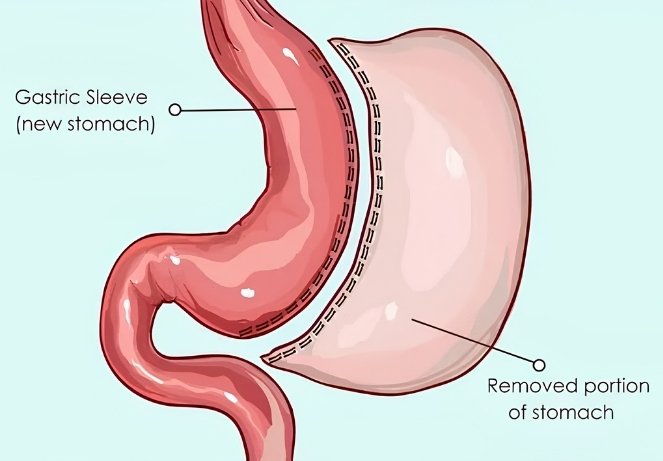
Sleeve Gastrectomy
Sleeve gastrectomy removes a large portion of the stomach, leaving a smaller sleeve-shaped stomach. It reduces stomach capacity and also affects hunger-related hormonal signals without bypassing the intestine.
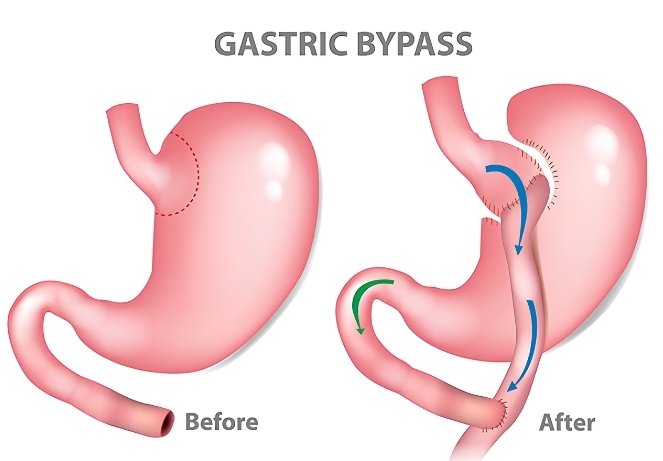
Gastric Bypass
Gastric bypass creates a smaller stomach pouch and connects it to a different section of the small intestine. It reduces food intake and changes nutrient absorption and metabolic signalling.
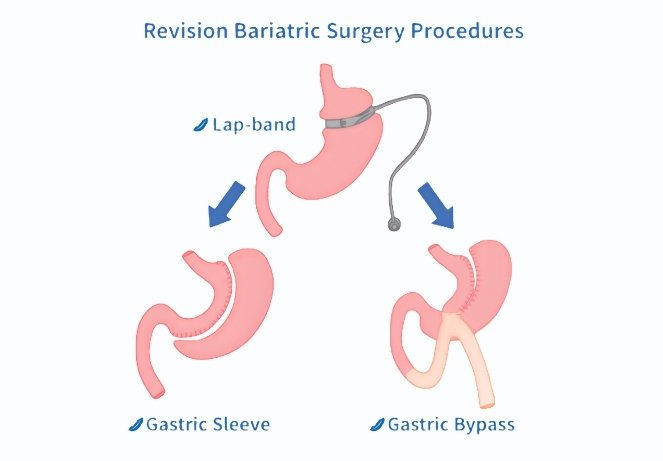
Revisional Bariatric Surgery
In selected patients who have previously undergone bariatric surgery, another procedure may be considered because of inadequate weight loss, significant weight regain or a complication related to the earlier operation.
Is Weight-Loss Surgery Safe?
Weight-loss surgery is performed using established surgical techniques, but like any major operation, it carries potential risks. A detailed medical evaluation, appropriate procedure selection and experienced surgical care are important parts of reducing these risks. Depending on the procedure and individual health, possible concerns can include bleeding, infection, blood clots, leakage, nutritional deficiencies or problems related to anaesthesia. Long-term issues may include vitamin deficiencies, changes in bowel or digestive function and weight regain. Most bariatric procedures are performed laparoscopically through small abdominal incisions. Pre-operative assessment and regular follow-up help monitor recovery, nutrition, weight changes and obesity-related health conditions.
Weight-Loss Surgery Recovery Time
Recovery after weight-loss surgery progresses gradually as the body adapts to changes in stomach capacity and food intake.
First 24 Hours
Monitoring, pain control and early mobilisation begin after surgery.
First Few Days
Fluids are introduced gradually while walking and activity increase as tolerated.
First Week
A prescribed liquid or modified diet is followed while the surgical sites heal.
Following Weeks
Food texture and portion sizes are progressed gradually under dietary guidance.
Returning to Exercise
Walking begins early, while strenuous activity is introduced after surgical review.
Follow-Up
Regular visits monitor weight, hydration, nutrition, medication needs and recovery.
FAQs About Weight-Loss Surgery
What is the difference between weight-loss surgery and bariatric surgery?
The terms are often used interchangeably. Bariatric surgery refers to surgical procedures designed to treat obesity and its related health conditions through changes in stomach capacity, food intake and metabolic function.
Which weight-loss surgery is most suitable for me?
There is no single procedure that is appropriate for everyone. BMI, diabetes, reflux, eating patterns, previous surgery, nutritional status and overall health help determine which procedure may be suitable.
Can weight-loss surgery help with diabetes?
Certain bariatric procedures can improve blood sugar control and may reduce the need for diabetes medicines. The degree of improvement varies according to the type and duration of diabetes and the procedure performed.
Can weight return after weight-loss surgery?
Some weight regain can occur over time. Long-term eating habits, physical activity, nutritional care and regular follow-up are important for maintaining weight reduction after the weight-loss surgery.
Will I need a special diet after weight-loss surgery?
Yes. Food and portion sizes are introduced in stages after surgery, beginning with liquids and progressing towards more solid foods. Long-term dietary guidance helps maintain nutrition while adapting to the smaller stomach capacity.
How long does it take to recover from weight-loss surgery?
Initial recovery usually takes several days, while diet, activity and daily routines are gradually increased over the following weeks. Recovery varies depending on the procedure and individual healing.
Begin Your Weight-Management Assessment
Book a consultation with Dr. Krunal K. Solanki at Sunshine Surgical Hospital, Ahmedabad.