
Bariatric Surgery for Obesity in Ahmedabad
What Is Bariatric Surgery for Obesity?
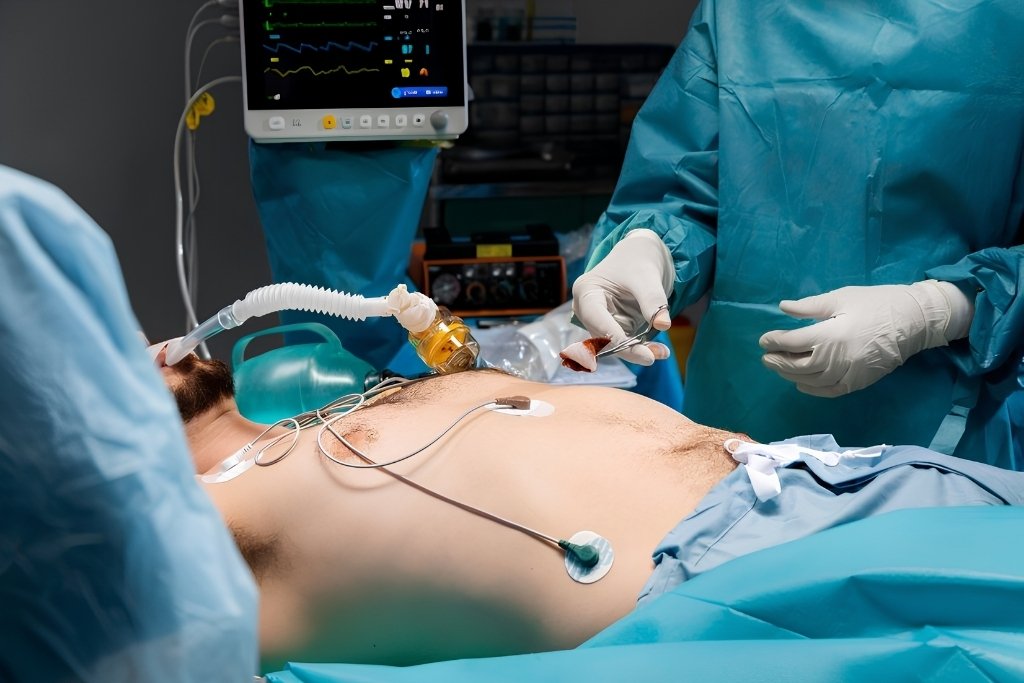
Bariatric surgery is a group of surgical procedures used to treat obesity when excess body weight is affecting health and non-surgical weight-management measures have not provided sufficient or lasting results. Depending on the procedure, surgery can reduce stomach capacity, alter food intake or change metabolic pathways that influence hunger, blood sugar and weight regulation.
Common procedures include sleeve gastrectomy and gastric bypass, with the choice depending on factors such as BMI, diabetes, reflux, eating patterns, previous treatments and overall health. Most bariatric procedures are performed using minimally invasive techniques through small abdominal incisions.
Bariatric Surgery for Obesity in Ahmedabad involves more than selecting a surgical procedure. A complete assessment helps determine whether surgery is appropriate and which procedure is suitable for the individual’s health and long-term weight-management needs.
When Is Bariatric Surgery for Obesity Needed?
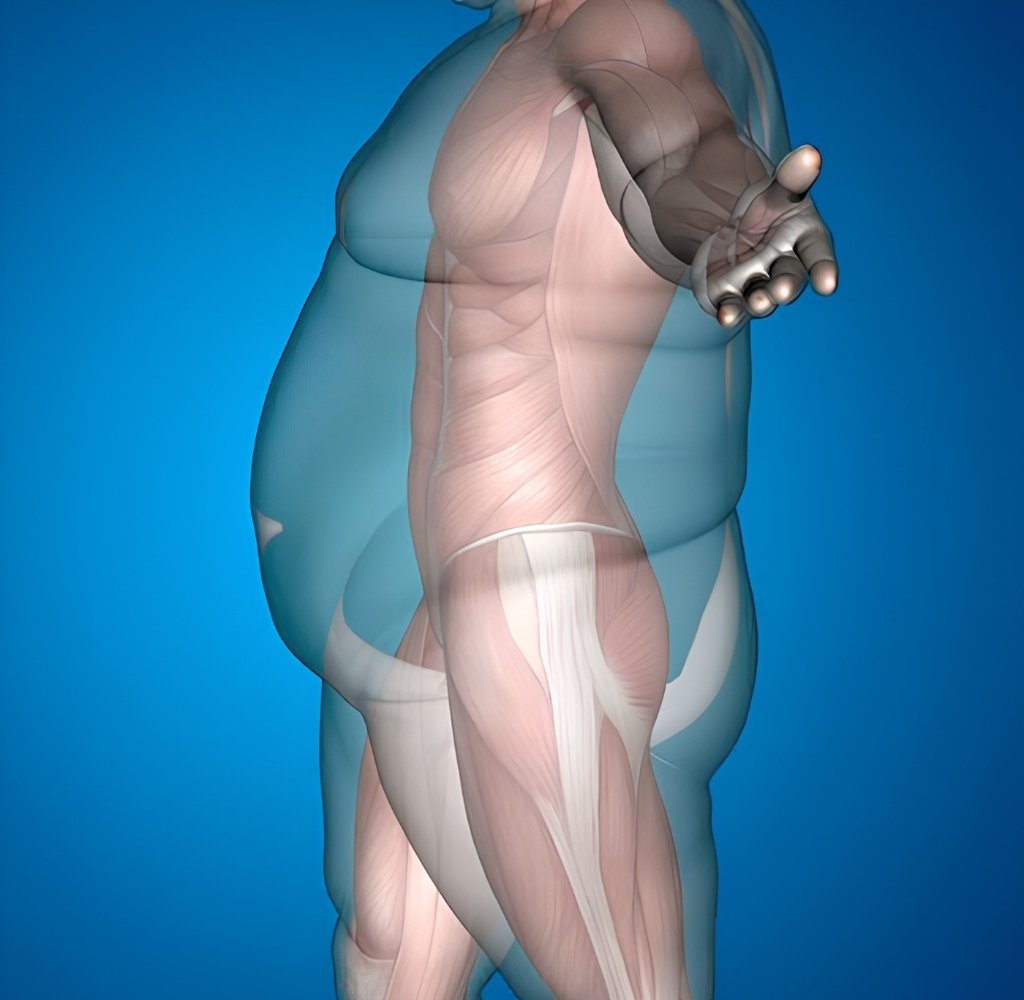
Bariatric surgery may be considered when obesity is significantly affecting health or quality of life and structured non-surgical approaches have not achieved adequate long-term weight control.
01. Severe Obesity
Excess body weight has become a significant health concern despite structured weight-management efforts.
02. Sleep Apnoea
Excess weight contributes to obstructive sleep apnoea and related health problems.
03. Hypertension
Obesity is associated with persistent high blood pressure and related cardiovascular risks.
04. Type 2 Diabetes
Obesity is contributing to difficult-to-control blood sugar levels or metabolic complications.
05. Joint Strain
Increased body weight is contributing to significant knee, hip or other joint problems.
06. Weight Regain
Previous weight-loss efforts have resulted in substantial regain or insufficient sustained improvement.
The decision is based on more than BMI alone. Medical history, obesity-related conditions, nutritional status, eating patterns, previous weight-management attempts and ability to follow long-term dietary and lifestyle recommendations are also considered.
When Is Bariatric Surgery for Obesity Performed?
Bariatric surgery is performed after a structured medical evaluation confirms that surgery is appropriate and the patient is adequately prepared for the procedure. Pre-operative assessment may include blood tests, nutritional evaluation, anaesthesia assessment and screening for conditions associated with obesity. Depending on the patient’s medical history, investigations such as upper GI endoscopy, abdominal imaging, sleep evaluation or cardiac assessment may also be required. Once the assessment is complete, the surgical procedure is selected according to the individual’s BMI, diabetes and other metabolic conditions, reflux symptoms, previous abdominal surgery, eating patterns and overall health. The operation is generally performed under general anaesthesia using a laparoscopic approach.
Benefits of Bariatric Surgery for Obesity
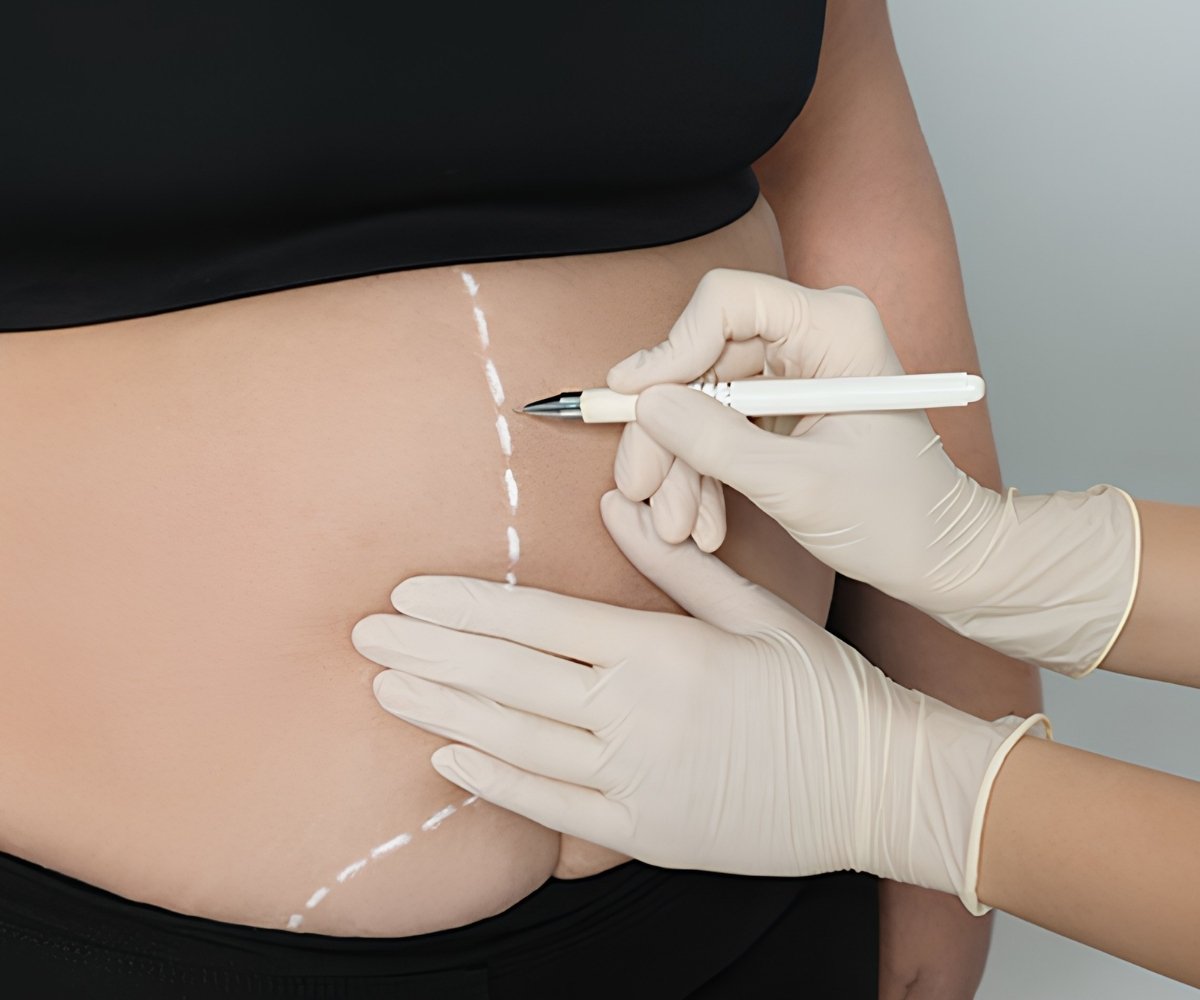
The extent of weight loss and improvement in obesity-related conditions varies between individuals. Long-term eating habits, physical activity, follow-up and nutritional care influence the results. Bariatric surgery can support substantial weight loss and may improve several health conditions associated with obesity when combined with long-term dietary, behavioural and medical follow-up.
01. Significant Weight Loss
Can support substantial reduction in excess body weight over time.
02. Blood Sugar Control
Weight loss and metabolic changes may improve type 2 diabetes.
03. Blood Pressure Improvement
Reduction in body weight may help improve obesity-related hypertension.
04. Better Mobility
Lower body weight can reduce stress on the knees, hips and other weight-bearing joints.
Bariatric Surgery for Obesity Recovery Time
Recovery after bariatric surgery progresses in stages as the body adapts to changes in stomach capacity, food intake and digestion.
First 24 Hours
Monitoring, pain management and early mobilisation begin after surgery.
First Few Days
Fluids are introduced gradually while walking and activity increase as tolerated.
First Week
A prescribed liquid or modified diet is followed while the surgical sites begin healing.
Following Weeks
Food texture and portion sizes are progressed gradually according to the bariatric team's guidance.
Returning to Exercise
Walking begins early, while strenuous exercise and heavy lifting are introduced after appropriate review.
Follow-Up
Regular appointments monitor weight, hydration, nutrition, medication needs and recovery.
FAQs About Bariatric Surgery for Obesity
Who may benefit from bariatric surgery?
Bariatric surgery may be considered for people with significant obesity, particularly when excess weight is associated with medical conditions and non-surgical weight-management measures have not provided adequate long-term results.
What types of bariatric surgery are available?
Common procedures include sleeve gastrectomy and gastric bypass. Other metabolic or revisional procedures may be considered in specific circumstances. The appropriate procedure depends on individual medical and surgical factors.
Does bariatric surgery permanently reduce weight?
Bariatric surgery is intended to support long-term weight reduction, but maintaining the result requires ongoing dietary habits, physical activity, nutritional care and follow-up. Some weight regain can occur over time.
Can bariatric surgery help with diabetes?
Certain bariatric procedures can improve blood sugar control and may reduce the need for diabetes medication. The degree of improvement depends on factors such as the type and duration of diabetes and the procedure performed.
How long does recovery after bariatric surgery take?
Initial recovery generally occurs over several days, while diet, activity and normal routines are progressed over the following weeks. The timeline varies according to the procedure and individual healing.
Will I need vitamins after bariatric surgery?
Nutritional supplementation is commonly required after bariatric surgery, although the specific vitamins and minerals depend on the procedure and individual nutritional needs. Regular monitoring helps identify and manage deficiencies.
Take the Next Step Towards Surgical Weight Management
Book a consultation with Dr. Krunal K. Solanki at Sunshine Surgical Hospital, Ahmedabad.