
Sleeve Gastrectomy Surgery in Ahmedabad
What Is Sleeve Gastrectomy?
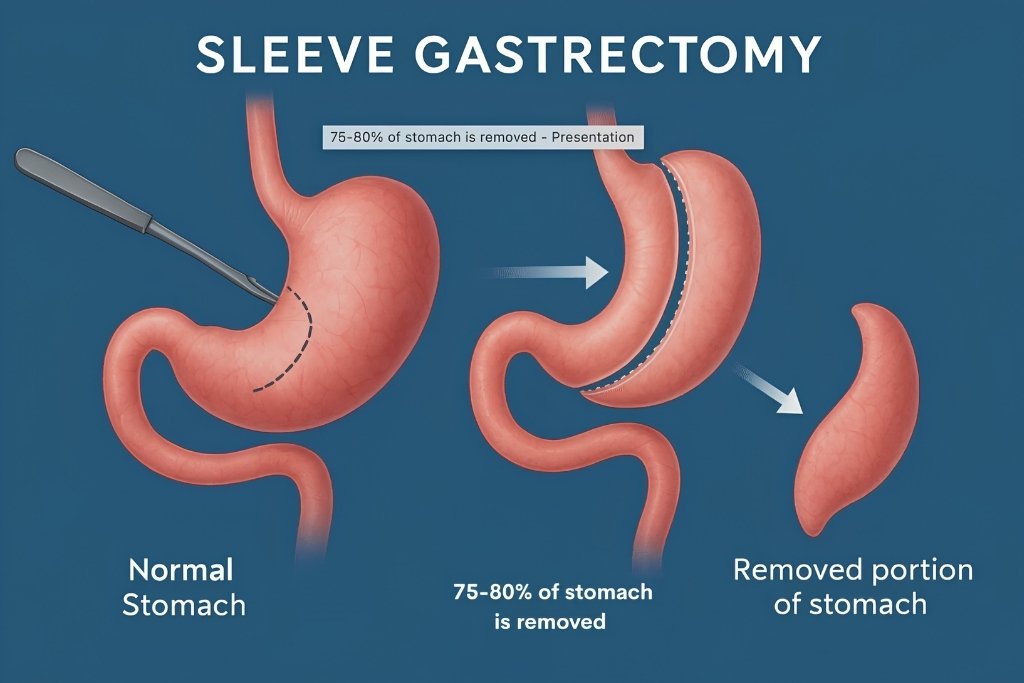
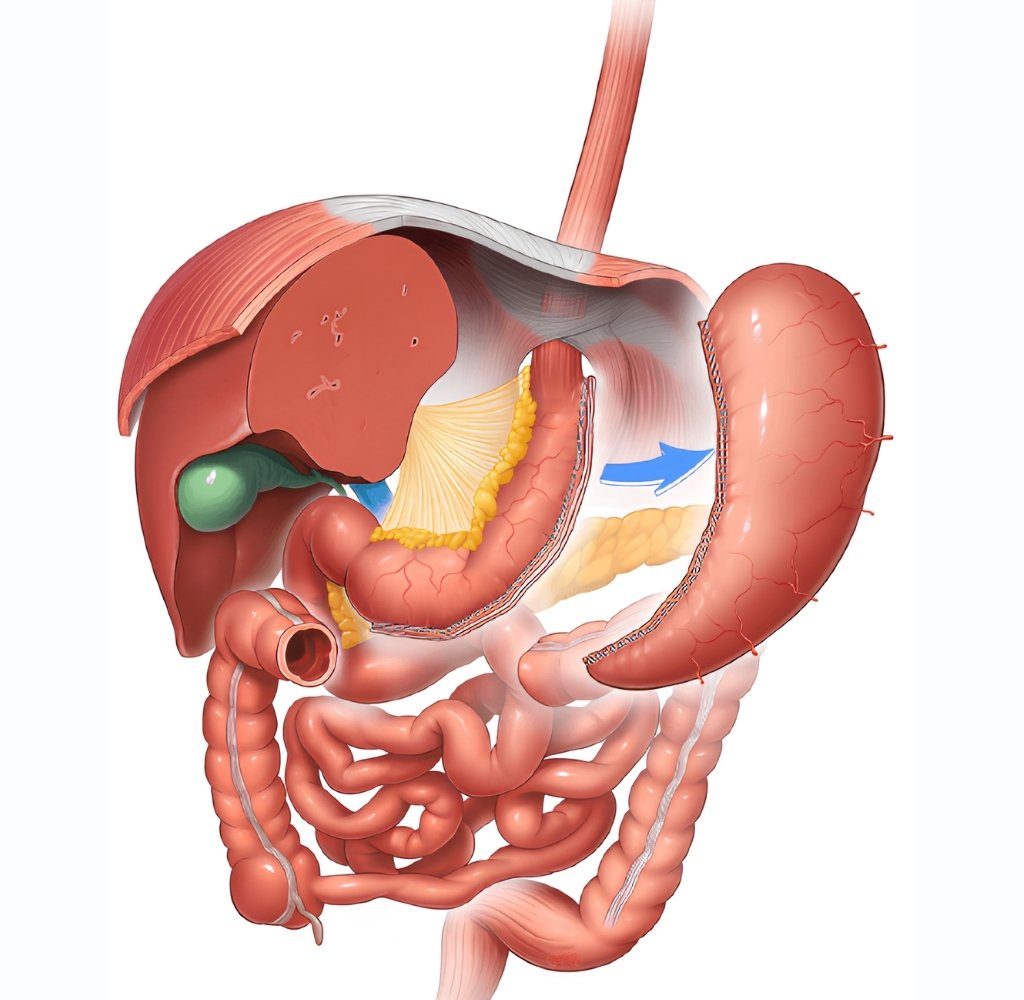
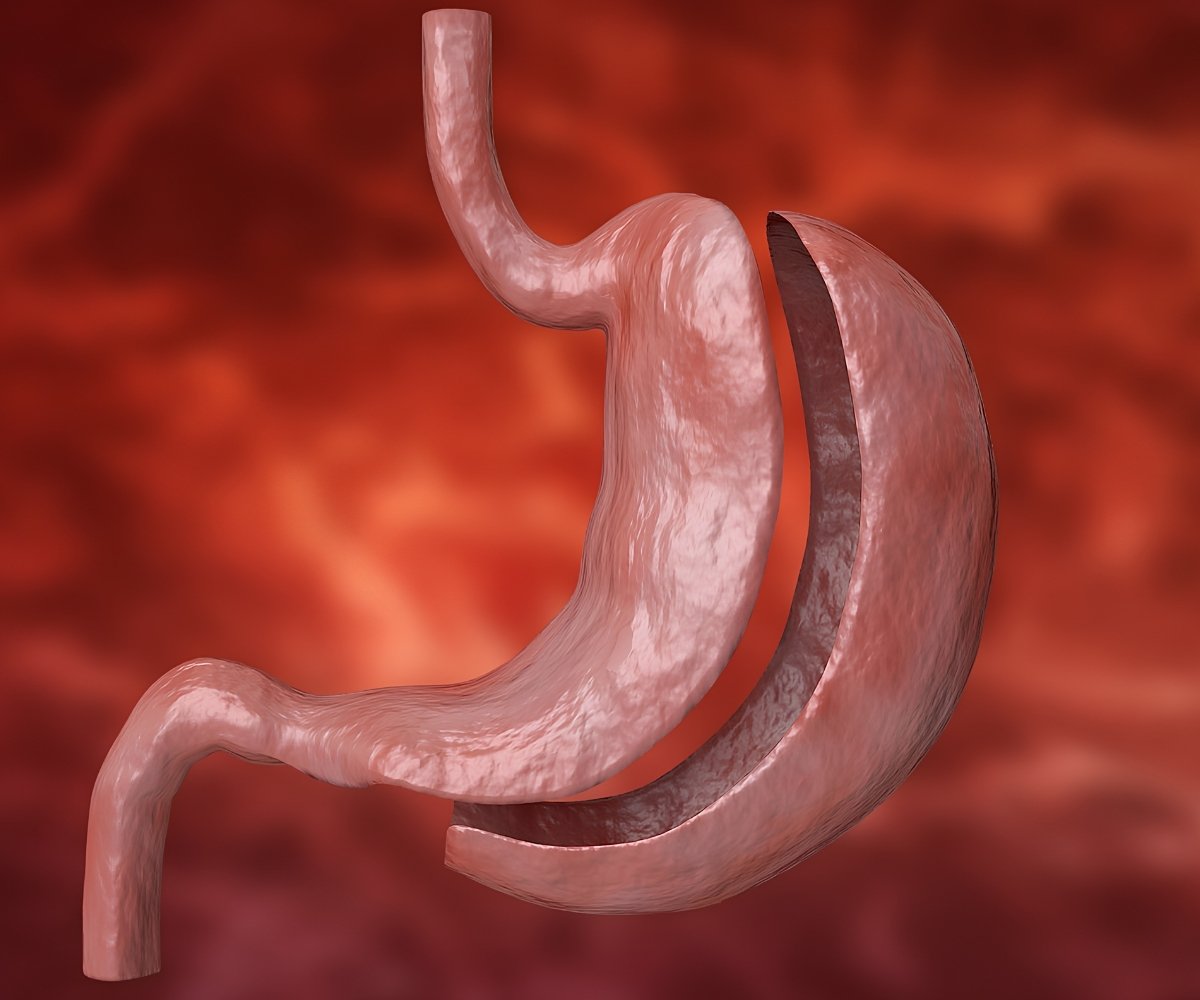
Sleeve gastrectomy is a bariatric procedure that reduces the size of the stomach to help with weight loss and improve obesity-related health conditions. During surgery, a large portion of the stomach is removed, leaving a narrow, tube-shaped stomach or “sleeve”.
The smaller stomach limits the amount of food that can be consumed at one time and also affects hunger-related hormonal signals. Unlike gastric bypass, sleeve gastrectomy does not reroute the intestine or create an intestinal bypass. The procedure is usually performed laparoscopically through small abdominal incisions.
Sleeve Gastrectomy Surgery in Ahmedabad is considered after evaluating body weight, obesity-related conditions, previous weight-loss efforts, eating patterns and overall health.
When Is Sleeve Gastrectomy Needed?
Sleeve gastrectomy may be considered when obesity is significant enough to affect health and structured non-surgical weight-management measures have not provided adequate or lasting improvement.
01. Severe Obesity
Body weight is substantially above the healthy range and is affecting overall health.
02. Sleep Apnoea
Excess weight contributes to obstructive sleep apnoea or related breathing problems.
03. High Blood Pressure
Obesity contributes to persistent hypertension despite appropriate management.
04. Diabetes
Obesity-related type 2 diabetes requires additional metabolic management.
05. Joint Problems
Excess body weight places significant stress on the knees, hips or other weight-bearing joints.
06. Weight Regain
Previous structured weight-loss attempts have resulted in significant regain or insufficient long-term improvement.
The decision is not based on weight alone. BMI, medical conditions, nutritional status, eating patterns, previous treatments and readiness for long-term dietary and lifestyle changes are considered before surgery.
When Is Sleeve Gastrectomy Performed?
Sleeve gastrectomy is performed after a structured pre-operative assessment confirms that bariatric surgery is appropriate and the patient is medically prepared for the procedure. The evaluation may include blood tests, nutritional assessment, anaesthesia review and screening for obesity-related conditions. Depending on the individual’s history, upper GI endoscopy, imaging, sleep evaluation or other specialist assessments may also be advised. Once the evaluation is complete, the surgical plan is determined according to the patient’s weight, health conditions, previous abdominal surgery, stomach anatomy and long-term weight-management goals. The procedure is generally performed under general anaesthesia using a laparoscopic approach.
Benefits of Sleeve Gastrectomy
The extent of weight loss and improvement in related health conditions varies between individuals and depends on long-term dietary habits, activity, follow-up and other factors. Sleeve gastrectomy can support significant and sustained weight loss when combined with appropriate dietary, behavioural and medical follow-up.
01. Reduced Stomach Capacity
A smaller stomach limits the amount of food consumed at one time.
02. Hunger Regulation
Removal of much of the stomach can affect hormones involved in appetite and hunger.
03. Weight Loss
The procedure can support substantial weight reduction over time.
04. Metabolic Improvement
Weight loss may improve conditions such as type 2 diabetes and high blood pressure.
Sleeve Gastrectomy Recovery Time
Recovery after sleeve gastrectomy progresses gradually as the stomach heals and the digestive system adapts to its smaller capacity.
First 24 Hours
Monitoring, pain control and early mobilisation begin after surgery.
First Few Days
Fluids are introduced according to the surgical team's instructions while activity gradually increases.
First Week
A prescribed liquid or modified diet is continued while the stomach begins healing.
Following Weeks
Food consistency and portion sizes are progressed gradually under dietary guidance.
Returning to Exercise
Walking is encouraged early, while strenuous exercise and heavy lifting are introduced later after review.
Follow-Up
Regular appointments monitor weight change, nutrition, hydration and adjustment to the new eating pattern.
FAQs About Sleeve Gastrectomy Surgery
How much of the stomach is removed during sleeve gastrectomy?
A large portion of the stomach is removed, leaving a narrow sleeve-shaped stomach. The remaining stomach continues to perform its normal digestive functions.
Is sleeve gastrectomy reversible?
Sleeve gastrectomy involves permanent removal of part of the stomach, so it is generally considered an irreversible procedure. The decision therefore requires careful pre-operative assessment.
Does sleeve gastrectomy require lifelong follow-up?
Long-term follow-up is recommended to monitor weight, nutrition, hydration and obesity-related health conditions. Vitamin and mineral supplementation may also be required based on individual nutritional needs.
Which is better: sleeve gastrectomy or gastric bypass?
Neither procedure is universally suitable for everyone. The choice depends on factors such as BMI, diabetes, reflux, eating patterns, previous surgery and overall health.
Can sleeve gastrectomy improve diabetes?
Weight loss after sleeve gastrectomy can improve blood sugar control and may reduce the need for diabetes medicines in some patients. The extent of improvement depends on the type and duration of diabetes and other individual factors.
What can I eat after sleeve gastrectomy?
Diet is introduced in stages, usually beginning with liquids before progressing to soft and then more solid foods. Portions remain smaller, and long-term dietary guidance is important for adequate nutrition.
Take the Next Step Towards Surgical Weight Management
Sleeve Gastrectomy Surgery in Ahmedabad is appropriate and which approach best fits your health needs. Book a consultation with Dr. Krunal K. Solanki at Sunshine Surgical Hospital, Ahmedabad.