
Complex Laparoscopic Surgery in Ahmedabad
What Is Complex Laparoscopic Surgery?
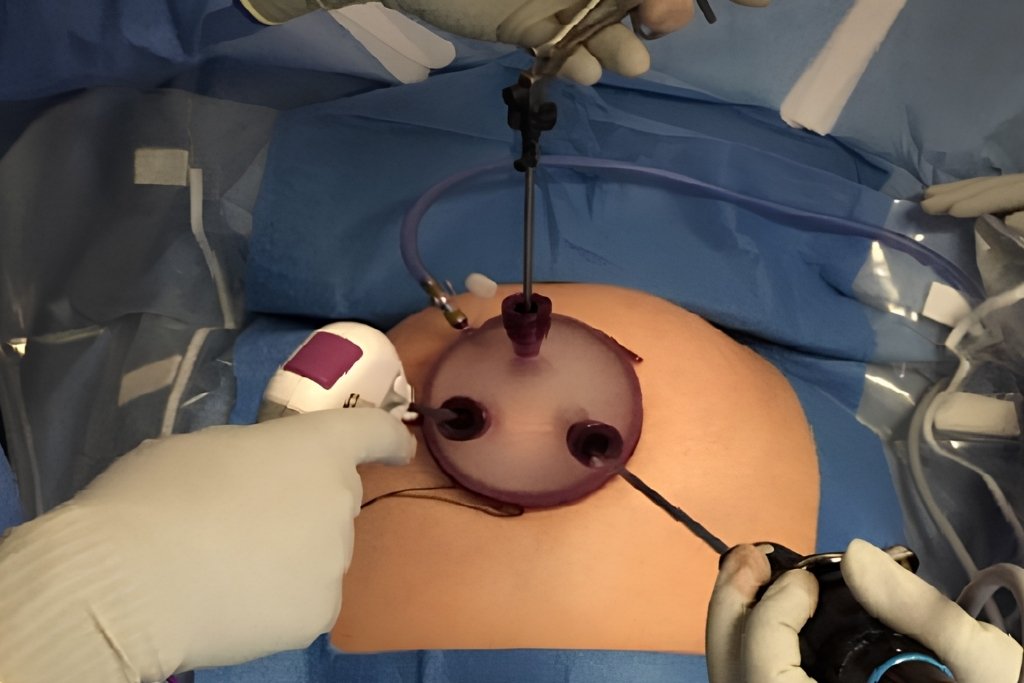
Complex Laparoscopic Surgery refers to minimally invasive procedures that require advanced surgical planning because of the complexity of the disease, anatomy or previous operations. These procedures may involve multiple organs, extensive adhesions, recurrent hernias, large abdominal defects or difficult gastrointestinal conditions.
Unlike routine laparoscopic procedures, complex cases may require careful dissection through scarred tissue, reconstruction of anatomical structures or advanced techniques such as eTEP, TAPP or laparoscopic abdominal wall reconstruction. The operation is performed through small incisions using a camera and specialised instruments, with the exact approach selected according to the patient’s condition.
When Is Complex Laparoscopic Surgery Needed?
Complex Laparoscopic Surgery may be considered when an abdominal condition requires technically demanding surgical treatment and a minimally invasive approach is appropriate.
01. Recurrent Hernias
A hernia returns after previous repair and requires detailed assessment of the abdominal wall.
02. Large Defects
Significant abdominal wall defects require reconstruction and reinforcement.
03. Complex GI Disease
Certain gastrointestinal conditions require advanced laparoscopic dissection or reconstruction.
04. Previous Surgery
Scar tissue or adhesions from earlier operations make the surgical anatomy more complex.
05. Multiple Conditions
More than one abdominal problem may need to be addressed during the same surgical plan.
06. Difficult Anatomy
Altered anatomy, dense adhesions or an unusual anatomical relationship increases technical complexity.
Assessment may include physical examination, previous surgical records, CT scans, endoscopy or other investigations depending on the condition. The feasibility of laparoscopic surgery is determined after considering the disease, anatomy, previous procedures and overall health.
How Is Complex Laparoscopic Surgery Performed?
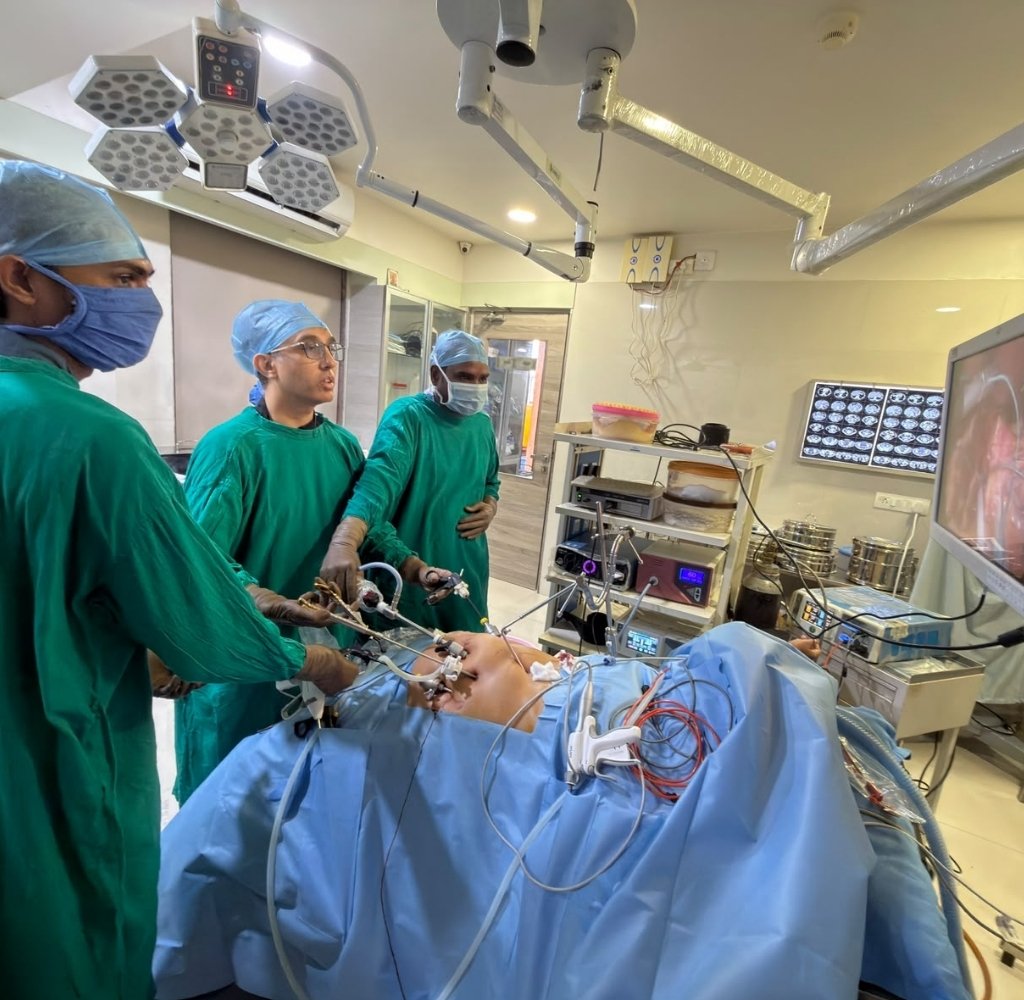
Complex Laparoscopic Surgery is performed under general anaesthesia through carefully planned small abdominal incisions. A camera provides magnified visualisation of the operative area while specialised instruments are used to separate tissues, release adhesions and reach the affected structures. Depending on the condition, the procedure may involve bowel surgery, hernia repair, abdominal wall reconstruction, organ removal or repair of damaged tissue. Advanced laparoscopic techniques such as eTEP or TAPP may be used when the anatomy and surgical objective require access to specific tissue planes. Diseased or damaged tissue is treated or removed as necessary, and reconstruction or mesh reinforcement may be performed when indicated. The surgical area is checked before the instruments are removed and the incisions are closed. In particularly difficult cases, the surgeon may modify the operative plan or convert to open surgery if this provides a safer way to complete the procedure.
Benefits of Complex Laparoscopic Surgery
The benefits and suitability depend on the individual condition. Some complex cases may still require an open approach when this provides better access or safety. When a complex abdominal procedure can be safely performed laparoscopically, the approach can provide the advantages of minimally invasive access while allowing advanced surgical techniques.
01. Smaller Incisions
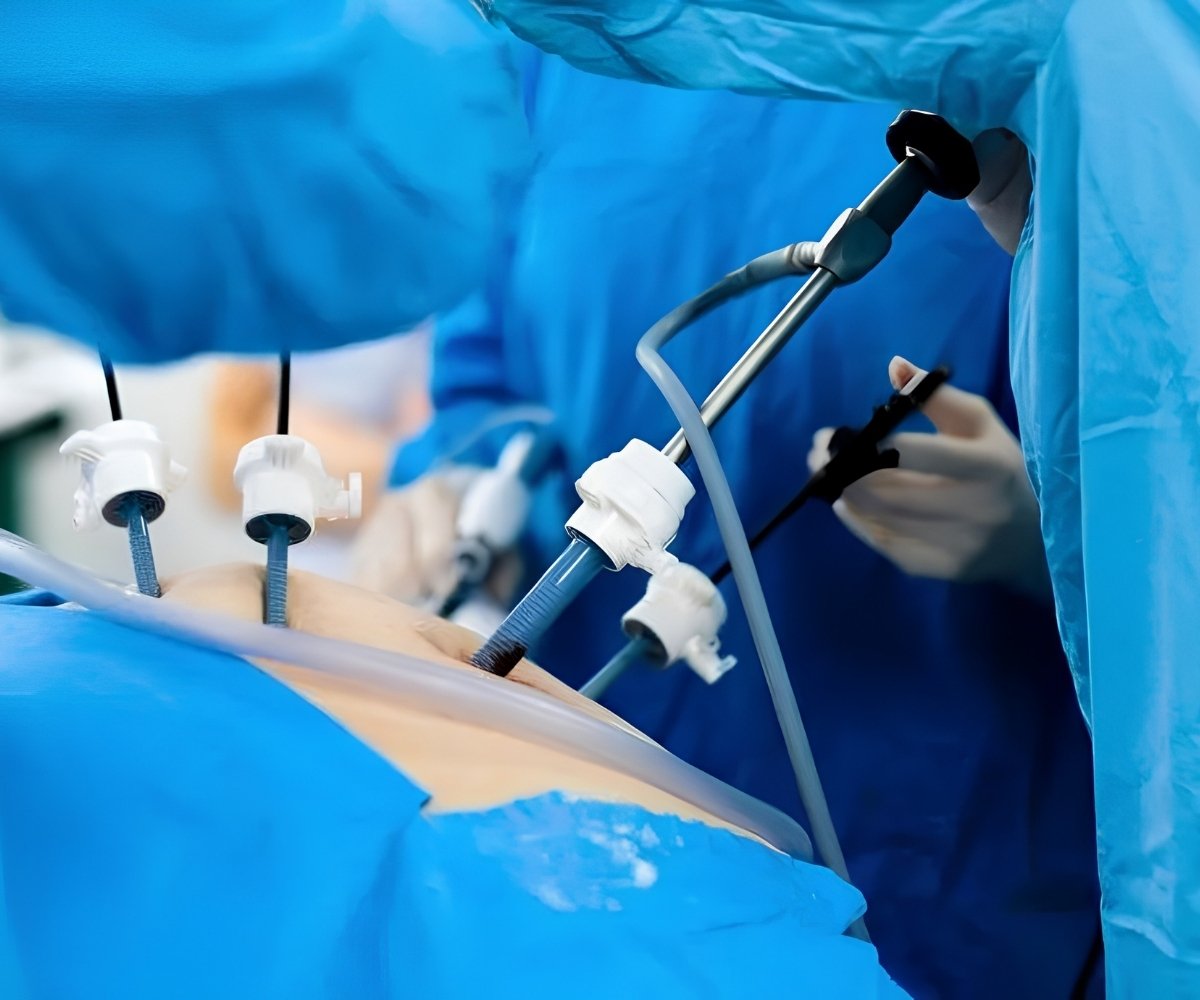
Uses several small access points rather than a large abdominal incision.
02. Magnified Visualisation
The laparoscopic camera provides detailed views of difficult anatomical areas.
03. Precise Dissection
Specialised instruments allow controlled separation of tissues and adhesions.
04.Advanced Techniques
Techniques such as eTEP, TAPP and laparoscopic reconstruction can be used when appropriate.
Complex Laparoscopic Surgery Recovery Time
Recovery after Complex Laparoscopic Surgery depends heavily on the type and extent of the operation. More extensive procedures generally require more recovery time than routine laparoscopic surgery.
First 24 Hours
Monitoring, pain control and early movement begin according to the procedure performed.
First Few Days
Walking and oral intake are gradually increased while bowel function and wounds are monitored.
First Week
Energy and appetite generally begin improving, although fatigue may continue.
Following Weeks
Daily activities increase progressively as internal healing continues.
Returning to Exercise
Heavy lifting and strenuous activity are resumed only after surgical assessment.
Follow-Up
Follow-up evaluates wound healing, bowel function, pain, activity and overall recovery.
FAQs About Complex Laparoscopic Surgery
What makes a laparoscopic procedure complex?
Complexity may result from previous abdominal surgery, dense adhesions, recurrent hernias, large defects, altered anatomy, extensive disease or the need for reconstruction involving multiple structures.
Is open surgery sometimes required during a complex laparoscopic?
Yes. If the anatomy is difficult to safely manage laparoscopically or unexpected findings occur, converting to an open approach may be necessary to complete the operation safely.
How long does recovery take after Complex Laparoscopic Surgery?
Recovery varies considerably because the term covers different types of operations. Smaller procedures may recover relatively quickly, while extensive bowel surgery or abdominal wall reconstruction can require several weeks.
Can complex surgery still be performed through small incisions?
In selected cases, yes. Advanced laparoscopic techniques can allow difficult abdominal procedures to be performed through small access points, depending on the disease and anatomy.
Can previous abdominal surgery prevent laparoscopic surgery?
Not necessarily. Previous surgery may create adhesions or alter the anatomy, but laparoscopic surgery can still be possible in selected patients after careful assessment.
Which investigations are required before complex laparoscopic surgery?
The evaluation depends on the condition and may include CT imaging, ultrasound, endoscopy, blood tests and review of previous operative records. These findings help determine the surgical approach.
Discuss Your Complex Abdominal Surgery Options
Book a consultation with Dr. Krunal K. Solanki at Sunshine Surgical Hospital, Ahmedabad.