
Laparoscopic Intestinal Surgery in Ahmedabad
What Is Laparoscopic Intestinal Surgery?
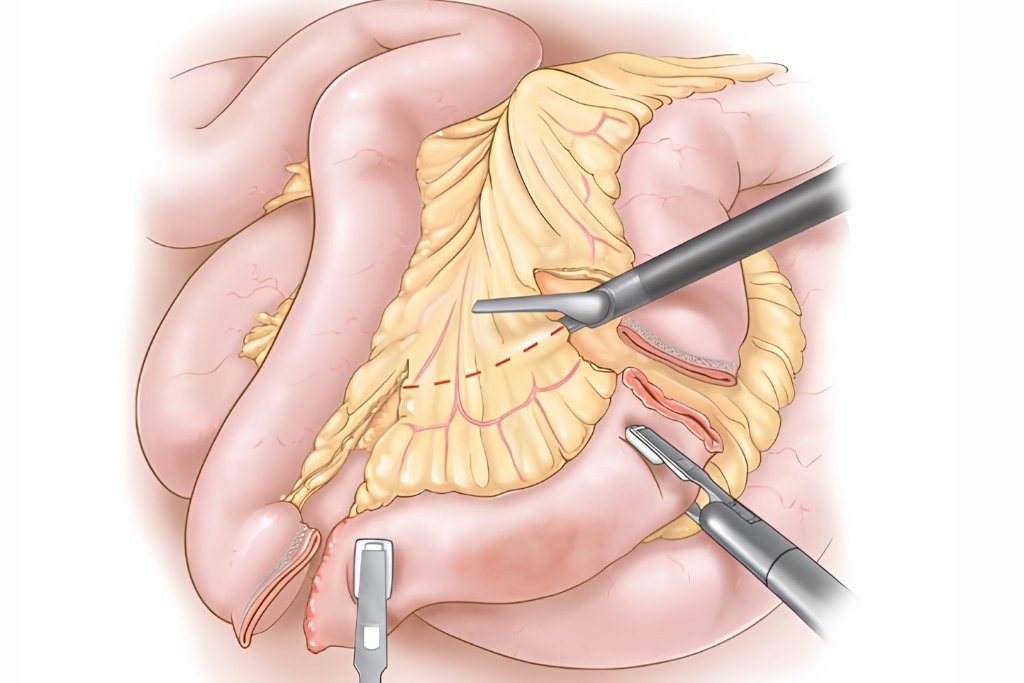
Laparoscopic Intestinal Surgery is a minimally invasive approach used to treat selected conditions affecting the small intestine or large intestine. Depending on the disease, surgery may involve removing a diseased section of bowel, releasing an obstruction, repairing an intestinal problem or treating a growth or tumour.
The procedure is performed through small abdominal incisions using a camera and specialised surgical instruments. When a section of intestine needs to be removed, the affected bowel is divided and the healthy ends may be joined together, a process known as anastomosis. The exact operation depends on the location and cause of the intestinal problem.
When Is Laparoscopic Intestinal Surgery Considered?
Laparoscopic Intestinal Surgery may be considered when an intestinal condition requires an operation and a minimally invasive approach is appropriate based on the disease and patient’s overall condition.
01. Bowel Obstruction
A blockage prevents normal movement of food, fluid or intestinal contents through the bowel.
02. Diverticular Disease
Repeated complications or significant disease affecting the bowel may require surgical treatment.
03. Bowel Perforation
A hole or severe damage to the intestinal wall requires urgent surgical management.
04. Intestinal Tumours
A benign or malignant growth requires removal of a section of affected intestine.
05. Inflammatory Conditions
Certain intestinal conditions may require removal of severely affected or damaged bowel.
06. Recurrent Problems
Repeated intestinal complications continue despite appropriate non-surgical treatment.
Before surgery, assessment may include blood tests, ultrasound, CT imaging, colonoscopy or other investigations depending on the suspected condition. Previous abdominal operations, adhesions, nutritional status and the extent of intestinal disease are also considered.
How Is Laparoscopic Intestinal Surgery Performed?
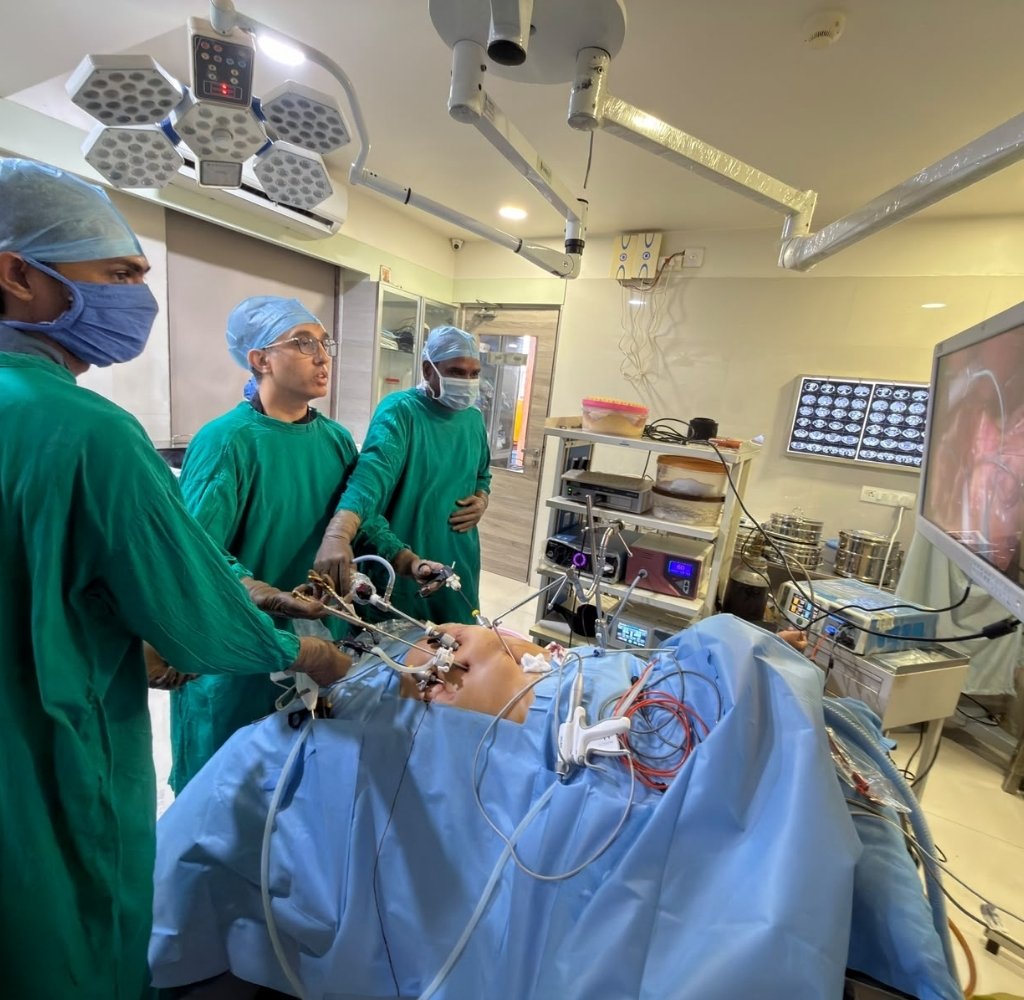
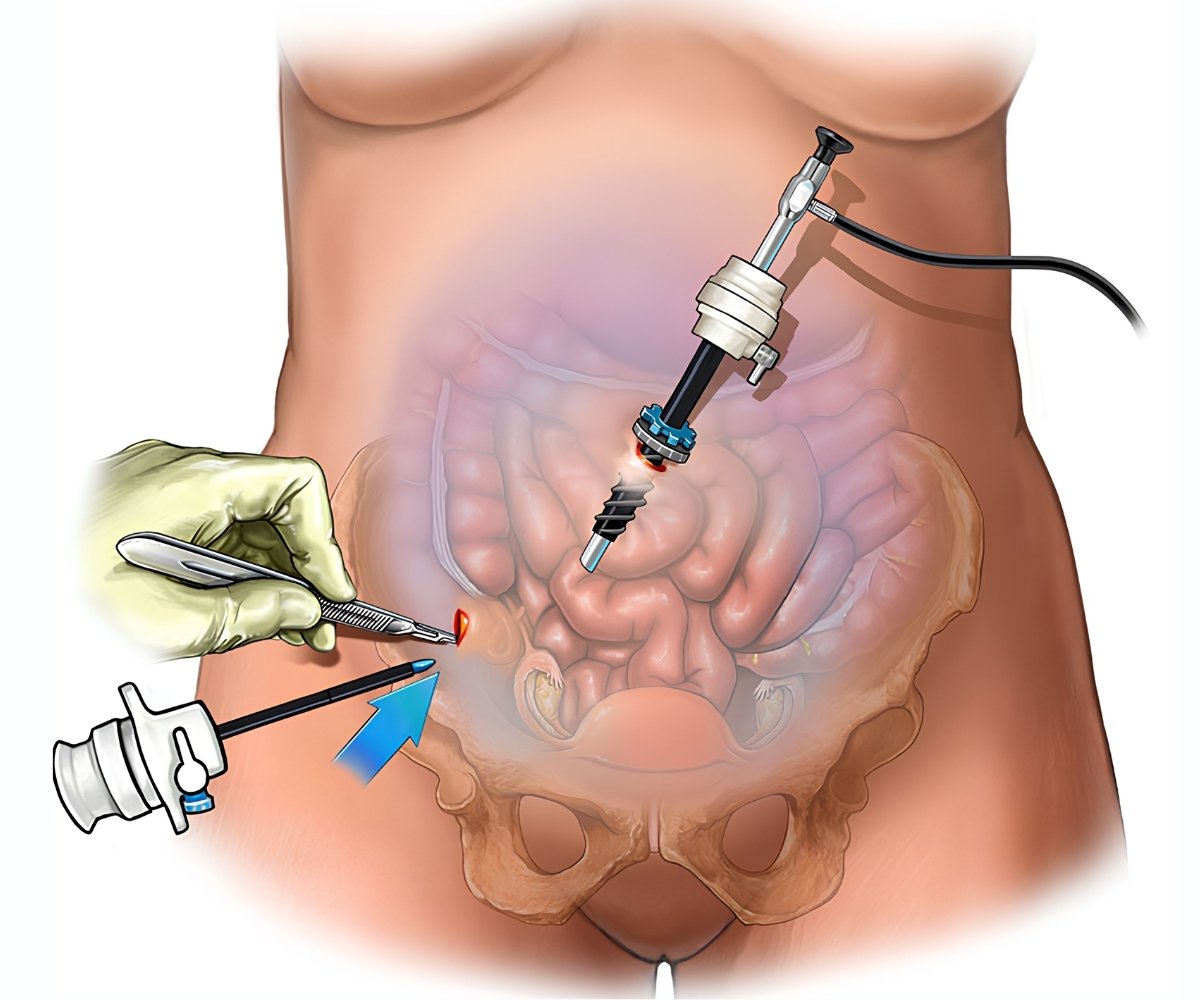
Laparoscopic Intestinal Surgery is performed under general anaesthesia through several small abdominal incisions. A camera provides a magnified view of the abdominal cavity while specialised instruments are used to examine and operate on the affected section of intestine. The surgeon identifies the diseased bowel, carefully separates it from surrounding tissues and controls the blood vessels supplying the affected segment. When bowel removal is required, the diseased section is divided and removed through an appropriately sized incision. The healthy ends of the intestine may then be joined together to restore bowel continuity, or another form of reconstruction may be required depending on the condition. The surgical area is checked before the instruments are removed and the incisions are closed. In emergency situations, extensive disease, severe inflammation, dense adhesions or unexpected findings may make open surgery safer or more appropriate.
Benefits of Laparoscopic Intestinal Surgery
The suitability of laparoscopic surgery depends on the disease, extent of intestinal involvement, previous abdominal surgery, adhesions and the patient’s overall condition. When appropriate for the condition, a laparoscopic approach allows intestinal surgery to be performed through smaller abdominal incisions.
01. Smaller Incisions
Uses several small openings rather than one large abdominal incision.
02. Magnified Visualisation
The camera provides a detailed view of the intestine and surrounding abdominal structures.
03. Controlled Dissection
Specialised instruments allow careful handling of bowel and surrounding tissues.
04. Less Abdominal Wall Trauma
Smaller access points can reduce disruption to the abdominal wall.
Laparoscopic Intestinal Surgery Recovery Time
Recovery after Laparoscopic Intestinal Surgery varies according to the type of bowel procedure, the underlying condition and whether the surgery was planned or performed urgently.
First 24 Hours
Monitoring begins with early movement and gradual introduction of fluids as advised.
First Few Days
Walking increases while bowel function and abdominal comfort are monitored.
First Week
Food is introduced progressively as bowel function returns and digestion is tolerated.
Following Weeks
Energy levels and daily activities generally improve gradually during healing.
Returning to Exercise
Heavy lifting and strenuous exercise are resumed only after appropriate surgical review.
Follow-Up
Follow-up assesses wound healing, bowel function, nutrition and recovery.
FAQs About Laparoscopic Intestinal Surgery
What conditions can be treated with Laparoscopic Intestinal Surgery?
It may be used for selected cases of bowel obstruction, intestinal tumours, diverticular disease, inflammatory bowel conditions and other intestinal problems requiring surgical treatment.
How long does it take to recover after intestinal surgery?
Initial recovery takes place in the hospital over several days, while complete recovery continues over the following weeks. The timeline varies depending on the type and extent of bowel surgery and individual healing.
Will my bowel movements change after intestinal surgery?
Temporary changes in bowel frequency, consistency, gas or appetite can occur while the intestine adapts. The effect depends on which part of the bowel was operated on and how much intestine was removed.
Does intestinal surgery always require removal of part of the bowel?
No. The procedure depends on the underlying condition. Some operations involve releasing an obstruction or repairing the intestine, while others require removal of a diseased section and reconnection of the healthy bowel.
Can laparoscopic intestinal surgery be performed for intestinal cancer?
Yes, selected intestinal cancers can be treated laparoscopically when the location, stage and patient’s condition are suitable. The extent of bowel removal follows the requirements of the disease and cancer surgery principles.
Is laparoscopic surgery possible after previous abdominal operations?
It may be possible in selected patients. Previous surgery can cause internal adhesions, so the decision depends on the number and type of previous operations, the extent of adhesions and the complexity of the current intestinal condition.
Plan the Right Surgical Approach for Your Intestinal Condition
Book a consultation with Dr. Krunal K. Solanki at Sunshine Surgical Hospital, Ahmedabad.