
Achalasia Surgery in Ahmedabad
What Is Achalasia Surgery?
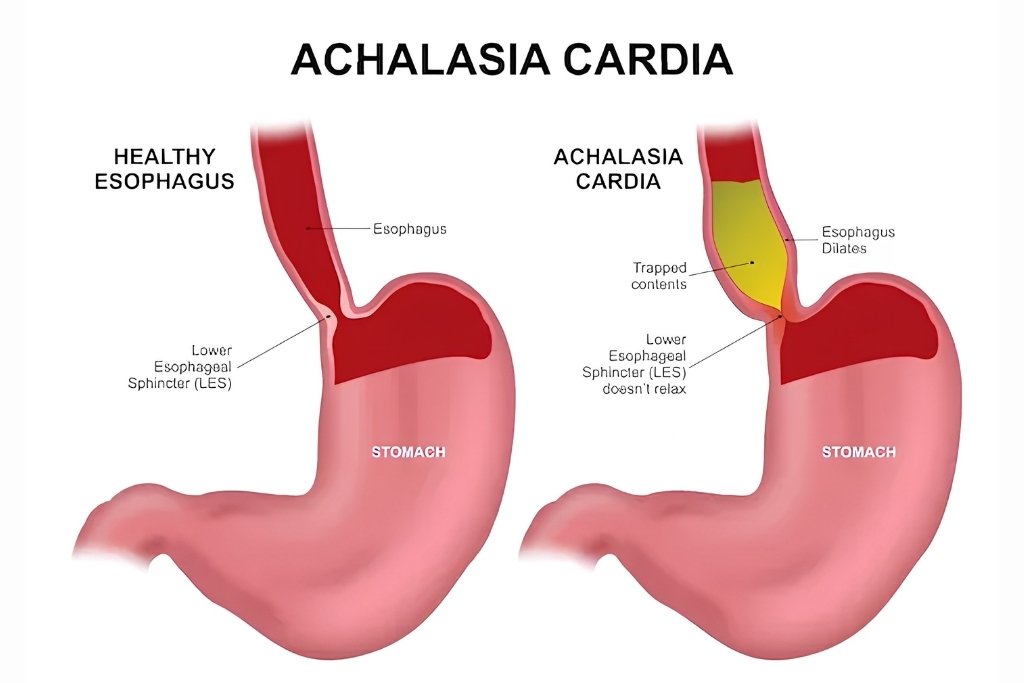
Achalasia is a rare disorder in which the lower oesophageal sphincter does not relax properly during swallowing, while the normal movement of the oesophagus is also reduced. Food and liquids can therefore remain in the oesophagus instead of passing normally into the stomach, causing difficulty swallowing, regurgitation and chest discomfort.
Achalasia Surgery is performed to reduce the tightness of the lower oesophageal sphincter and allow food to pass more easily into the stomach. The most established surgical treatment is Heller myotomy, usually performed laparoscopically. During the procedure, the muscle fibres around the lower oesophagus are divided while the inner lining is preserved. A partial fundoplication may also be performed to reduce the risk of reflux after myotomy.
When Is Achalasia Surgery Considered?
Achalasia Surgery may be considered when the condition is confirmed through appropriate testing and symptoms are significantly affecting swallowing, eating or daily activities.
01. Progressive Dysphagia
Difficulty swallowing liquids and solid foods becomes frequent or increasingly troublesome.
02. Chest Discomfort
Achalasia-related pressure or pain persists and affects daily activities.
03. Weight Loss
Difficulty eating adequately leads to unintended weight loss or nutritional concerns.
04. Food Regurgitation
Undigested food or fluid repeatedly comes back into the mouth, particularly after meals or while lying down.
05. Dilated Oesophagus
Investigations show significant enlargement or functional changes in the oesophagus.
06. Failed Prior Treatment
Symptoms persist or recur after previous non-surgical treatment such as pneumatic dilation or other interventions.
Assessment may include upper GI endoscopy, barium swallow and oesophageal manometry. These investigations help confirm achalasia, assess its severity and determine the most appropriate treatment approach.
How Is Achalasia Surgery Performed?
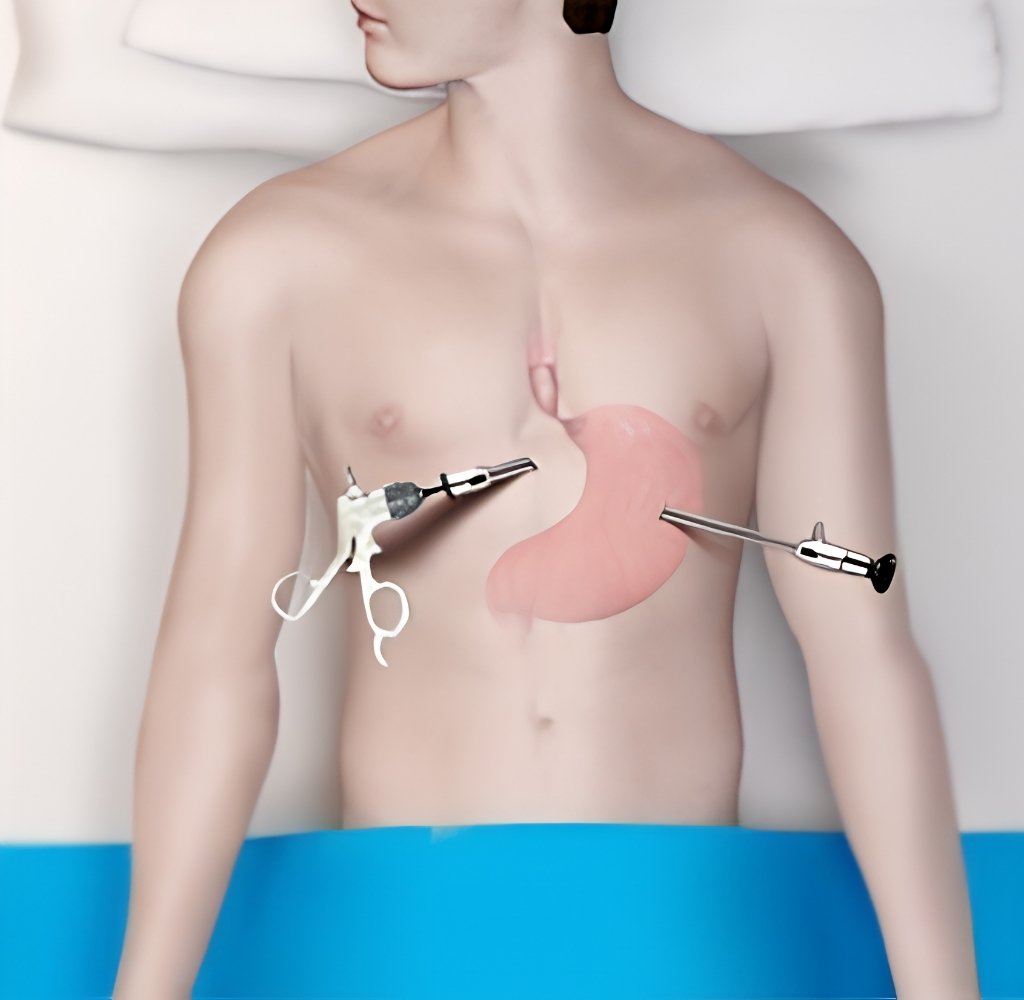
Achalasia Surgery is generally performed laparoscopically under general anaesthesia through small abdominal incisions. A camera and specialised instruments are used to access the lower oesophagus and upper stomach. The surgeon carefully exposes the muscular layer around the lower oesophagus and divides the tight muscle fibres extending towards the stomach, while preserving the inner lining. This Heller myotomy reduces resistance at the lower oesophageal sphincter and allows swallowed food and liquids to pass more easily into the stomach. A partial fundoplication may then be performed to provide an anti-reflux barrier without creating excessive resistance to swallowing. The surgical area is checked before the instruments are removed and the small incisions are closed.
Benefits of Achalasia Surgery
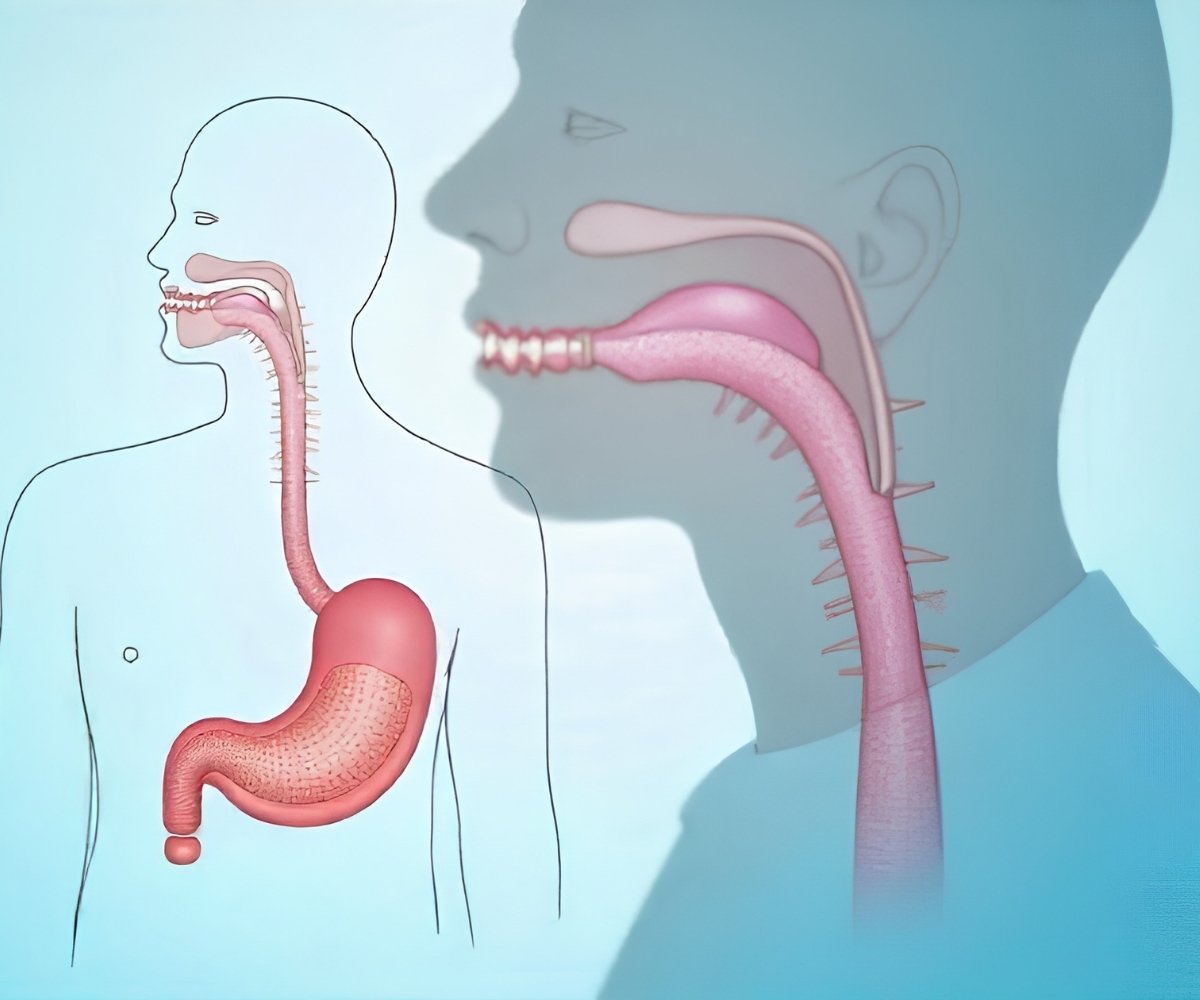
The outcome depends on the type and severity of achalasia, the condition of the oesophagus and the treatment method used. The primary aim of Achalasia Surgery is to reduce the resistance at the lower oesophageal sphincter and improve the passage of food into the stomach.
01. Easier Swallowing
Reduces the muscular obstruction that makes swallowing difficult.
02. Better Food Passage
Helps food and liquids move more effectively from the oesophagus into the stomach.
03. Reduced Regurgitation
Can decrease the accumulation and backflow of food or fluid from the oesophagus.
04. Symptom Relief
May improve chest discomfort and other symptoms associated with oesophageal obstruction.
Heller Myotomy Recovery Time
Some patients experience temporary swallowing changes, bloating or reflux symptoms while the oesophagus adapts after surgery. The exact Heller Myotomy Recovery Time varies according to the severity of achalasia, the surgical approach and individual healing. Recovery after Heller myotomy is usually progressive, with swallowing and diet advancing gradually after the procedure.
First 24 Hours
Monitoring is performed, with fluids and oral intake introduced according to the surgical team's assessment.
First Few Days
Walking begins early while abdominal discomfort and other immediate effects of surgery settle.
First Week
A liquid or soft diet may be continued before foods are gradually introduced.
Following Weeks
Eating patterns are progressively expanded according to swallowing comfort and recovery.
Returning to Activity
Light daily activities can usually increase gradually, while strenuous exercise is resumed after medical review.
Follow-Up
Follow-up helps assess swallowing, reflux symptoms, nutrition and recovery after myotomy.
FAQs About Achalasia Surgery
Is Heller myotomy the same as Achalasia Surgery?
Heller myotomy is the most established surgical procedure used to treat achalasia. It involves dividing the tight muscle at the lower oesophageal sphincter to improve the passage of food into the stomach.
Will I be able to eat normally after Heller myotomy?
Diet is usually progressed gradually after surgery. Most patients can return towards a more normal diet as swallowing improves, although the timing and dietary progression vary between individuals.
Why is fundoplication sometimes performed with Heller myotomy?
Dividing the lower oesophageal muscle can increase the risk of reflux. A partial fundoplication may therefore be added to provide an anti-reflux barrier while allowing easier passage of food.
How is achalasia diagnosed before surgery?
Diagnosis commonly involves upper GI endoscopy, barium swallow and oesophageal manometry. These tests help identify the characteristic changes in oesophageal movement and lower sphincter relaxation.
Can achalasia come back after Heller myotomy?
Symptoms can recur in some patients after treatment. Follow-up is important because recurrent symptoms may result from incomplete muscle division, changes in the oesophagus, reflux or other factors.
How long does Heller myotomy take to recover from?
Initial recovery occurs over several days, while swallowing and diet may take longer to normalise. The overall Heller Myotomy Recovery Time depends on the procedure, severity of achalasia and individual healing.
Get Your Achalasia Evaluated in Ahmedabad
Book a consultation with Dr. Krunal K. Solanki at Sunshine Surgical Hospital, Ahmedabad.