
Anti-Reflux Surgery in Ahmedabad
What Is Anti-Reflux Surgery?
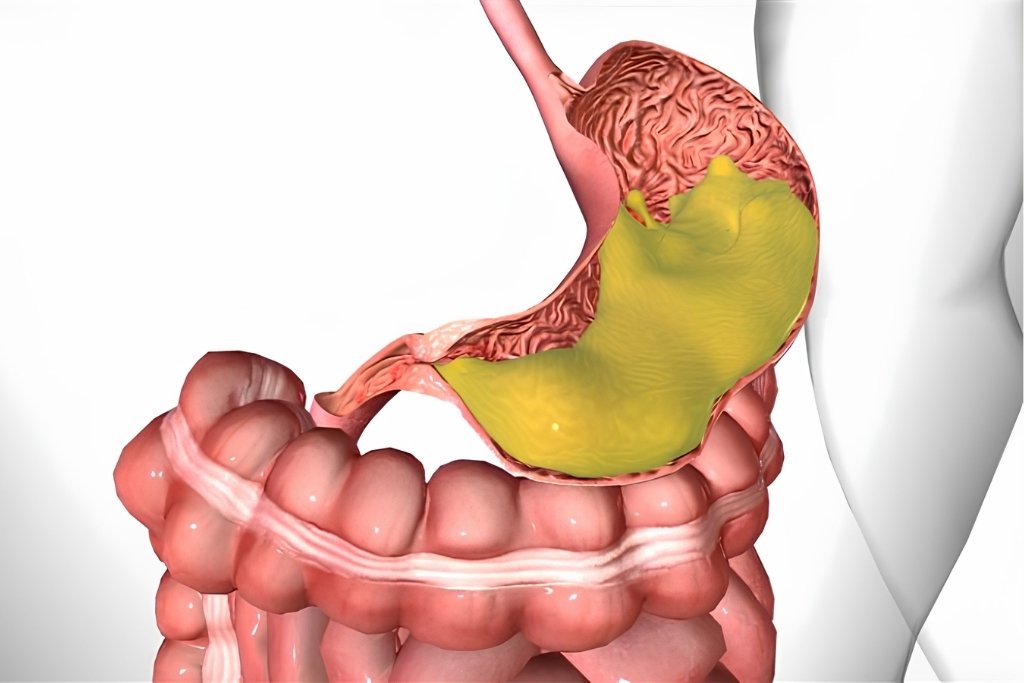
Anti-reflux surgery is performed to control gastroesophageal reflux disease (GERD) when stomach acid and contents repeatedly flow back into the oesophagus. The surgery strengthens the barrier between the stomach and oesophagus, helping reduce reflux and related symptoms such as heartburn, regurgitation, chest discomfort and disturbed sleep.
The most commonly performed approach is laparoscopic fundoplication, in which the upper part of the stomach is wrapped around the lower oesophagus to reinforce the natural anti-reflux mechanism. If a hiatus hernia is present, it may be repaired during the same procedure. The exact surgical plan depends on reflux severity, oesophageal function, hiatus anatomy and findings from investigations.
When Is Anti-Reflux Surgery Considered?
Anti-Reflux Surgery may be considered when GERD continues to affect daily life despite appropriate medical treatment or when investigations show a structural or functional problem that can be addressed surgically.
01. Persistent Reflux
Heartburn or regurgitation continues despite appropriate medicines and lifestyle measures.
02. Hiatus Hernia
A significant hiatus hernia contributes to reflux and requires anatomical correction.
03. Oesophageal Changes
Chronic reflux has caused changes that require closer management and specialist assessment.

04. Medication Dependence
Long-term medication is required to control symptoms and surgery is being considered as an alternative.
05. Poor Symptom Control
Symptoms remain troublesome or recur when medication is reduced or stopped.
06. Severe Regurgitation
Frequent backflow of stomach contents remains troublesome despite medical treatment.
Before surgery, evaluation may include upper GI endoscopy, reflux monitoring, oesophageal manometry and imaging when required. These tests help confirm that reflux is responsible for the symptoms and determine whether surgery is appropriate.
How Is Anti-Reflux Surgery Performed?
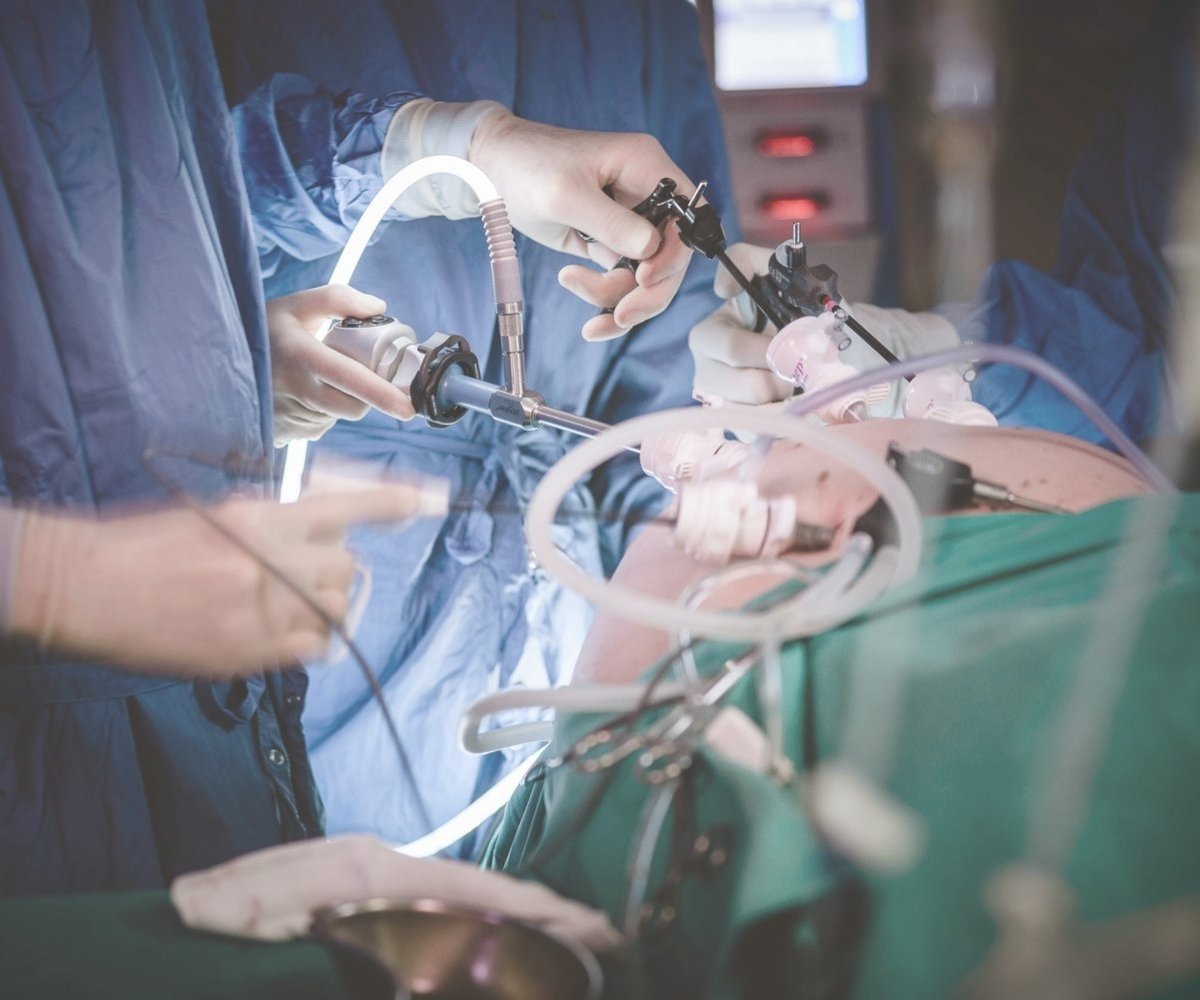
Anti-Reflux Surgery is usually performed under general anaesthesia through small abdominal incisions. A laparoscopic camera and specialised instruments are introduced to access the upper abdomen. The surgeon identifies the lower oesophagus and stomach, carefully separates the tissues around the hiatus and brings the stomach back into its normal abdominal position when a hiatus hernia is present. The enlarged opening in the diaphragm may then be narrowed with sutures. The upper part of the stomach is wrapped around the lower oesophagus to create a stronger anti-reflux valve, with the type and extent of fundoplication selected according to the patient’s anatomy and oesophageal function. The area is checked before the instruments are removed and the small incisions are closed.
Benefits of Anti-Reflux Surgery
The expected benefit depends on confirming reflux as the cause of symptoms, assessing oesophageal function and selecting the appropriate surgical technique. Anti-Reflux Surgery focuses on correcting the underlying mechanical cause of reflux rather than only reducing acid production. Depending on the patient’s condition, potential benefits include:
01. Improved Reflux Control
Helps reduce repeated movement of stomach contents into the oesophagus.
02. Less Heartburn
Can reduce persistent burning discomfort associated with GERD.
03. Reduced Regurgitation
Strengthening the anti-reflux barrier may limit backflow into the throat or mouth.
04. Hiatus Hernia Repair
A coexisting hiatus hernia can be corrected during the same operation when required.
Anti-Reflux Surgery Recovery Time
Recovery after Anti-Reflux Surgery is generally gradual, with activity and diet progressing as the stomach and oesophagus adapt to the repair.
First 24 Hours
Monitoring, early movement and gradual introduction of fluids as advised.
First Few Days
Walking increases while abdominal discomfort and bloating gradually settle.
First Week
Most patients continue with soft or modified foods in smaller portions.
Following Weeks
Diet is gradually expanded according to swallowing comfort and recovery.
Returning to Exercise
Strenuous activity and heavy lifting are resumed only after surgical review.
Follow-Up
Follow-up helps assess swallowing, reflux control, diet tolerance and overall recovery.
FAQs About Anti-Reflux Surgery
When should I consider Anti-Reflux Surgery?
It may be considered when confirmed GERD remains troublesome despite appropriate medical treatment, when significant regurgitation persists, or when a hiatus hernia or other correctable anatomical problem is contributing to reflux.
Can a hiatus hernia be repaired during Anti-Reflux Surgery?
Yes. When a hiatus hernia is contributing to reflux, the enlarged opening in the diaphragm can often be repaired during the same operation as the anti-reflux procedure.
Can GERD return after surgery?
Reflux symptoms can recur in some patients over time. The possibility depends on factors such as the original condition, surgical repair, tissue healing, weight changes and the presence of recurrent hiatus hernia.
Is Anti-Reflux Surgery the same as fundoplication?
Fundoplication is one of the most commonly used forms of anti-reflux surgery. It involves wrapping part of the upper stomach around the lower oesophagus to strengthen the anti-reflux barrier.
Will I still need GERD medicines after surgery?
Some patients can reduce or stop acid-suppressing medicines after successful surgery, while others may still need medication. This depends on reflux control, symptoms and individual findings after surgery.
How long does it take to recover from Anti-Reflux Surgery?
Initial recovery usually takes several days, while diet and activity are gradually progressed over the following weeks. Complete recovery varies depending on the procedure, overall health and individual healing.
Find Out Whether Anti-Reflux Surgery Is Right for Your GERD
Book a consultation with Dr. Krunal K. Solanki at Sunshine Surgical Hospital, Ahmedabad.